


نظرة عامة على المشروع
في أواخر يوليو 2026, تواصل معنا وكيل مشتريات صيني بالنيابة عن مصنع كبير لتجهيز الجوز في تنزانيا. المصنع يعمل منذ ذلك الحين 2021 وتقوم بالفعل بتشغيل معدات الكاجو الأولية مثل آلات القصف والتحميص.
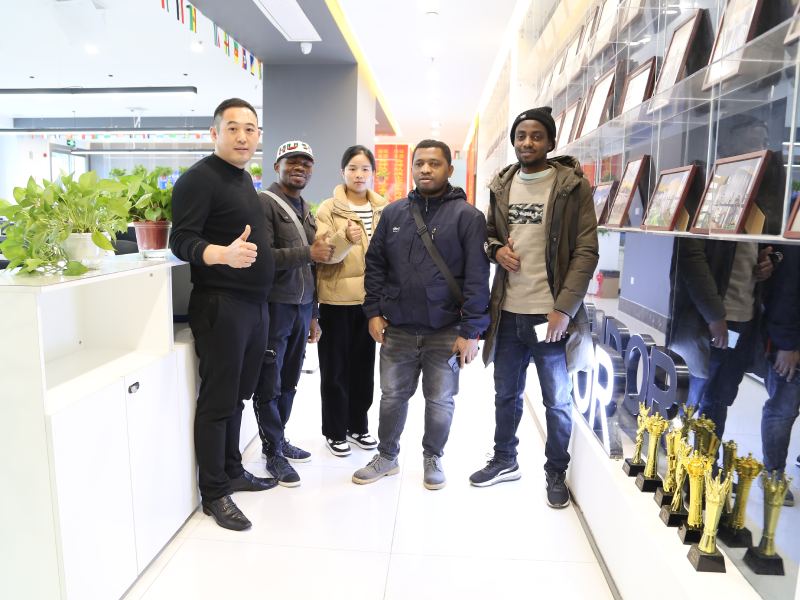
زيارة من قبل عميل تنزاني
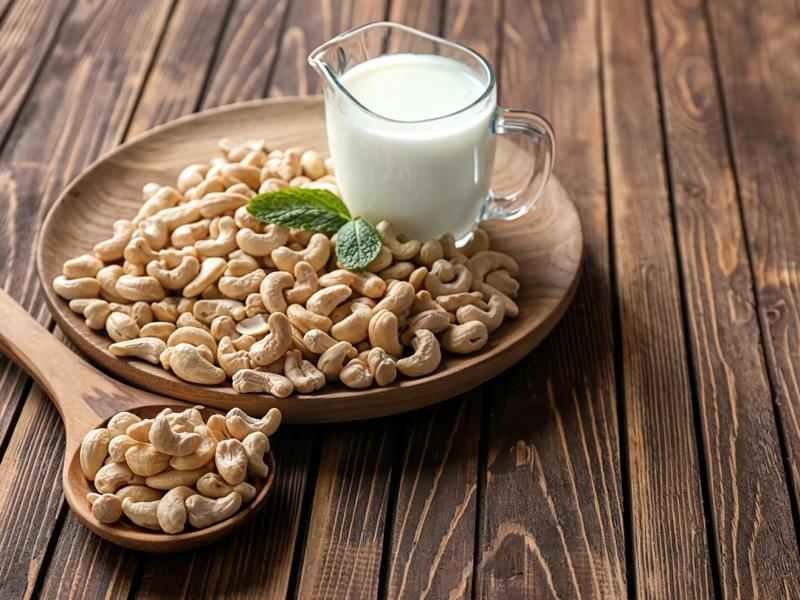
لقد كانت الأعمال ثابتة, لكن السوق يتغير. العملاء يريدون مشروبات صحية. لذلك أراد العميل تجاوز الكاجو المحمص وزبدة الكاجو والدخول في المشروبات النباتية, حليب الكاجو على وجه التحديد. لقد كانوا بحاجة إلى خط متكامل يمكنه استيعاب الكاجو المحمص, تحويلها إلى مشروب سائل, وملء النتيجة في علب الألومنيوم. كانت مهمتنا هي تصميم شيء من شأنه أن ينضم إلى عملية المنبع الحالية, ضرب معايير النظافة الصارمة, وتشغيلها بكفاءة.
متطلبات العملاء
- القدرة المستهدفة
يحتاج العميل إلى قدرة معالجة تبلغ تقريبًا 300 لتر في الساعة (300 لتر/ساعة), مصممة خصيصًا لحليب الكاجو منخفض اللزوجة.
- معايير النظافة
لقد طلب العميل تحديدًا الحصول على CIP (تنظيف في المكان) نظام. لقد كانوا موجودين لفترة كافية ليعرفوا أن التنظيف الآلي لخطوط الأنابيب ليس ترفًا في معالجة الألبان والألبان النباتية. إنها الطريقة التي تحافظ بها على جودة المنتج وتحدد وقت التشغيل حيث يجب أن تكون.
- تنسيق التغليف
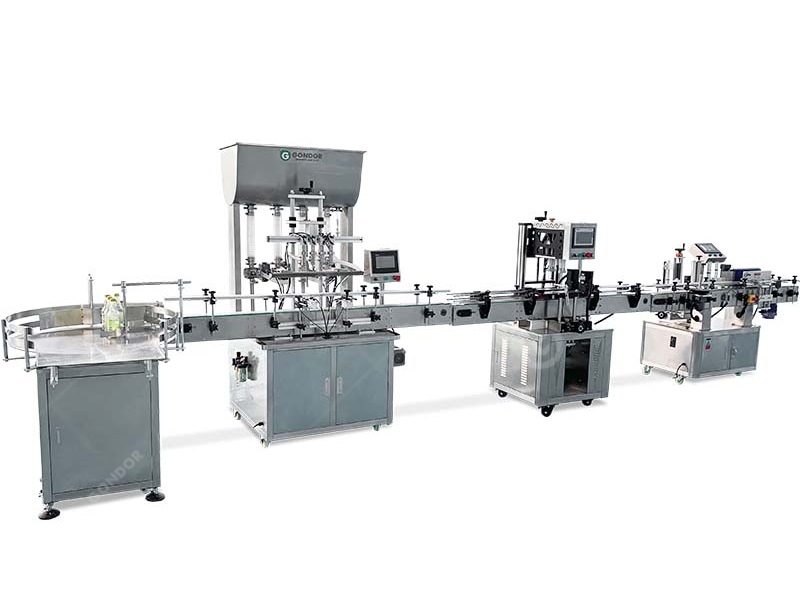
للتغليف, كان يجب أن يذهب المنتج النهائي إلى علب الألمنيوم المطبوعة بحجم 500 مل و 250 مل, وهو ما يعني خط تعبئة وإغلاق عالي الدقة.
- تكامل العمليات
أراد المصنع إنشاء مطحنة غروانية مزودة بأنابيب إعادة تدوير الجزء الثابت والدوار لتشغيل عملية طحن مغلقة الحلقة. معالجة يدوية أقل, أقل خطر التلوث البيولوجي.
- تخطيط النظام الكامل
وكانوا بحاجة إلى الحزمة الكاملة: طحن, مزج, التجانس, تعقيم, وملء, تم وضعها جميعًا كنظام واحد متكامل.
التحديات التي تم تحديدها

- التكامل مع سير العمل الحالي
كان على خط السائل الجديد أن يستقبل المواد الخام من المحامص الجافة الموجودة لديه دون خلق عنق الزجاجة عند نقطة التسليم.
- معضلة تخطيط المعدات
كان العميل منزعجًا من تخطيط المعدات. نظام متكامل الكل في واحد, أو خزانات مستقلة منفصلة بسعة 300 لتر/ساعة? كلاهما لديه مقايضات, ولم يقرروا.
- تحدي توافق خط التعبئة
إن تعبئة العلبتين سعة 250 مل و500 مل على نفس الجهاز أصعب مما يبدو. إن أقطار العلبتين وارتفاعهما مختلفان تمامًا, والتبديل بينهما على الخط الواحد يحتاج إلى آليات تعديل متخصصة. وقد أضاف ذلك تعقيدًا تقنيًا حقيقيًا إلى التكوين.
- تعقيدات المشتريات عبر الحدود
ثم كانت هناك الصداع العابر للحدود: تقلبات أسعار الصرف, قنوات الدفع, وحساب FOB مقابل CIF لأحمال الحاويات الكاملة. كل المخاوف المشروعة.
توصيتنا الفنية
لقد اقترحنا خط معالجة وتعليب بطاقة 300 لتر/ساعة مصمم خصيصًا لحليب الكاجو. بعض التفاصيل تستحق الدعوة.
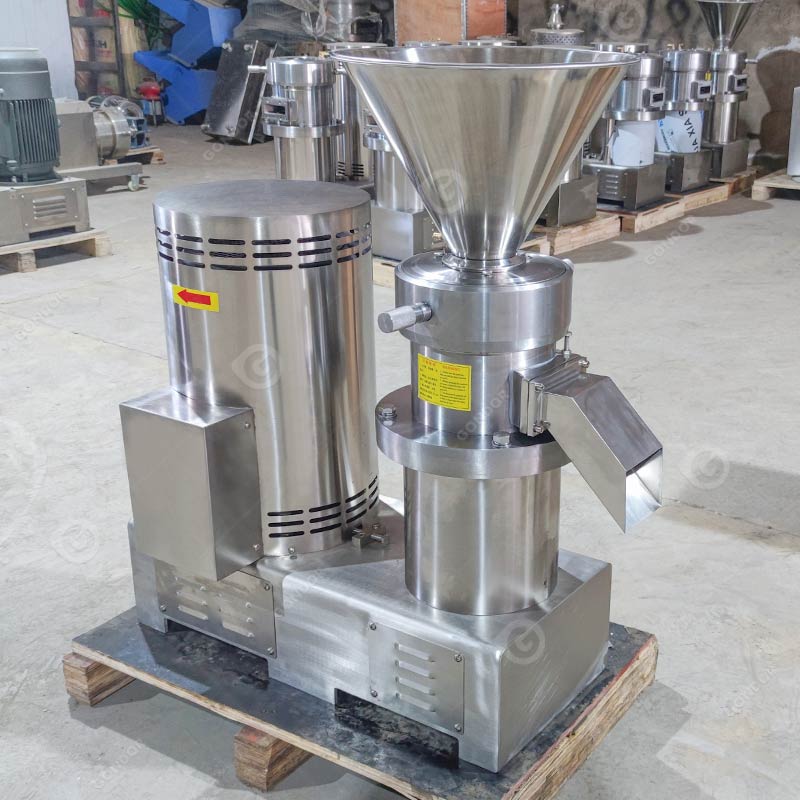
مطحنة الغروانية
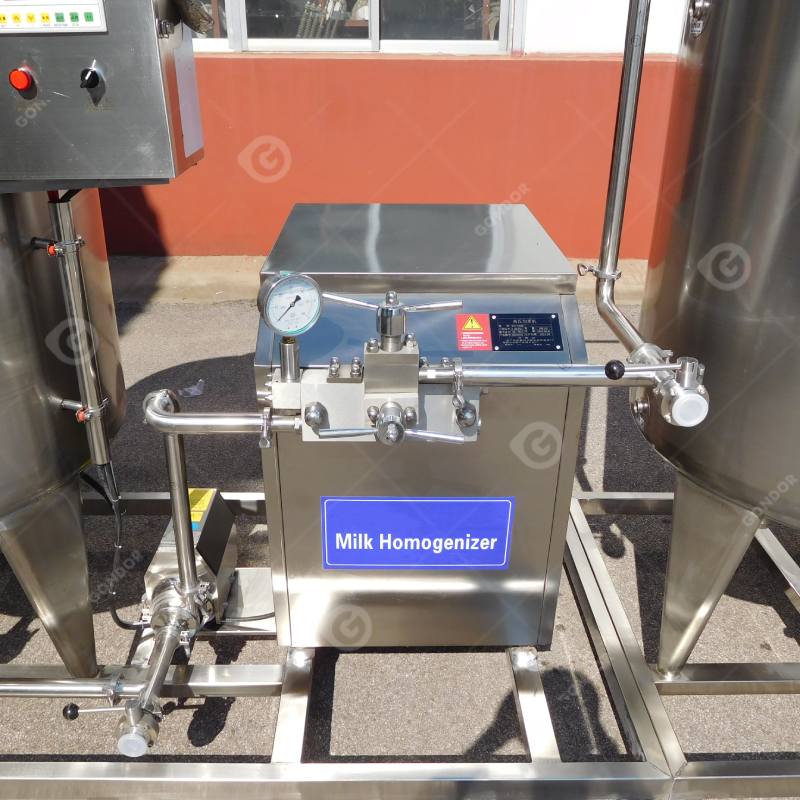
الخالط
لماذا يطابق هذا الحل العميل
- الاستفادة من القدرات الموجودة
العميل كان لديه بالفعل المواد الخام, القدرة على المعالجة المسبقة. ما لم يكن لديهم هو الجانب السائل. الحل الذي نقدمه هو في الأساس وحدة التوصيل والتشغيل التي تدخل في سير العمل الحالي, حتى يتمكنوا من دخول سوق المشروبات النباتية دون إعادة البناء من الصفر.
- سهولة الصيانة والتشغيل
الصيانة أبسط مما تبدو. الفنيون لديهم يعرفون الآلات بالفعل. التصميم المعياري يبقي الأمور واضحة, ويتولى نظام التنظيف المكاني (CIP) أعمال التنظيف التي قد تؤدي إلى استهلاك ساعات العمل. تصبح عملية التحول المتعدد واقعية.
- قابلية التوسع في المستقبل
لقد قمنا أيضًا بقياس حجم مطحنة الغروانية ونظام التنظيف المكاني (CIP) مع سعة الإرتفاع. إذا أراد العميل التوسع لاحقًا, يمكنهم إضافة المعدات بالتوازي بدلاً من إعادة الأنابيب للمصنع بأكمله.
- حل التعبئة والتغليف فعالة من حيث التكلفة
على العبوة, آلة تعبئة واحدة تتعامل مع حجمين من العلب يعني أن العميل لن يضطر إلى شراء خطي تعبئة منفصلين. وهذا يمثل توفيرًا كبيرًا لرأس المال وبصمة أصغر للمعدات.
ما يجب التفكير فيه قبل شراء خط الحليب النباتي
نحن نقضي الكثير من الوقت في النظر إلى اتجاهات السوق والمشاكل الفنية التي تصاحبها. هناك بعض الأشياء التي يجب على المشترين وزنها قبل الدخول إلى هذا المكان