

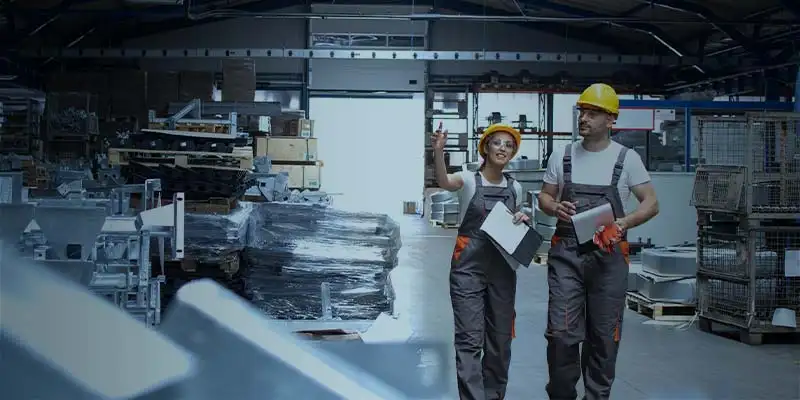
Sfondo del progetto
A client in India recently reached out about commercial ice-making equipment. Gestisce un'attività alberghiera e lavora come organizzatore di eventi nuziali, e ora sta gettando le basi per una nuova impresa: una fabbrica che produce alta qualità, ghiaccio artigianale trasparente per rifornire altri hotel e locali premium in tutta la regione.
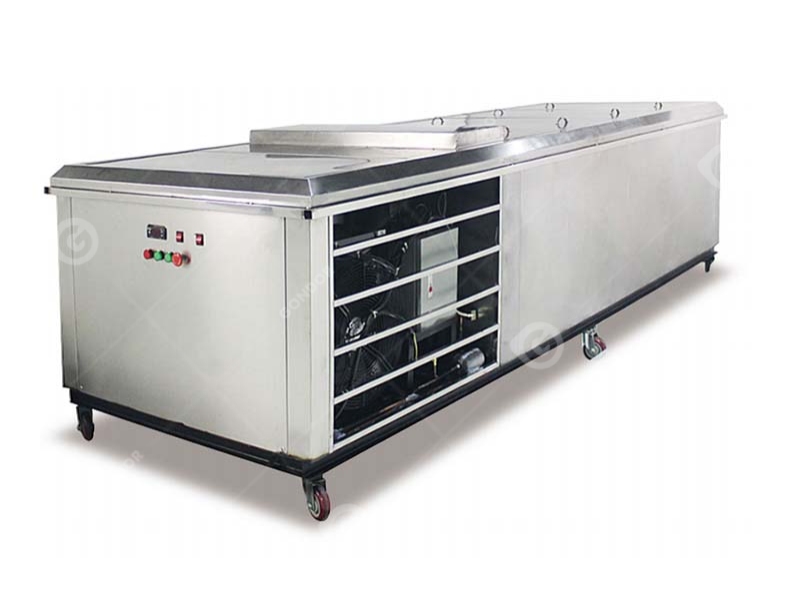
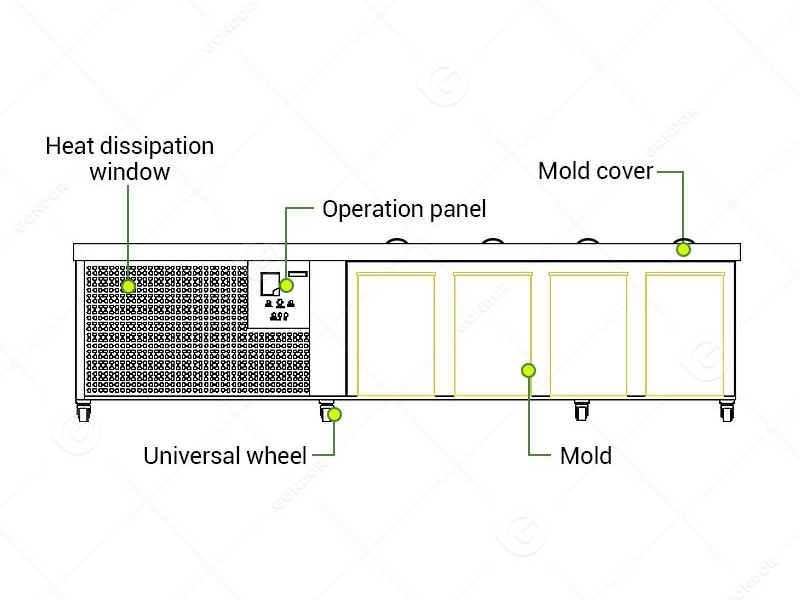
He came in asking specifically about transparent clear ice block making machines, with an ambitious target of 2,500 chilogrammi al giorno. He also needs equipment that can produce specialized artisan ice shapes for the upscale beverage and event market. This case is a good example of what happens when high-volume commercial production goals run into the realities of artisan food processing. The project is currently in the technical evaluation phase, with the client checking with his own staff to verify equipment feasibility.
Requisiti del cliente
Based on the initial consultations and the reference materials he shared, his procurement plan comes down to a few specific requirements:
- He wants to produce six distinct types of artisan ice: spears, giant cubes, sfere, cubi alti, pebbles, and standard cubes.
- Unlike a hotel buying an in-house ice maker, he is building a supplier business and needs equipment built for continuous, commercial-grade output.
- His preliminary production target was 2,500 kilograms of clear ice per day to meet anticipated market demand.
- The finished ice products have to match standard market sizes for premium beverage service.
- The equipment has to fit in a standard facility, so there’s a balance to strike between machinery size and output.
Sfide identificate
During the first technical discussion, we had to work through several misconceptions before we could settle on an equipment configuration:
- The client assumed a single industrial machine could directly produce all six artisan ice shapes using interchangeable custom molds.
- As an equipment manufacturer, we had to clarify that producing custom shapes directly via specialized molds gives you a very low output, around 15 kilograms per machine. That is nowhere near the 2,500 kg per day he had in mind.
- Different ice molds have different physical dimensions, but the internal dimensions of a refrigeration machine are fixed. So using one machine for several drastically different custom molds is mechanically impractical.
- To produce all six shapes directly through molding at the desired capacity, he would need to buy multiple separate machines. That means a lot of factory floor space and a much bigger initial investment.
- He is still in the early stages of business planning and does not have a fixed budget yet, so we had to be careful not to over-specify the solution.
La nostra raccomandazione tecnica
When a client wants both high capacity and a diverse range of final product shapes, a manufacturer has to look beyond the catalog and put together a full factory solution. We gave him two options.
Opzione 1: Direct multi-machine production
The first option was to buy multiple specialized machines, each dedicated to a single ice type. To hit the overall capacity target, that means installing several units side by side.
- The upside: you get exact shape replication straight from the mold, with no manual processing, and perfect uniformity.
- The downside: daily output per machine is very low, and housing multiple machines eats up floor space and energy.
Opzione 2: The block and cut strategy
Our primary recommendation, and the standard approach in the commercial artisan ice industry, is the second option. We suggested he buy a high-capacity clear ice block machine paired with an adjustable industrial ice cutter.
- The upside: one robust block machine produces the raw material (grande, completely transparent ice blocks). The operator then uses the cutter to slice those blocks into the specific shapes needed, whether spears, giant cubes, cubi alti, or anything else. The equipment is multi-purpose, space-efficient, and can meet large-scale demand. Cutter settings are adjustable, so the resulting cubes come out uniform in size and quality.
- The downside: it is more labor-intensive, since someone has to operate the cutting equipment.
We recommended Option 2, plus a separate dedicated machine for pebble ice, since pebble ice cannot be cut efficiently from large blocks.
Soluzione per l'attrezzatura
Based on the block and cut strategy, the proposed lineup for this factory project includes the following. Exact configurations are still under review by the client’s advisory team.
- Macchina: Commercial Clear Ice Block Machine and Industrial Ice Cutter System
- Capacity options discussed:
- High-output model: 3 tons of ice per batch on a 48-hour freezing cycle. Each resulting ice block weighs 10 kg.
- Entry-level model: the client is now re-evaluating and considering starting smaller, around 100 kg al giorno, to test the market.
- Materiale: LORO 304 food-grade stainless steel for all internal contact surfaces, for sanitary compliance and corrosion resistance.
- Automazione: semiautomatico. Refrigeration and freezing cycles are automated; offloading and feeding into the cutter are manual.
- Opzionale: a dedicated pebble ice machine to round out the full product portfolio.
- Suitable products: giant clear cubes, highball spears, cubi alti, standard cubes, and pebble ice.
- Estimated investment: a factory price for a high-output commercial machine in this category typically runs $70,000 A $80,000.
Punti salienti della comunicazione
The client first reached out through our website, asking for more details about our transparent clear ice block making machines. Our project manager replied and asked about his daily production goals and his previous experience with industrial equipment.
He explained that he was starting a new venture supplying ice to local hotels, and he sent over an image showing six intricate artisan ice shapes. He wanted one machine that could produce all of them at 2,500 kg al giorno. That was a chance for some honest technical education. To make sure he understood what industrial ice production actually looks like, our project manager went out to the factory floor and shot real-time video and photos of the machinery running.
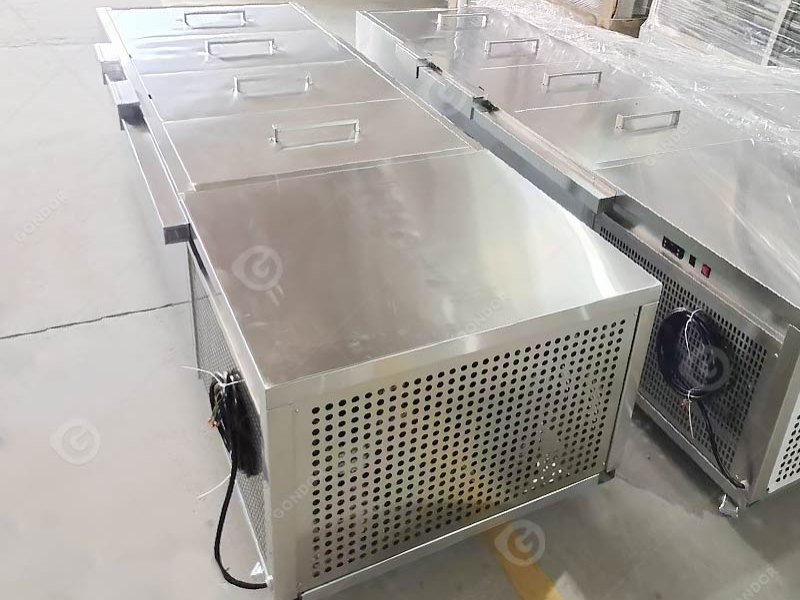
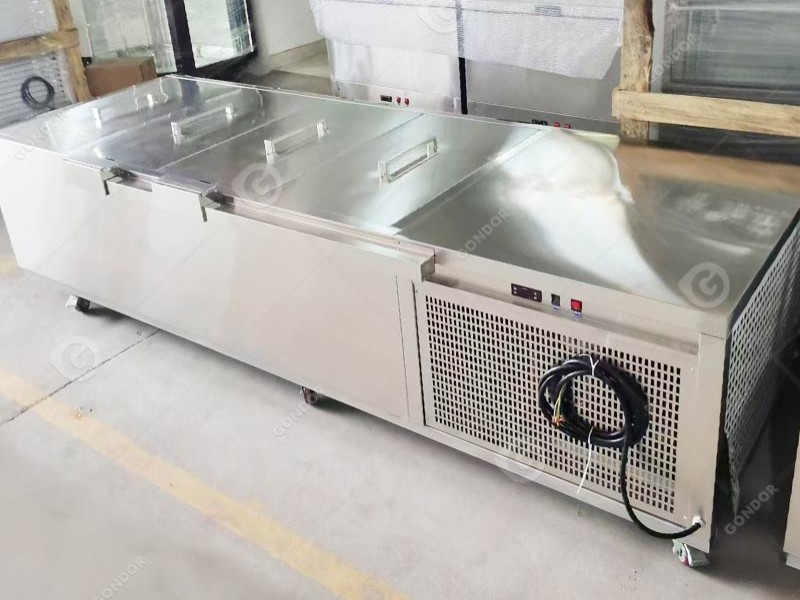
We walked him through the mechanical constraints: different shapes need differently sized molds, and you cannot just slot all of them into a single machine frame that is also running at high capacity. To help him plan his budget and factory space, we introduced the block and cut method. We sent him a video of an industrial ice cutter slicing a large clear block into uniform pieces. He watched it and agreed the multi-purpose approach made more sense.
Right now, he has asked us to pause on the final quotation. He is taking a week to talk with his factory advisor and technical staff to figure out exact feasibility, and to decide whether to start with a smaller 100 kg/day test setup or go straight to a larger commercial capacity. We are keeping the lines open and will configure the customized specs once his internal evaluation wraps up.
Perché questa soluzione soddisfa il cliente
The block and cut factory solution lines up well with a startup commercial ice supplier for a few concrete reasons.
- Product flexibility matters in hospitality supply. A hotel might want giant cubes for a whiskey tasting one week and tall spears for highball cocktails the next. With a block machine and an adjustable cutter, the client is not locked into a single shape. He can shift with what the market asks for, without buying new refrigeration equipment.
- The return on investment is much better. Buying six individual machines for specialized shapes would cost a fortune. Consolidating refrigeration into one high-capacity block maker cuts the initial equipment cost, the maintenance overhead, and the electricity bill.
- Floor space in a new factory is expensive. A single block machine and a cutting station take up a fraction of the footprint of a multi-machine setup, which leaves room for future expansion or cold storage.
- High-end beverage programs demand 100% transparent ice. Commercial block machines use directional freezing and continuous water circulation to push air bubbles and impurities out of the ice as it forms, which gives the clarity his target customers expect.
Approfondimenti sul settore
What Should Buyers Consider Before Purchasing a Commercial Ice Machine?
When establishing a commercial ice supply business, buyers must evaluate more than just the initial price tag. The core considerations should always include the thermodynamic efficiency of the compressor, the availability of spare parts in the local market, and the total cost of ownership over a five-year period. Inoltre, understanding the difference between standard cloudy ice (caused by rapid freezing trapping air) and clear artisan ice (created via slow, directional freezing) is critical for matching equipment to market expectations.
Why the "Block and Cut" Method Dominates Artisan Ice Production
For commercial suppliers, flexibility is profitability. Direct-mold machines are excellent for fixed, high-volume production of a single item (like standard fast-food ice). Tuttavia, the premium artisan market demands variety. Slicing large, slow-frozen blocks allows a single production line to yield dozens of different SKUs. While it introduces labor costs for the cutting process, the reduction in machinery capital and factory space makes it the most viable economic model for artisanal suppliers.
Why Food-Grade Stainless Steel Matters
In any food processing machine, material composition dictates both lifespan and safety compliance. Industrial equipment constructed from SUS 304 or SUS 316 stainless steel resists the highly corrosive environment of continuous water exposure and extreme temperature fluctuations.
Conclusione
This consultation reflects how we work as an equipment manufacturer: we put operational reality and long-term viability ahead of making a quick sale. By looking at what the client actually needed and how he planned to make money, we steered him away from an impractical, expensive multi-machine setup and toward an efficient, industry-standard cutting solution.
The procurement process is still in the technical evaluation phase while he consults with his advisory team. But our quick response, the on-site factory video, and the straightforward technical advice have built a level of trust that should carry through to the next step. We are standing by to deliver a precise, customized quotation as soon as he locks down his initial capacity requirements.