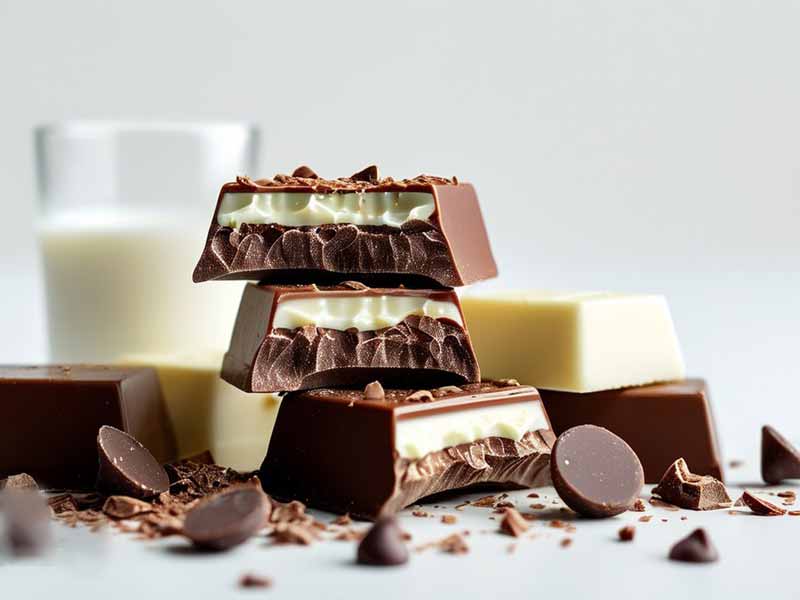
باعتبارها واحدة من الأنواع الأكثر شعبية, تظل شوكولاتة الحليب جاذبيتها القوية بسبب قوامها الناعم, حلاوة دسم, وملف تعريف النكهة الغنية. لذلك, إن صنع شوكولاتة الحليب هي عملية تصبح تجربة ممتعة ومجزية مع الأساليب المناسبة وأدوات وآلات صنع الشوكولاتة المناسبة. سواء كنت مبتدئًا أو من عشاق الشوكولاتة المتمرسين, تحويل حبوب الكاكاو الخام إلى حريري, شوكولاتة الحليب الحلوة هي رحلة رائعة. هنا, سنأخذك خلال كل خطوة أساسية, بدءًا من حبوب الكاكاو وصولاً إلى المنتج النهائي, شوكولاتة الحليب التي لا تقاوم. على طول الطريق, سنوضح لك كيف يمكن للآلات المختلفة أن تجعل هذه العملية أكثر سلاسة, أسرع, وأكثر كفاءة, تساعدك في النهاية على صنع الشوكولاتة عالية الجودة.
عملية خطوة بخطوة لصنع شوكولاتة الحليب من حبوب الكاكاو:
خطوة 1: بدءا من حبوب الكاكاو - حصاد, التخمير, والتجفيف
- حصاد حبوب الكاكاو:
حبوب الكاكاو تأتي من شجرة الكاكاو, التي تنتج قرون الكاكاو. بمجرد جمع القرون, تم فتحها, سواء يدويًا أو بالآلات, لاستخراج الحبوب الثمينة الموجودة بداخلها.
- التخمير:
التخمير هو المكان الذي يبدأ فيه السحر, لأنه يطور ملامح النكهة المميزة لحبوب الكاكاو. على الرغم من أن هذا كان يتم تقليديًا في صناديق خشبية, يلجأ العديد من المنتجين التجاريين الآن إلى غرف التخمير. علاوة على ذلك, توفر هذه الآلات تحكمًا دقيقًا في درجة الحرارة والرطوبة, وهذا يمكن أن يضمن ظروف التخمير المثالية التي تؤدي إلى حبوب ذات نكهة رائعة.
- تجفيف:
بعد التخمير, تحتاج الفاصوليا إلى التجفيف بشكل صحيح باستخدام آلات التجفيف. ويمكن أن يقلل من الحاجة إلى العمل اليدوي, والتي يمكن أن توفر بيئة خاضعة للرقابة حيث تجف الحبوب بالتساوي عند درجة حرارة مثالية.
خطوة 2: تحميص - فتح النكهة الكاملة
- تحميص:
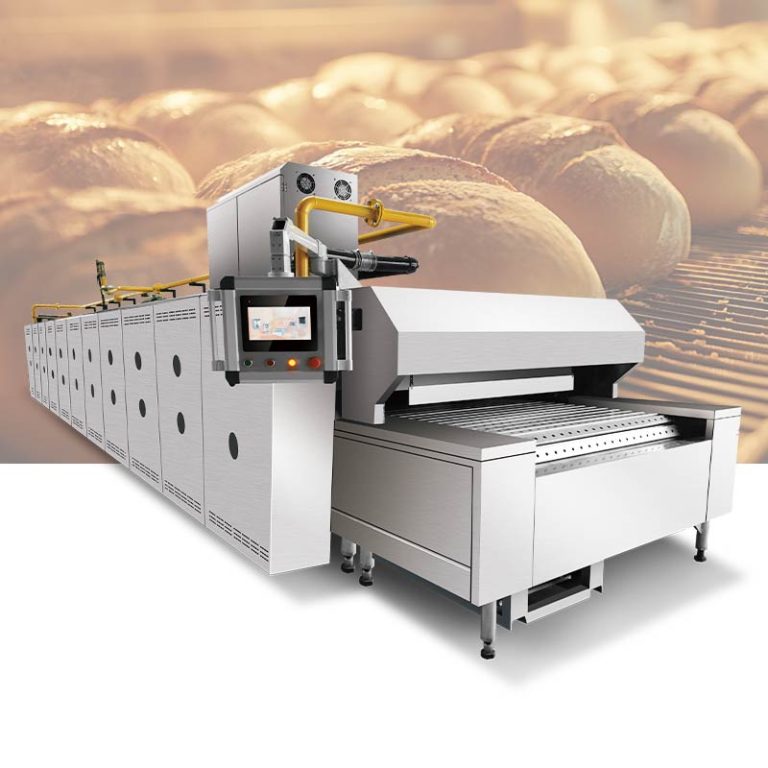
يمكن القول أن التحميص هو أحد أهم المراحل في صناعة الشوكولاتة, حيث تطلق حبوب الكاكاو غناها, النكهات العطرية. تستخدم معظم مصانع الشوكولاتة أفران التحميص, والتي تسمح بالتحكم الدقيق في درجة الحرارة ومدة التحميص.
- تبريد:
بمجرد تحميص الحبوب إلى الكمال, يحتاجون إلى التبريد. ويمكن لتدوير الهواء أو المراوح تبريد الحبوب بالتساوي وبسرعة. ثم يتم الحفاظ على الملمس, وتبقى النكهة الغنية سليمة.
خطوة 3: تكسير وإزالة القشرة - استخراج حبيبات الكاكاو
- تكسير:
هذه الخطوة تقسم الحبوب إلى قطع أصغر, مما يكشف عن حبيبات الكاكاو الثمينة بداخلها. غالبًا ما تستخدم العمليات التجارية كسارة حبوب الكاكاو أو كسارة الكاكاو, والتي تستخدم شفرات أو بكرات عالية السرعة لتكسير الحبوب.
- إزالة القشرة:
بعد التكسير, يجب إزالة القذائف. في المصانع الكبيرة, ويتم ذلك باستخدام آلات الغربلة, والتي تستخدم تيارات الهواء لفصل حبيبات الكاكاو عن القشور.
خطوة 4: طحن في كتلة الكاكاو - مؤسسة الشوكولاته
- طحن:
الطحن هو الخطوة التي تتحول فيها حبيبات الكاكاو إلى مادة ناعمة, كتلة مخملية. لتحقيق هذا, يعتمد العديد من صانعي الشوكولاتة التجارية على المطاحن, مثل المطاحن الحجرية أو المطاحن الأسطوانية. تقوم هذه الآلات بسحق الحبيبات وتحرير زبدة الكاكاو, وهذا يمكن أن يشكل سميكة, كتلة الكاكاو الغنية التي تعمل كأساس للشوكولاتة الخاصة بك.
- مزيد من الطحن:
للحصول على ملمس أكثر دقة, تستمر عملية الطحن لعدة ساعات. يتم إجراء هذا الطحن الممتد عادةً في آلات مصممة لتحسين الكتلة على مدى 3-4 مدة ساعة لإنتاج عجينة كاكاو ناعمة كالحرير, وهو مثالي لصنع الشوكولاتة عالية الجودة.
خطوة 5: خلط - صياغة وصفة الشوكولاتة المثالية
- إضافة السكر:
يضاف السكر إلى كتلة الكاكاو لخلق نكهة متوازنة. في الإنتاج التجاري, تقوم موزعات السكر بتوزيع السكر بالتساوي لتحقيق التكامل السلس دون التحبب.
- إضافة مسحوق الحليب:
يتم خلط مسحوق الحليب في عجينة الكاكاو. في المصانع, تستخدم خلاطات مسحوق الحليب للحصول على مزيج متساوي, ولكن في المنزل, يمكنك تحريكه يدويًا مع بعض الجهد.
- إضافة زبدة الكاكاو:
زبدة الكاكاو ضرورية للحصول على نعومة, نسيج شوكولاتة الحليب تذوب في فمك. تقوم الآلات التجارية بحقن كميات دقيقة من زبدة الكاكاو للتحكم في الملمس.
- خلط:
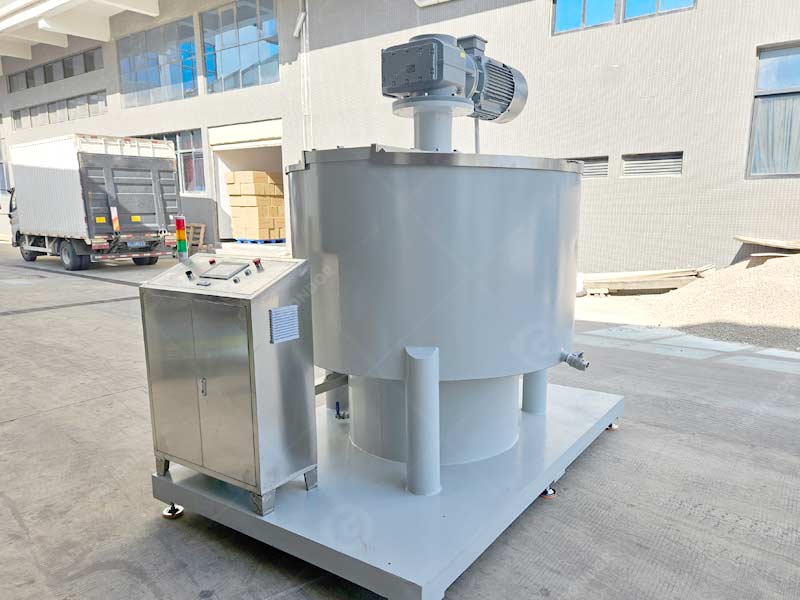
يتم خلط المكونات جيدًا معًا للحصول على مزيج سلس, معجون سميك. وهذا يضمن السكر, مسحوق الحليب, وتمزج زبدة الكاكاو بسلاسة مع كتلة الكاكاو.
خطوة 6: التكرير - تحقيق النعومة القصوى
- التكرير:
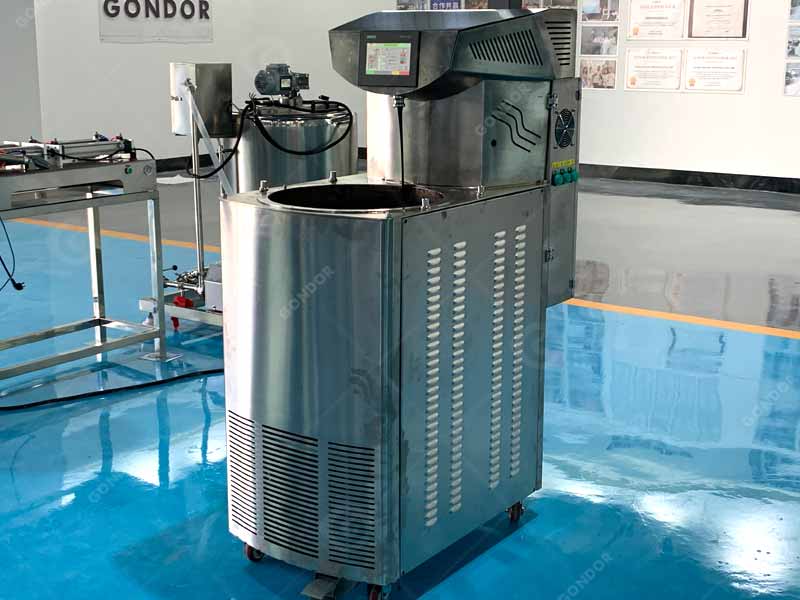
التكرير هو المفتاح لتحويل كتلة الشوكولاتة الجيدة إلى كتلة استثنائية. يتم استخدام آلة الكونش لتحريك خليط الشوكولاتة وطحنه باستمرار لعدة ساعات, والتي يمكن أن تقلل من حجم أي جزيئات الكاكاو المتبقية.
خطوة 7: هدأ - اللمسة النهائية لللمعان والملمس
- التدفئة الأولية:
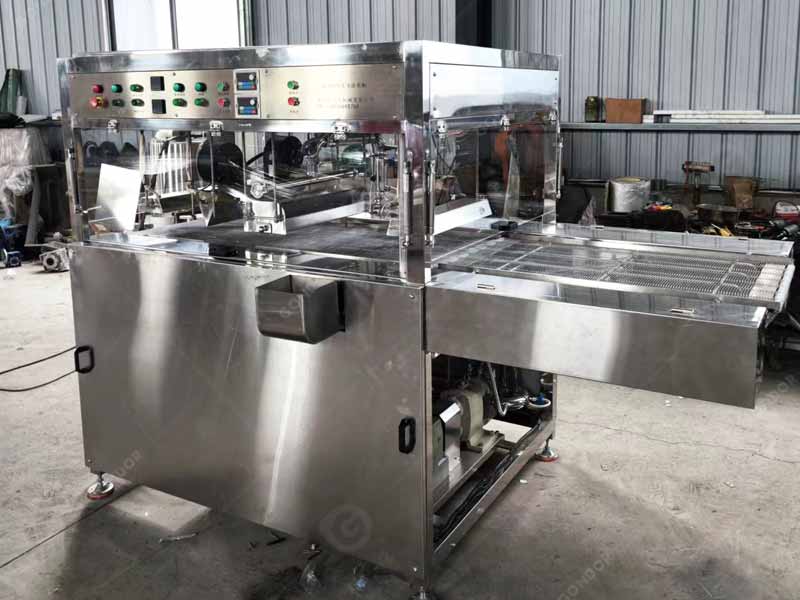
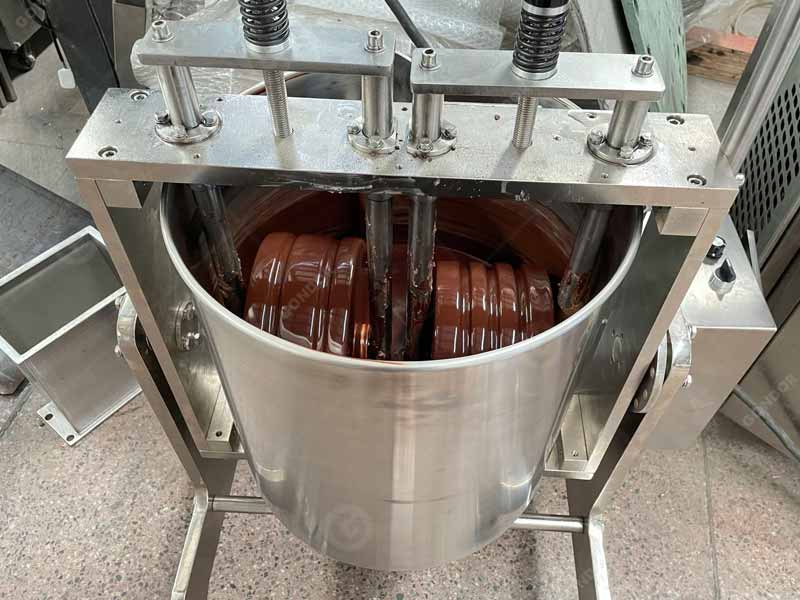
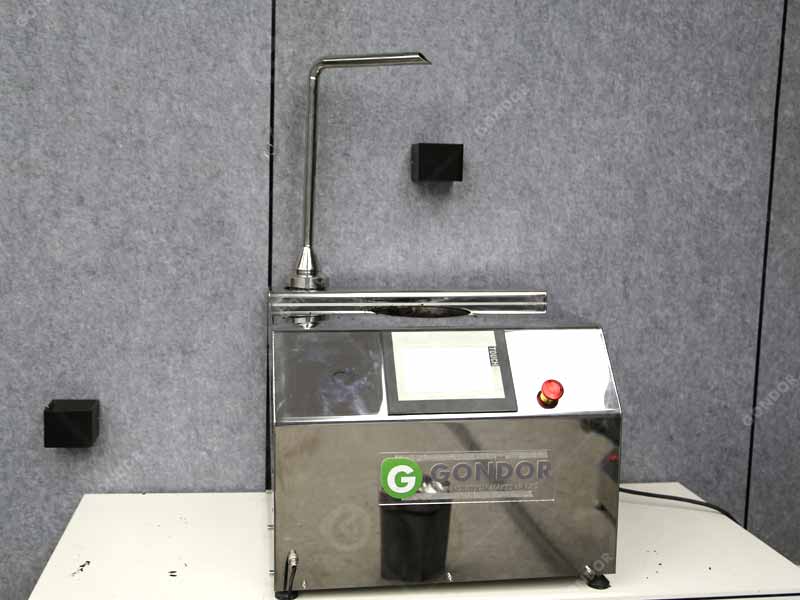
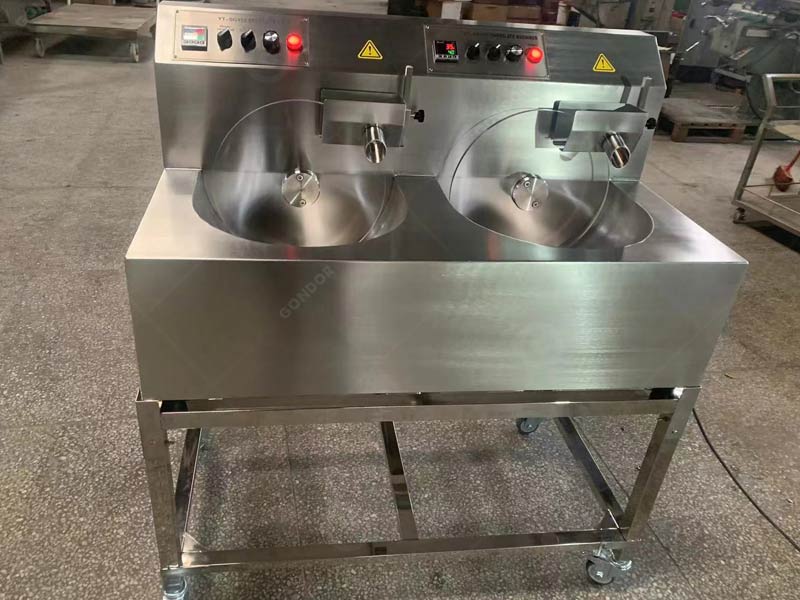
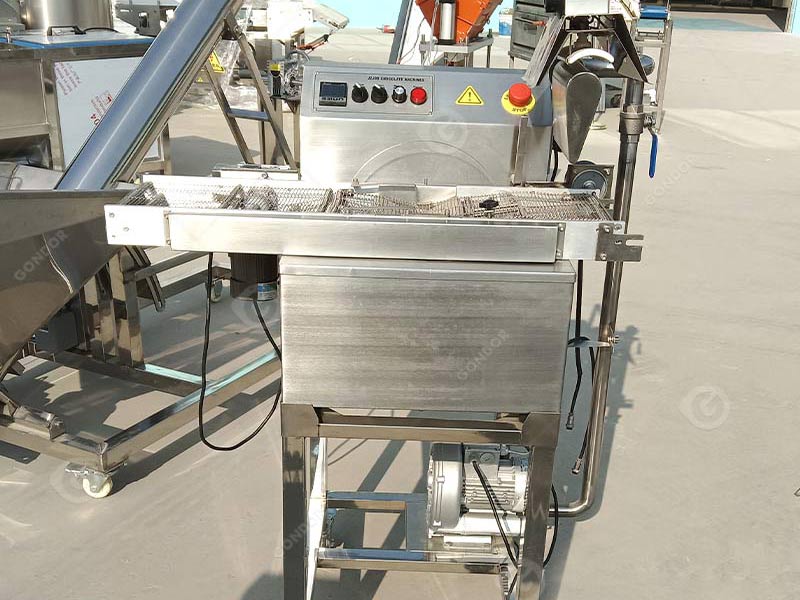
تعتبر عملية التقسية هي الخطوة الأخيرة لتحقيق اللمسة النهائية المثالية للشوكولاتة. أولاً, يتم تسخين الشوكولاتة إلى درجة حرارة محددة, عادة بين 45 درجة مئوية و50 درجة مئوية. في هذه العملية, ذوبان الشوكولاتة أو آلات تقسية الشوكولاتة تستخدم لتسخين الشوكولاتة بالتساوي. ما هو أكثر من ذلك, يذوب بشكل مثالي دون أي كتل.
- تبريد:
بمجرد ذوبان الشوكولاتة بالكامل, يجب أن يبرد إلى 28 درجة مئوية -29 درجة مئوية. تعتبر عملية التبريد هذه أمرًا بالغ الأهمية لإنشاء البنية البلورية الصحيحة في زبدة الكاكاو والسكر, وغالباً ما تستخدم أنظمة التبريد المتطورة في المصانع للتحكم في عملية التبريد.
- التدفئة النهائية:
لاستكمال عملية التقسية, يتم إعادة تسخين الشوكولاتة بلطف إلى حوالي 30 درجة مئوية إلى 32 درجة مئوية, مما يعطي الشوكولاتة نعومة, مظهر لامع ومفاجئة مثالية.
خطوة 8: صب والتبريد - تشكيل المنتج النهائي
- صب في قوالب:
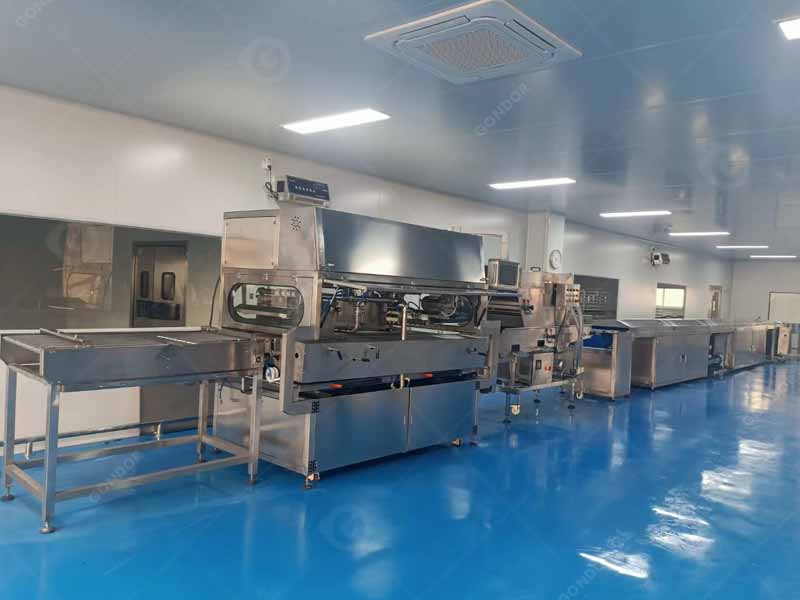
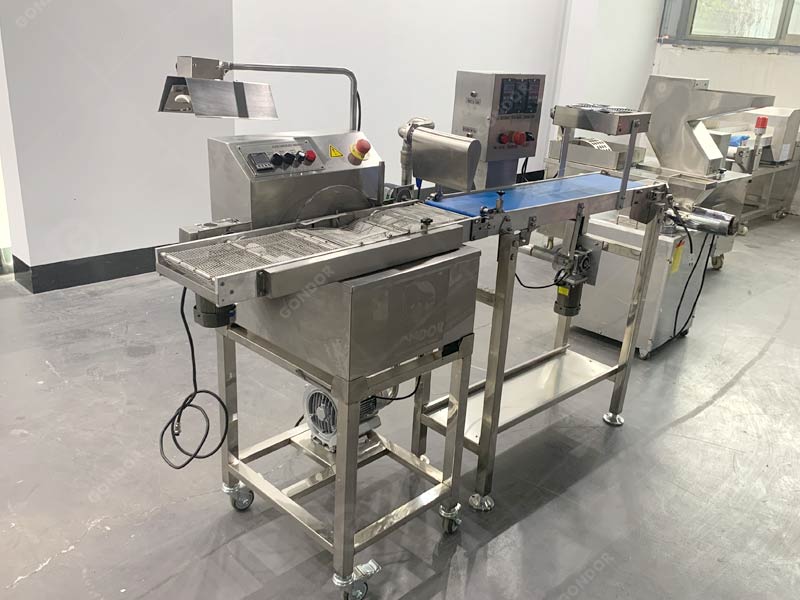
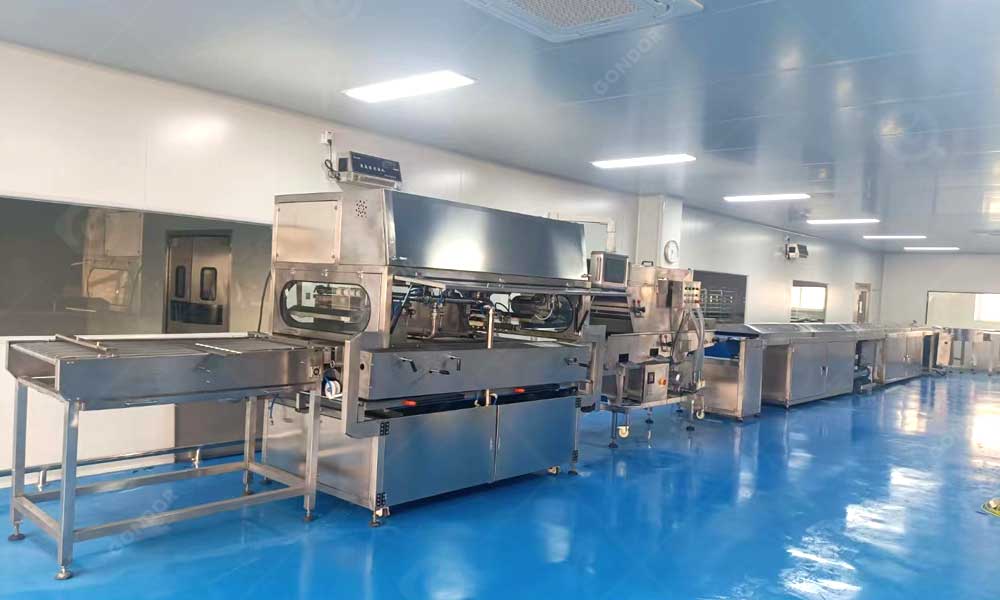
بمجرد أن تنضج الشوكولاتة,تستخدم العمليات التجارية عادةً آلات ترسيب الشوكولاتة لصب الشوكولاتة بسرعة وكفاءة, ويمكنه أيضًا ضمان عدم احتجاز فقاعات الهواء أثناء العملية.
- تبريد:
بعد صب, يتم وضع القوالب في نفق التبريد أو الثلاجة. هنا, تتجمد الشوكولاتة في شكلها النهائي, أخذ عادة 1-2 ساعات لتعيينها بالكامل.
خطوة 9: إزالة, التعبئة والتغليف, والتخزين - الاستمتاع بالمنتج النهائي
- إزالة الشوكولاتة:
بمجرد تبريده بالكامل, تتم إزالة الشوكولاتة بعناية من القوالب, والتي يمكن أن تشكل ألواح الشوكولاتة بشكل مثالي بسلاسة, سطح لامع.
- التعبئة والتغليف:
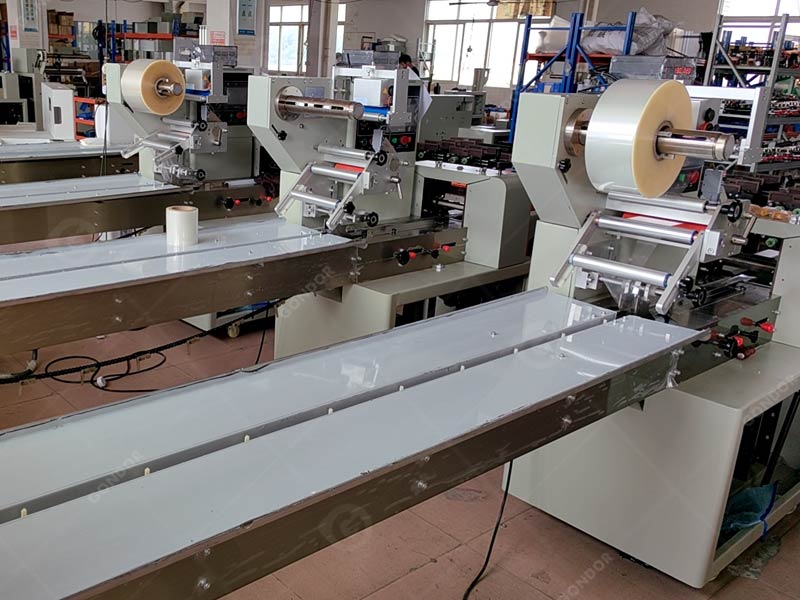
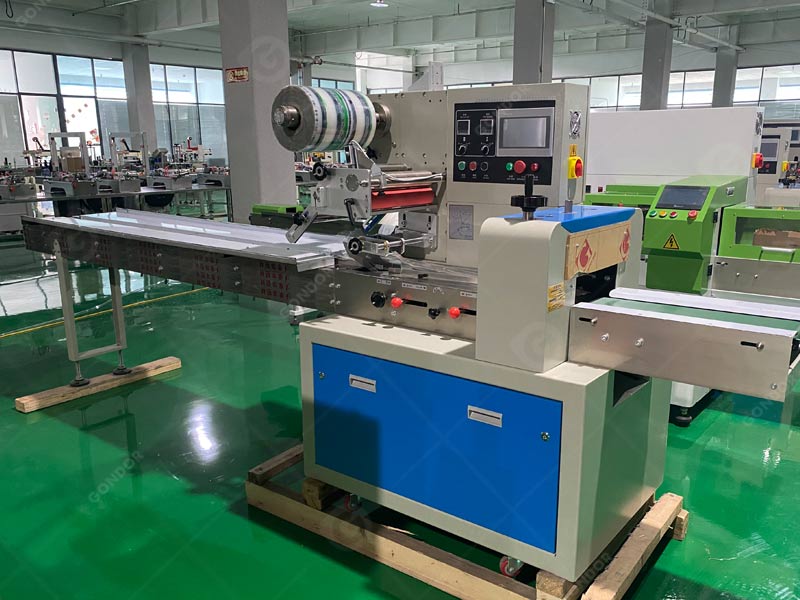
للحفاظ على جودة الشوكولاتة, يتم تعبئتها بسرعة باستخدام آلات التعبئة والتغليف. يمكنه ختم الشوكولاتة بجودة عالية, مواد آمنة للغذاء, والتي يمكن أن تمنع التعرض للرطوبة والهواء الذي قد يؤدي إلى تدهور قوامه ونكهته.
- تخزين:
للحفاظ على نكهته وملمسه, يجب تخزين الشوكولاتة في مكان بارد, مكان جاف عند درجة حرارة تتراوح بين 18 درجة مئوية - 22 درجة مئوية. يستخدم العديد من مصنعي الشوكولاتة التجارية أنظمة تخزين لتنظيم درجة الحرارة والرطوبة من أجل نضارة أطول.
تبسيط إنتاج الشوكولاتة باستخدام الآلات المتقدمة
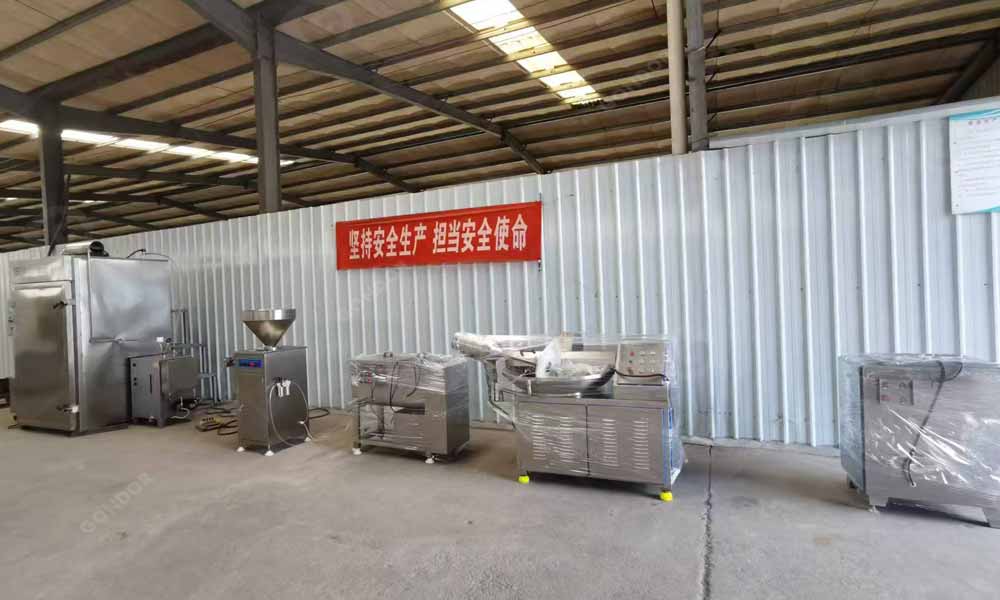
بفضل آلات صنع الشوكولاتة المتقدمة, أصبح إنتاج شوكولاتة الحليب أكثر كفاءة ودقة. كل خطوة, من التحميص والتكرير إلى القولبة والتعبئة والتغليف, يمكن الآن تحسينها من أجل الاتساق والجودة. سواء كنت من ذوي الخبرة في صناعة الشوكولاتة أو بدأت للتو, يعد اختيار معدات صنع الشوكولاتة المناسبة أمرًا ضروريًا لإنتاج الشوكولاتة المثالية. في ماكينات جوندور, نحن نقدم جودة عالية آلة تجهيز الأغذيةالتي تبسط كل مرحلة من مراحل الإنتاج. التكنولوجيا لدينا تضمن الدقة, مما يسمح لك بالتركيز على صنع شوكولاتة استثنائية ستسعد عملائك. تواصل معنا اليوم لتعرف كيف يمكننا الارتقاء بعملية صنع الشوكولاتة لديك!