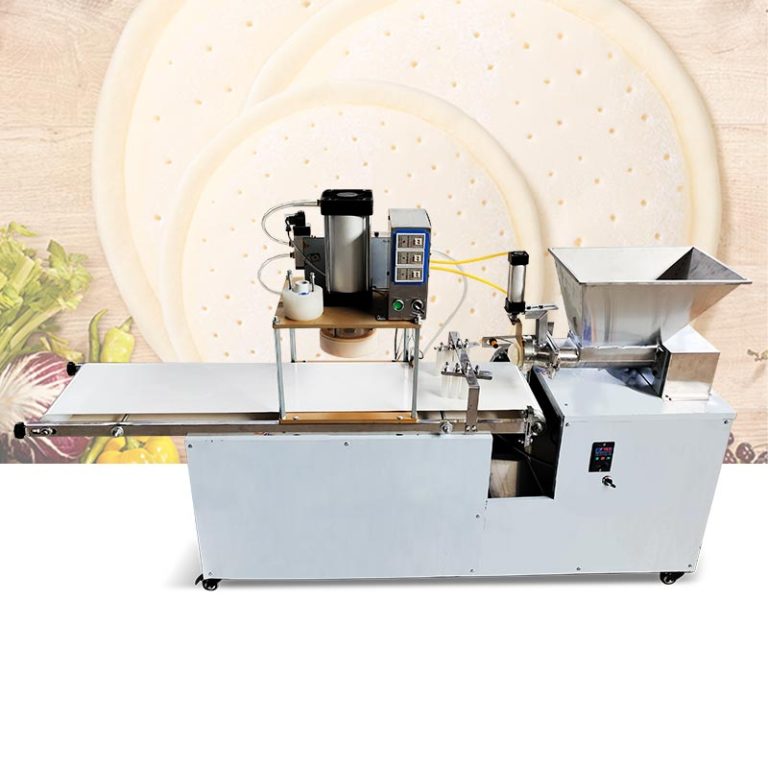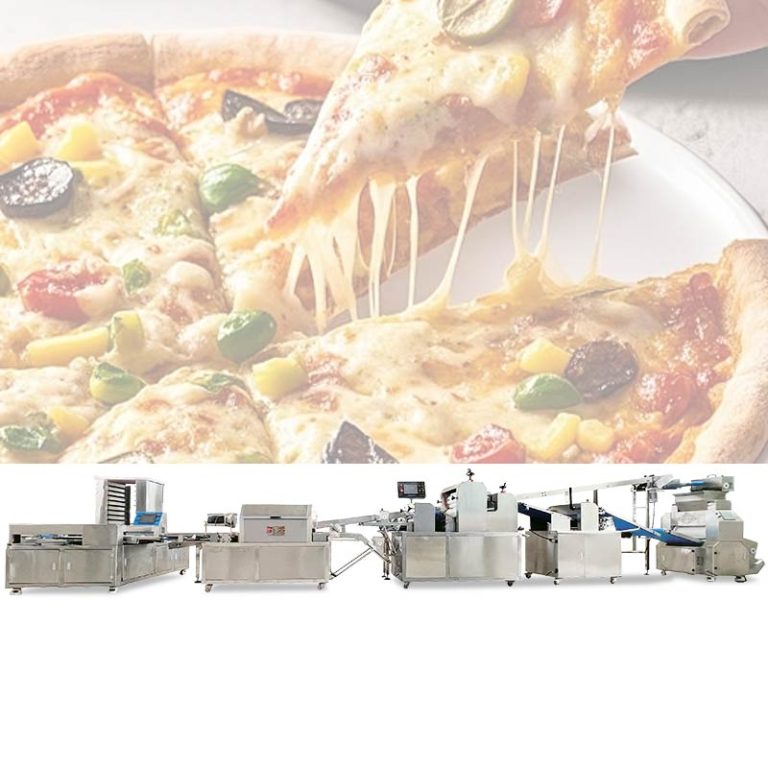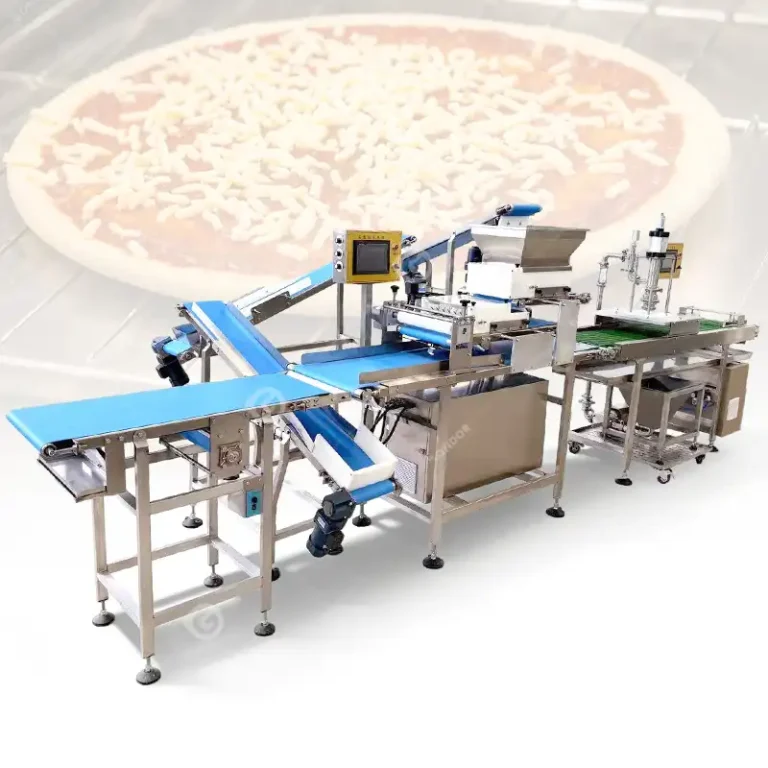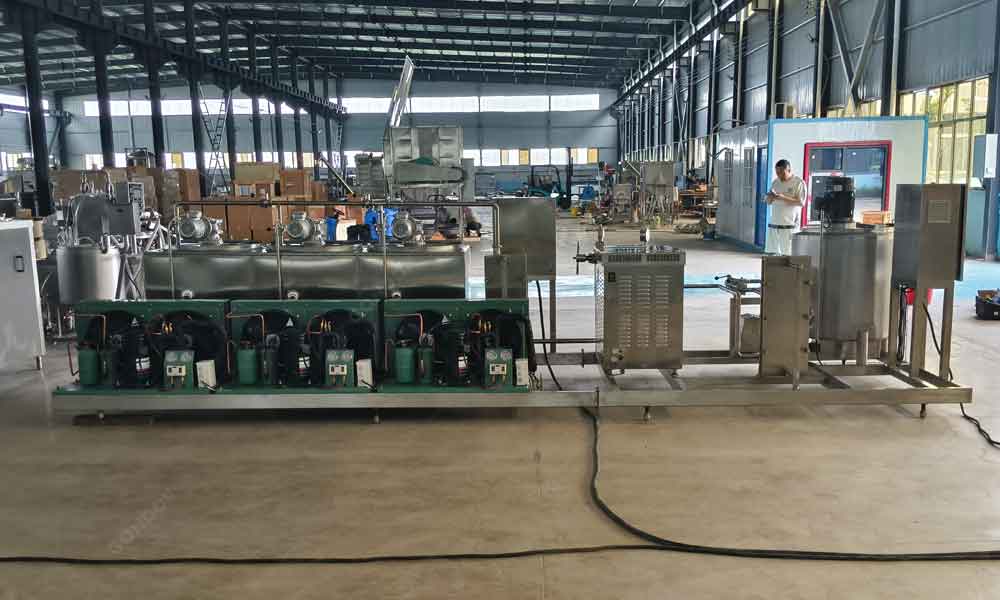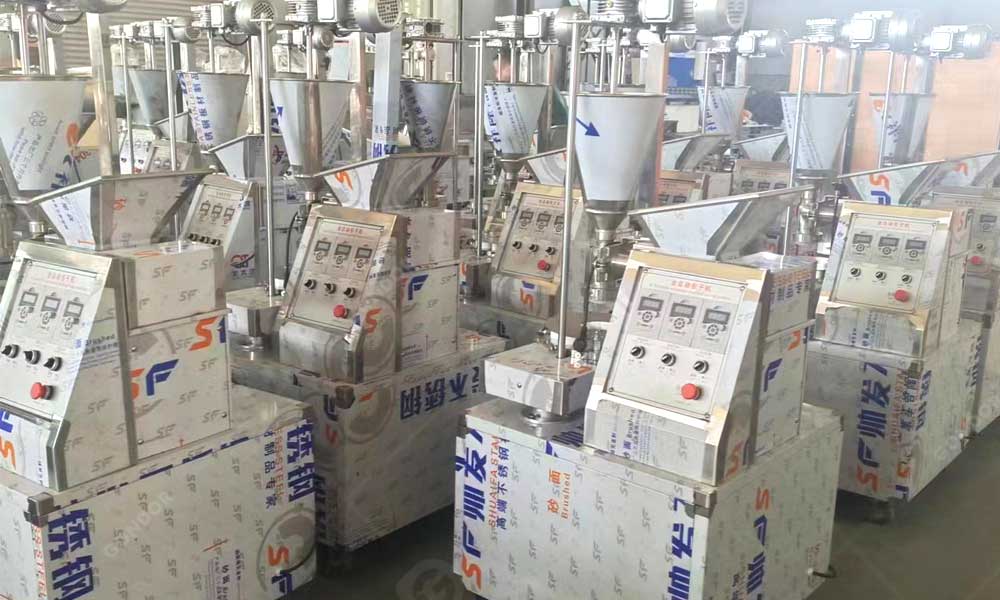



The first pizza comes off the belt with a neat circle of sauce and an even layer of cheese. When you try out a pizza sauce spreading and topping machine, watch the next few bases too. Leave a gap, switch to your larger base or put through an extra-cheese order. A trial with the dough and toppings you use every day will tell you more about how the machine will work on a busy shift.
What should I ask the supplier to show in a demo video?
Ask for one continuous shot of several bases going in plain and coming out topped. Have the operator leave one space empty, then follow the first base after the gap. Does anything land on the empty belt? Where does the first bit of sauce land on the next base, and does cheese reach its front half? A row of finished pizzas at the end of the belt won’t show you that moment.
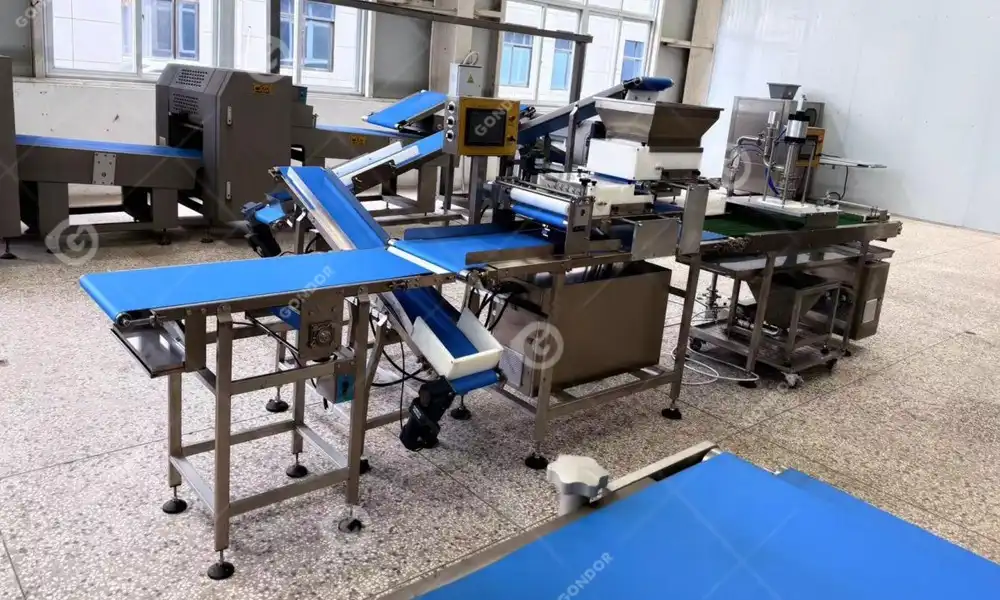
Macchina per spalmare e guarnire la salsa per pizza Gondor
The sauce portion weighs out correctly. Why is there still a bare patch?
Set a few sauce-only bases side by side in the order they came off, all facing the same way. If the same patch on the left is bare every time, watch how the bases pass under the head. Are they off to one side? Does sauce flow steadily from the outlets on that side? Adding more sauce could just make the covered areas thicker. If the whole circle is covered but the layer looks thin, try a larger portion and compare the two bases side by side.
How much more sauce does a 30 cm pizza need than a 20 cm one?
First decide how much rim to leave bare. Say you leave 1 cm all around both pizzas. Your sauced circles are then 18 cm and 28 cm across. The larger circle has about 2.4 times the area of the smaller one. For the same sauce thickness, start the trial with about 2.4 times the sauce you actually use on the small pizza.
Fit the spray mold for the circle you want, run a few large bases and measure the rim you get. Fine-tune the portion to taste. That multiplier applies to these particular sizes and rim widths.
How do I check whether customers are getting double cheese?
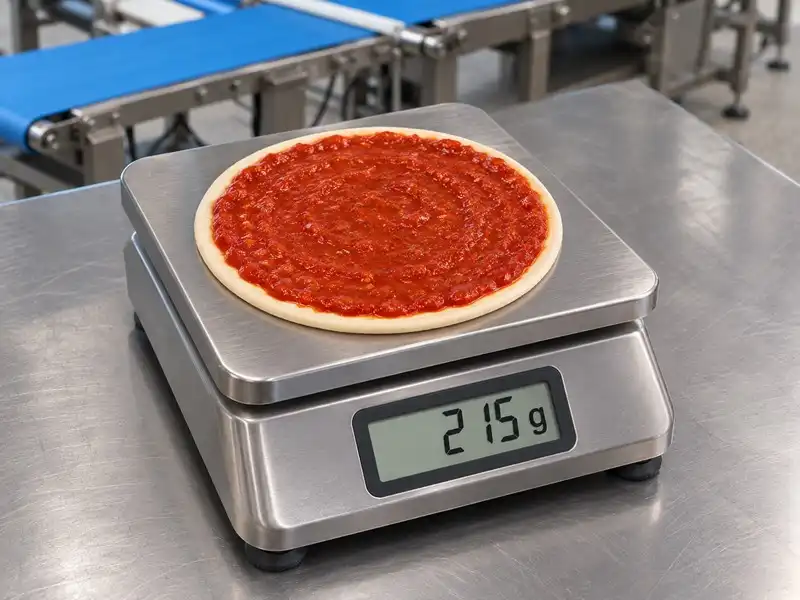
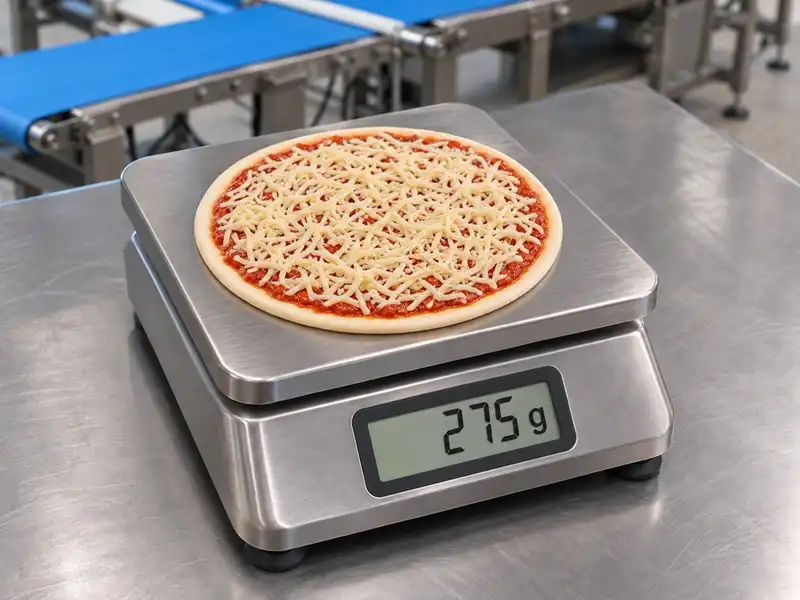
Start by weighing a sauced base. Two plain bases can differ in weight, so comparing two finished pizzas can throw the numbers off. Add the cheese and weigh that same pizza again. If the readings are 215 g and 275 G, you’ve put 60 g of cheese on it.
Do this for a few regular pizzas and a few double-cheese orders. Compare the averages, but keep the individual weights too. One generous pizza can hide a skimpy one in the average.
Our menu photo shows pepperoni on every slice. How can we test for that?
Send the supplier your menu photo and show how your shop cuts its pizzas. Specify the count and arrangement you need, and ask which setup can place whole slices that way. A video of shredded cheese or diced ham won’t show you that.
For the demonstration, ask the supplier to use your usual pepperoni and cut the finished pizza into wedges. Count the pieces on each wedge. The total weight can be spot on and one wedge can still miss out.
Is cheese recovery worth paying for if we only run a few batches a day?
Ask for two batches, one with recovery and one without, using the same bases and cheese portion. Per ogni lotto, subtract the usable cheese left at the end from the amount issued, then divide by the number of pizzas you’d sell. Weigh the topping on a few pizzas from each batch first. A smaller cheese portion would skew the comparison.
The same shreds can travel around the return belt more than once, so weighing everything that passes along it can overstate the savings. Use your cheese price and daily pizza count to put a value on the difference. If you switch flavors often, also time how long it takes to empty the return system between batches.
We need 600 pizzas in our busiest hour. Where should we count them?
Count topped pizzas at the discharge end, then look at the oven entrance. Quello di Gondor 4.6 m combined unit is rated at 500–1,000 pizzas an hour. A target of 600 means an average of 10 topped pizzas a minute. Use your usual staffing for the trial and keep the clock running while someone refills the cheese hopper.
If 10 pizzas come off the topping machine each minute but your forno per pizza a nastro trasportatore takes eight, two more pizzas join the queue every minute. Check what the oven can take before turning up the topping line.
The unbaked pizza looks good. Should we bake one as well?
SÌ. Use the same dough and ingredients, top one pizza by hand and run another through the machine. Photograph both before they go in the oven, then bake them at your usual temperature and time. Try a wedge from each. Can you taste the sauce close to the rim? Has the melted cheese pooled in the middle? Photograph the one you like and keep its before-and-after pictures with the portion weights for the next shift.
Planning a trial? Send Gondor a photo of your best seller, its diameter, the sauce and topping weights per pizza, and the number you need in your busiest hour. We can use your recipe for the demo, and you can compare the result with the pizza your customers already know.