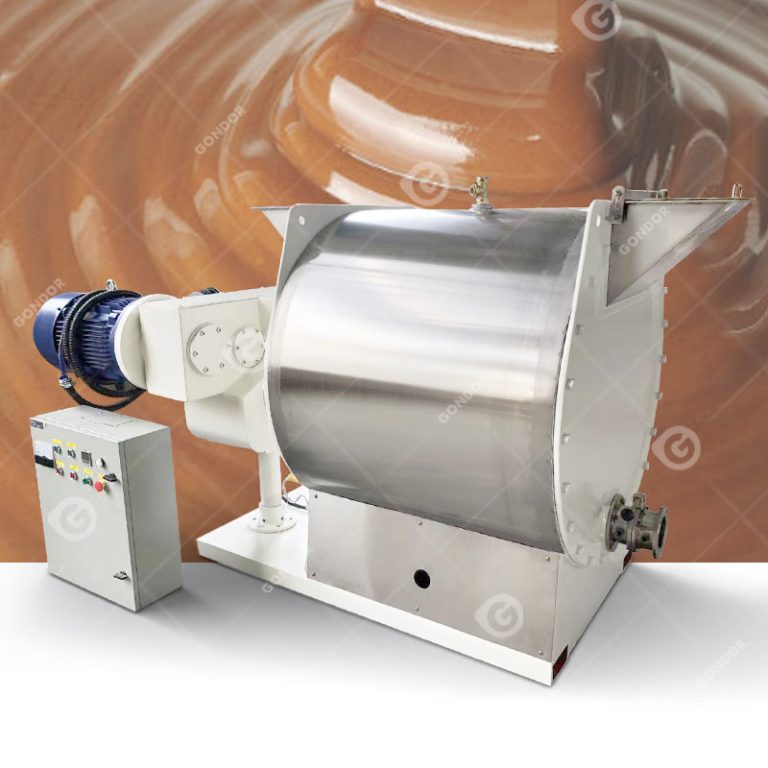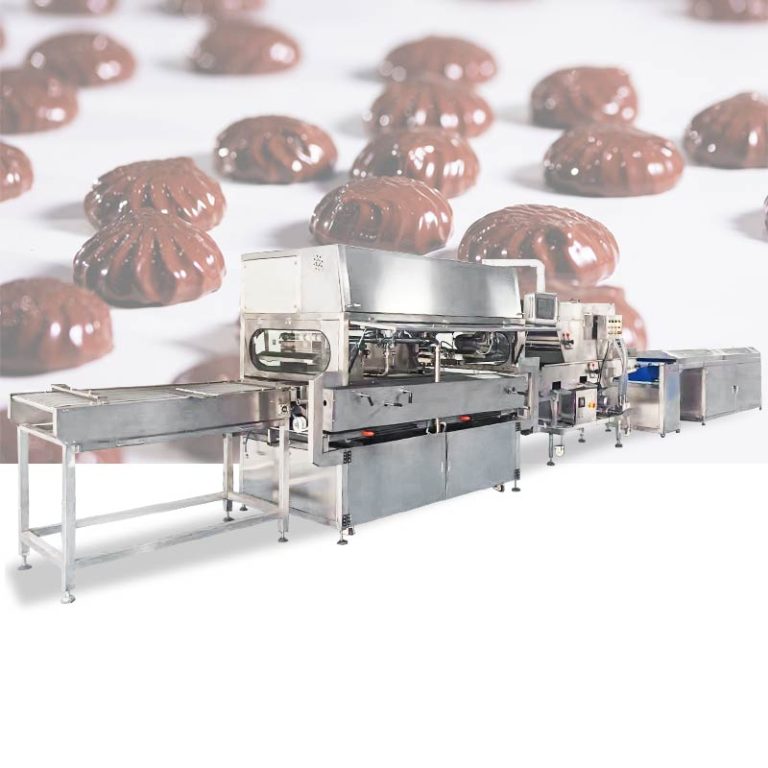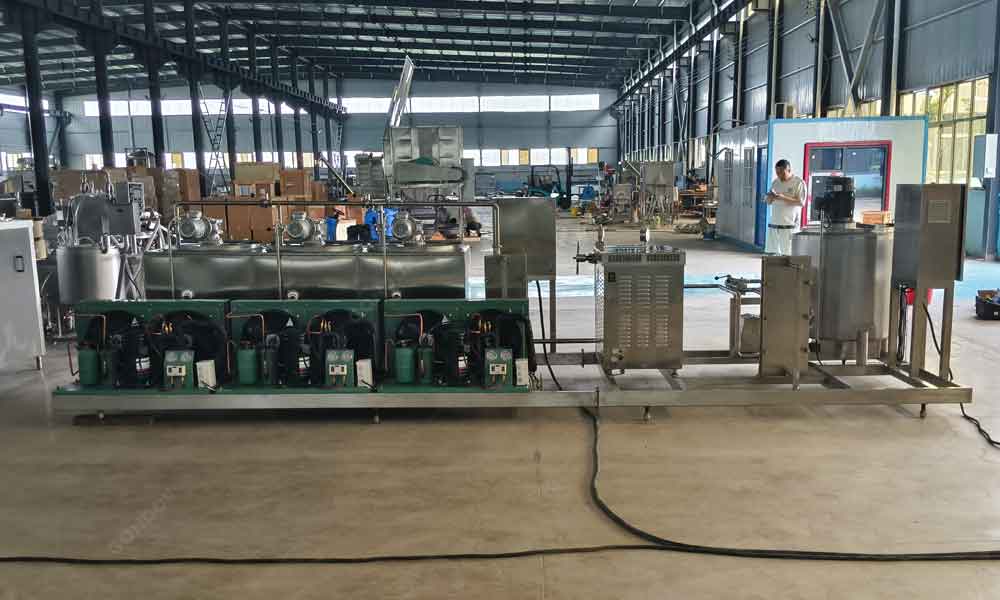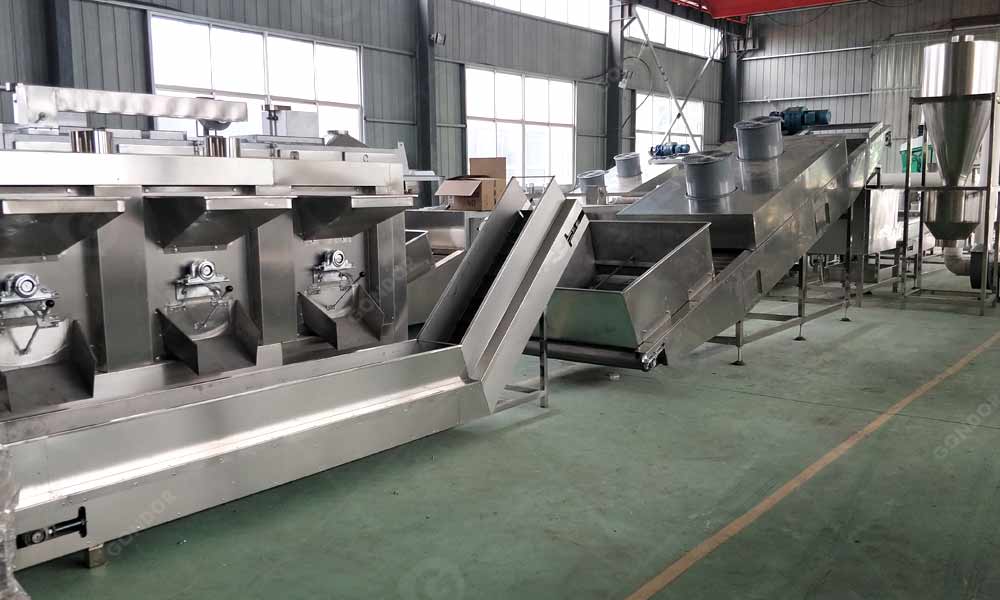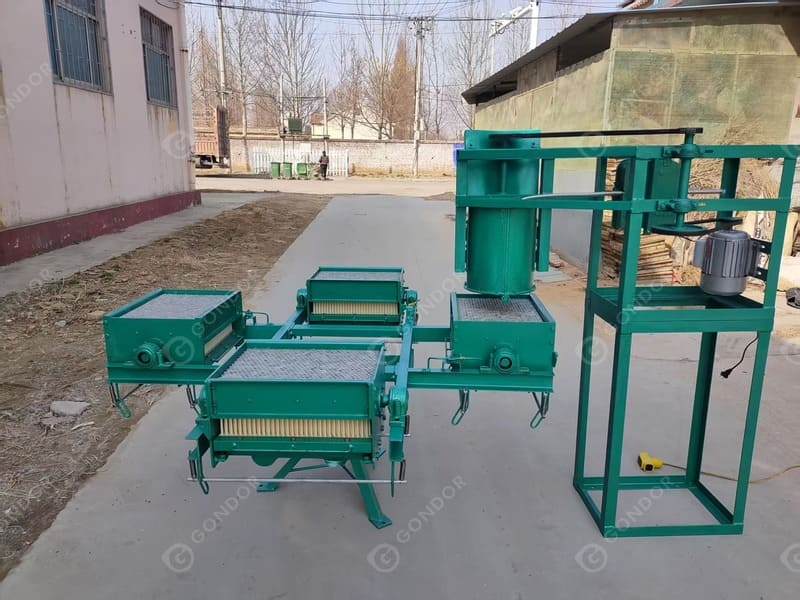



في المشهد التنافسي للحلويات الحرفية والصناعية, إن تحقيق الملمس المثالي هو السمة المميزة للجودة. At the heart of this transformation is the commercial chocolate conching machine, قطعة أساسية من المعدات التي تسد الفجوة بين كتلة الكاكاو الخام والذهب السائل الفاخر. As global demand for premium textures and complex flavor profiles rises, high-performance chocolate conches have become the backbone of professional production lines, ensuring that every batch meets the gold standard of smoothness.
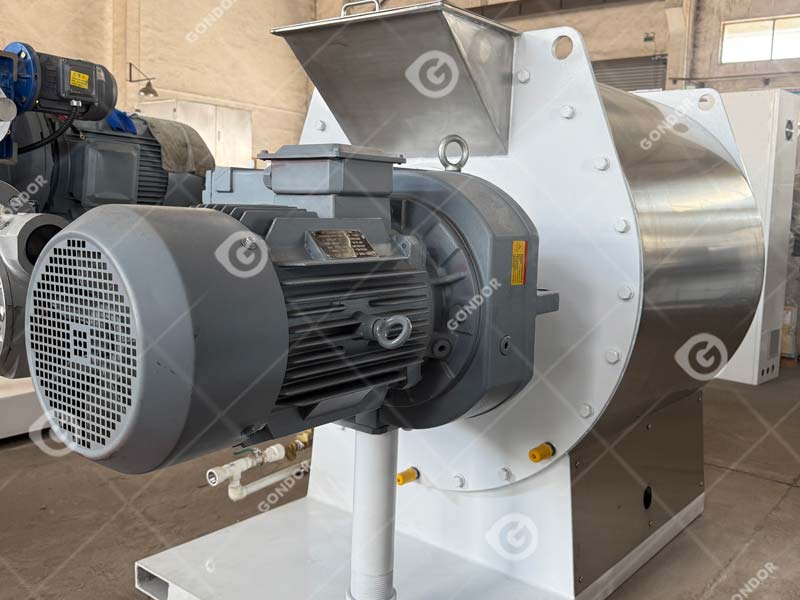
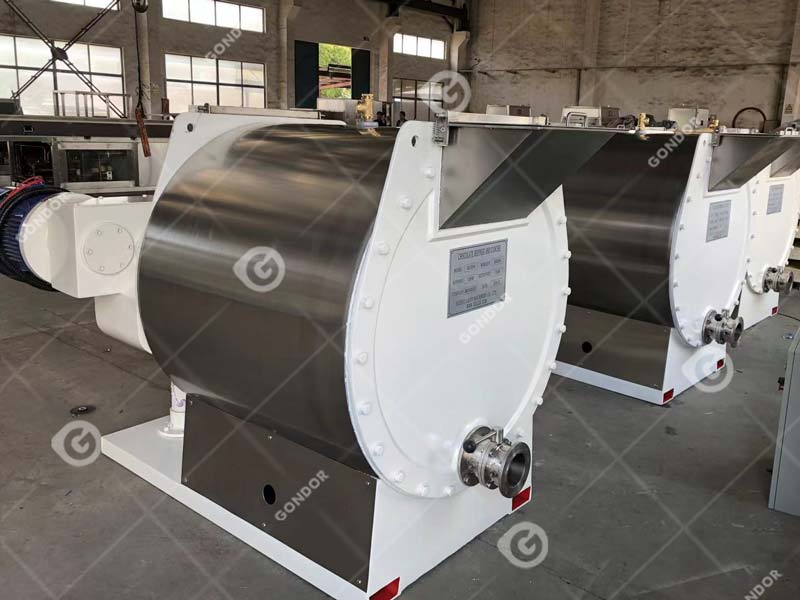
What Is a Chocolate Conching Machine?
A chocolate conching machine is the essential equipment for achieving a “qualitative leap” في صنع الشوكولاتة. Through hours or even days of continuous mechanical grinding and heated agitation, it reduces coarse cocoa and sugar particles to a fineness of under 20 ميكرون.
خلال هذه العملية, the machine not only creates a melt-in-the-mouth, silky texture but also effectively removes harsh, acidic odors while perfectly emulsifying the cocoa butter and flavor compounds, ultimately transforming raw ingredients into a high-quality liquid chocolate mass with a smooth mouthfeel, rounded aroma, and excellent fluidity.
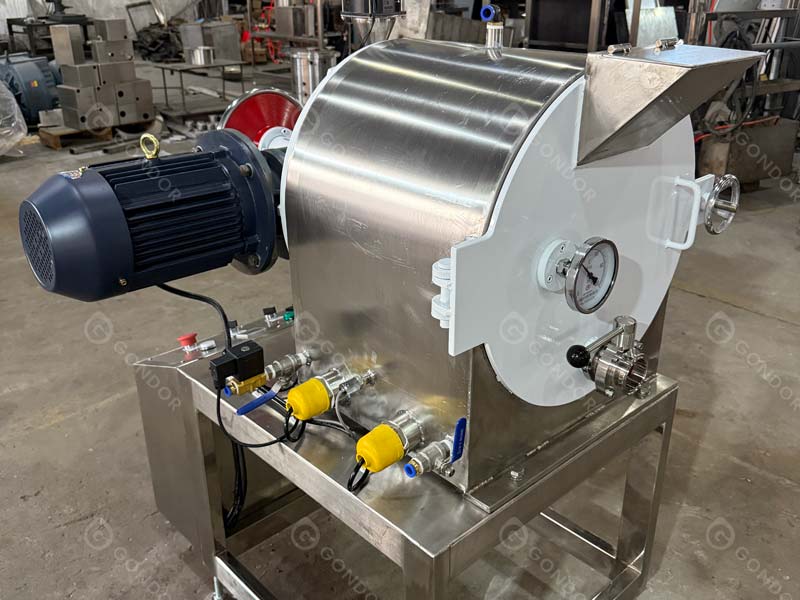
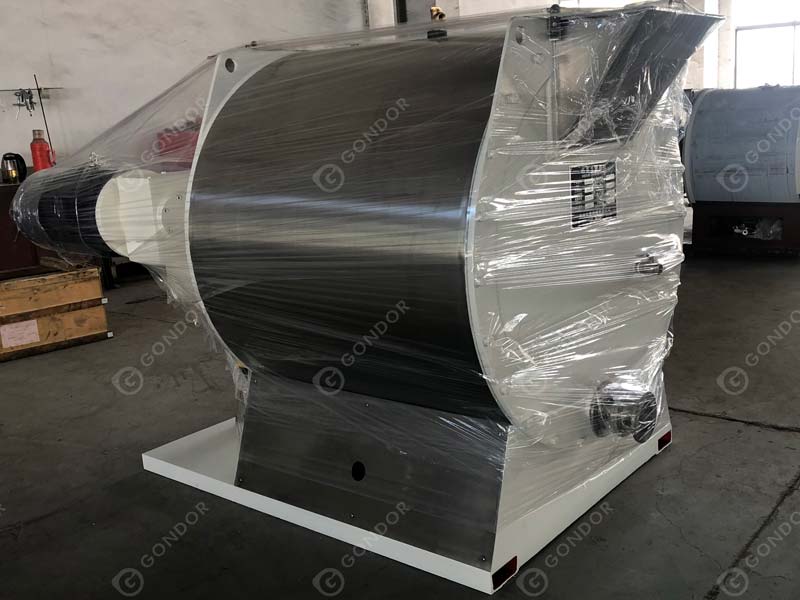
What Is the Difference Between Refining and Conching in This Machine?
في هذا الجهاز, refining is the mechanical process of grinding solid ingredients—such as cocoa solids and sugar—down to a sub-20 micron fineness to eliminate grittiness. معًا, conching uses controlled heat and continuous agitation to evaporate residual moisture and acidic volatiles while ensuring every particle is perfectly coated in cocoa butter for a rich aroma.
By integrating these two stages into a single, seamless cycle, this equipment allows the rotor and jacketed chamber to develop both the texture and flavor profile at once. This all-in-one functionality significantly shortens production time and ensures a consistently silky, professional-grade chocolate mass.
Which Model of Chocolate Conching Machine Should I Choose?
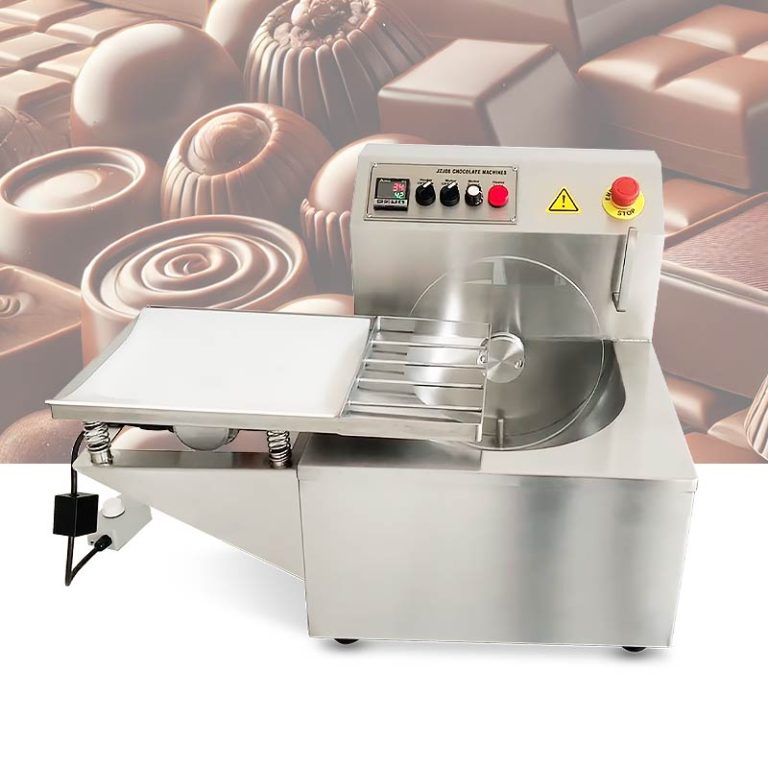
20–50L: Boutique Artisan Scale (Startup/R&د)
- Target: Perfect for premium Bean-to-Bar startups, lab testing, or online boutique brands.
- سعة: Yields approximately 300–800 bars (60ز) لكل دفعة.
- المزايا: بصمة صغيرة, typically runs on single-phase power, and offers low cost for flavor experimentation.
- Recommendation: Best for those prioritizing brand identity and recipe variety.
500ل: Medium Industrial Scale (Growth/Wholesale)
- Target: Suitable for supplying supermarket chains, OEM (تصنيع العقد), or large corporate gift orders.
- سعة: Yields approx. 400–450kg of chocolate mass per batch; daily output can reach tens of thousands of bars.
- المزايا: Significantly higher efficiency with a drastic reduction in energy and labor costs per unit.
1000ل: Large Industrial Scale (Mass Production)
- Target: For established chocolate manufacturers or bulk ingredient suppliers.
- سعة: Yields nearly 1 ton of mass per batch; designed for continuous 24/7 core production.
- المزايا: Maximum automation ensuring high consistency across massive volumes.
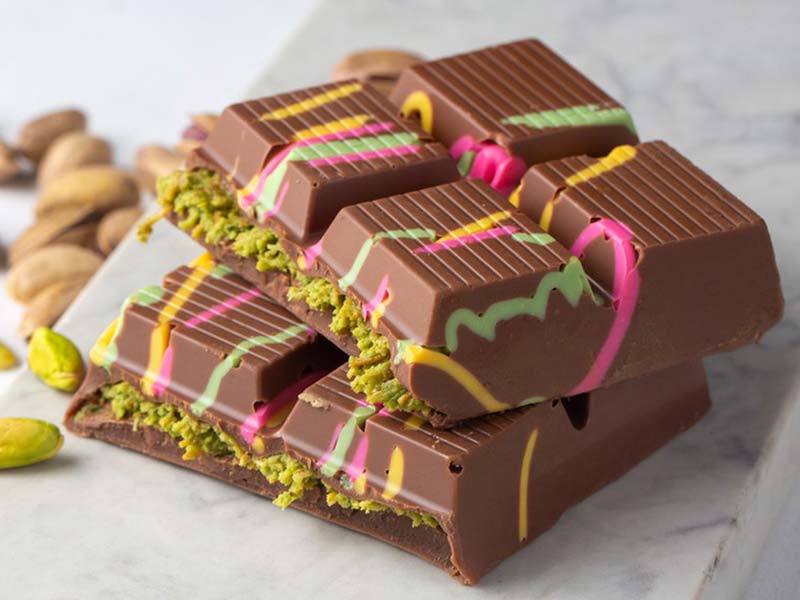
Can This Chocolate Conching Machine Process Heavy Nut Fillings, Like the Pistachio Cream Used in the Viral Dubai Chocolate Bar?
This machine is ideal for creating the premium pistachio base required for the viral Dubai Chocolate. Through its powerful refining capabilities, it thoroughly grinds pistachio kernels and cocoa butter into a silk-smooth, flowable cream with a sub-20 micron texture—a level of refinement unachievable by standard food processors. This velvety base perfectly complements hand-mixed crunchy Kunafeh, delivering that iconic, high-end mouthfeel.
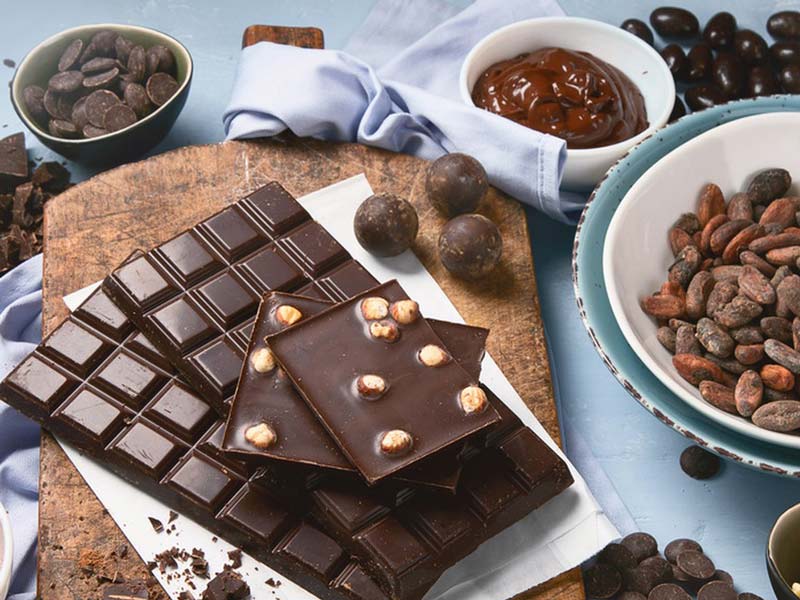
What Causes Lumps After Conching?
1. Uneven Premixing
The efficiency of a conching machine depends heavily on the consistency of the material before it enters the machine.
- Moisture Trapping: If powders like sugar, لبن, or cocoa are not fully emulsified with cocoa butter during premixing, they can easily absorb trace moisture from the environment. This moisture creates a sticky surface on the particles, forming hard “flour balls” that are difficult to break down even after prolonged conching.
- Encapsulation Failure: If the mix is uneven, some solid micro-particles will fail to be fully coated by fats. These dry spots lead to high local viscosity, causing particles to cluster into lumps under mechanical shear.
2. Mill Wear & Gap Deviations (>0.3مم)
The heart of refining is precise physical shearing; the size of the gap determines the final fineness.
- Loss of Grinding Force: When rollers or scrapers wear down and the gap exceeds 0.3mm, the machine can no longer apply sufficient pressure to the micro-particles. Larger sugar or cocoa grains then “escape” the refining process and act as nuclei, attracting smaller particles to cluster around them, resulting in a gritty texture or visible lumps.
- Reduced Circulation: An excessive gap causes the mass to settle at the bottom of the drum, creating “dead zones.” These deposits, lacking friction-generated heat and shear, easily congeal into lumps that contaminate the rest of the batch.
3. Significant Temperature Fluctuations (>±3°C)
Temperature control is the most sensitive physical metric during the refining process.
- Abnormal Crystallization: Ideal refining temperatures usually stabilize between 45°C–60°C (depending on the recipe). If fluctuations exceed ±3°C, the cocoa butter may undergo partial solidification or change its physical properties.
- Viscosity Spikes: A drop in temperature causes a sharp increase in viscosity, hindering flow and causing particles to clump as pressure decreases. على العكس من ذلك, excessive heat can cause “caramelization” of sugar or denaturation of milk proteins, forming irreversible hard lumps that destroy the chocolate’s silky finish.
How to Troubleshoot Uneven Texture?
When troubleshooting uneven chocolate texture, first check the alignment of the grinding discs to ensure uniform grinding gaps and prevent particle size differences. التالي, confirm temperature uniformity by using a temperature sensor to monitor the temperature difference between different layers of the syrup, avoiding localized overcooling that could lead to fat crystallization or localized overheating that could cause sugar aggregation.

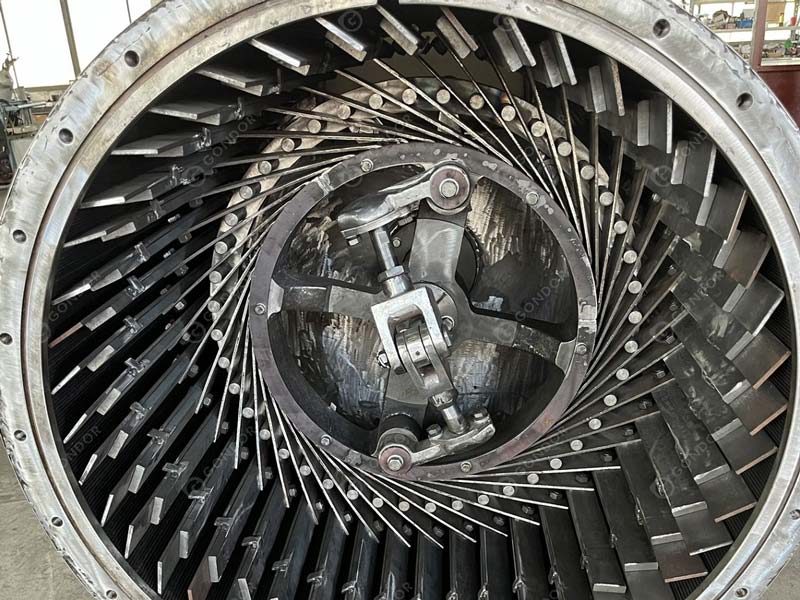
How Do You Clean a Chocolate Conching Machine?
Cleaning a chocolate conching machine should follow the principle of “oil first, then water, with strict moisture control.” Start by draining the excess mass while the machine is warm and scraping off any residue; ثم, perform an “oil wash” by running the machine with vegetable oil or cocoa butter to dissolve solid particles trapped in the crevices.
If a deep clean is necessary, disassemble the parts and wash them with hot water (above 60°C) and detergent to remove fats, but ensure every component is 100% bone-dry using hot air before reassembly to prevent sugar seizing or mold growth in the next batch.