


ما هي آلة دراس الذرة?
آلة دراس الذرة هي آلة زراعية تقوم بفصل حبات الذرة الناضجة بكفاءة عن الكوز, استبدال الأساليب غير الفعالة مثل الدرس اليدوي والقصف, تحسين كبير في كفاءة الحصاد وجودة النواة. يستخدم دراس الذرة أسطوانة دوارة عالية السرعة (مسنن, محكم, أو نوع التدفق المحوري) للتأثير, فرك, والضغط على قطعة خبز الذرة الجافة, مما يتسبب في انفصال الحبات عن الكوز. يتم بعد ذلك جمع الحبات وإزالة الشوائب باستخدام منخل مقعر, معجب, وشاشة تهتز.
يمكن تصنيف دراس الذرة حسب الحجم: نماذج منزلية صغيرة, الآلات الميدانية المتنقلة, نماذج ثابتة كبيرة, وآلات البذور ذات الأذن الواحدة. هناك أيضًا نوع الإبرة آلات مقشر درس الذرة الطازجة.
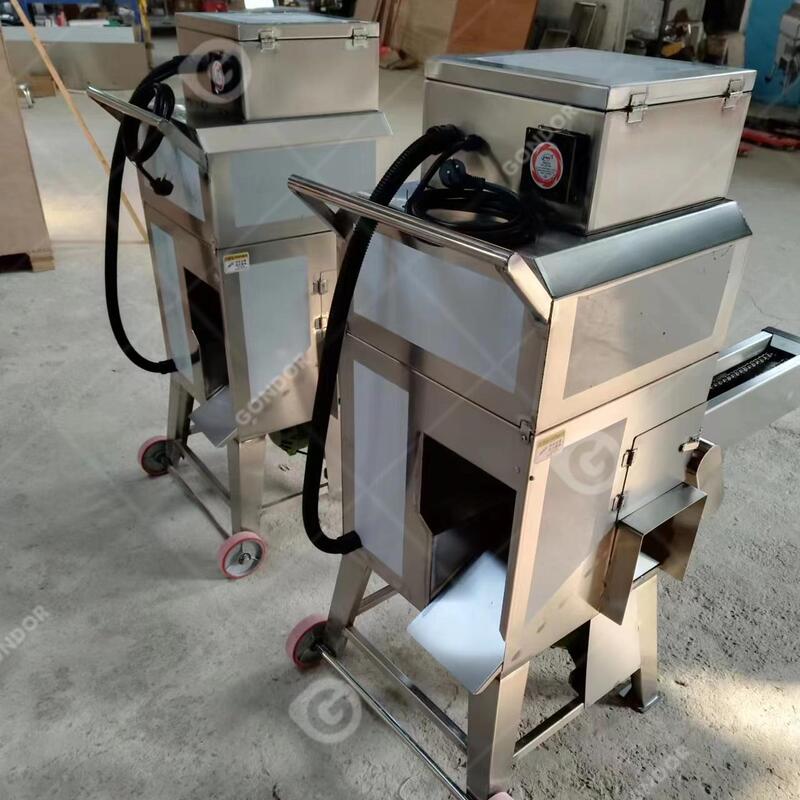
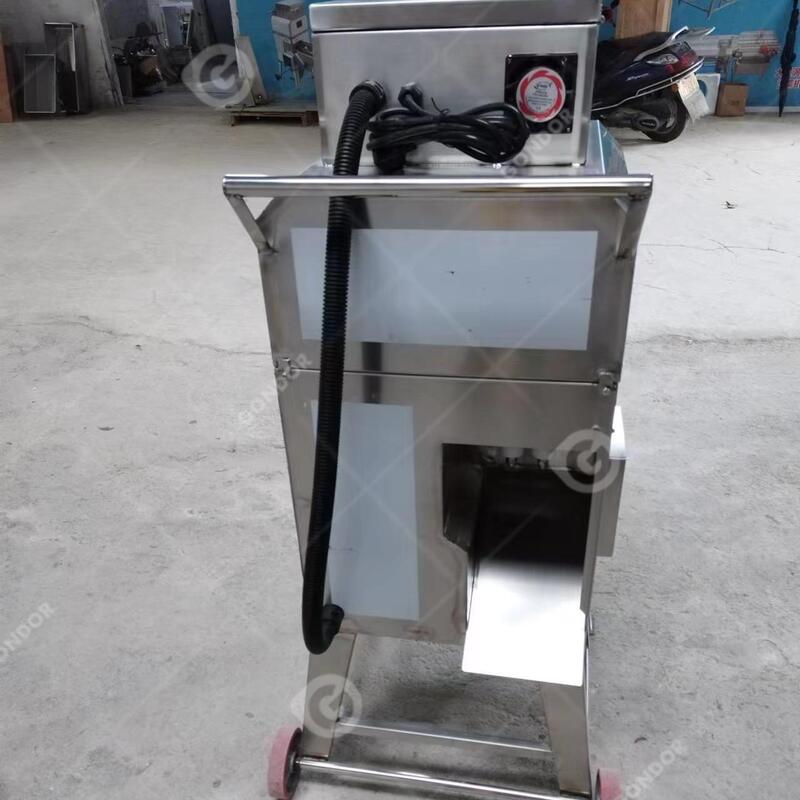
المكونات الأساسية لدرس الذرة
دراس الذرة نموذجي (غالبًا ما تسمى آلة دراس الذرة أو آلة تقشير الذرة) يتكون بشكل رئيسي من الأجزاء الرئيسية التالية: جهاز تغذية, طبل الدرس, منخل مقعر, نظام التنظيف, جهاز نقل, وإطار. تعمل هذه المكونات معًا لإكمال العملية بأكملها بدءًا من إدخال قطعة خبز الذرة وحتى إخراج النواة النظيفة.
عملية عمل آلة درس الذرة
إن عملية عمل آلة درس الذرة هي عملية فصل مادي مستمرة وفعالة, تنطوي على الدرس, الانفصال, والتنظيف. خاصة, ويمكن تقسيمها إلى المراحل التالية:
خطوة 1: التغذية والتقديم
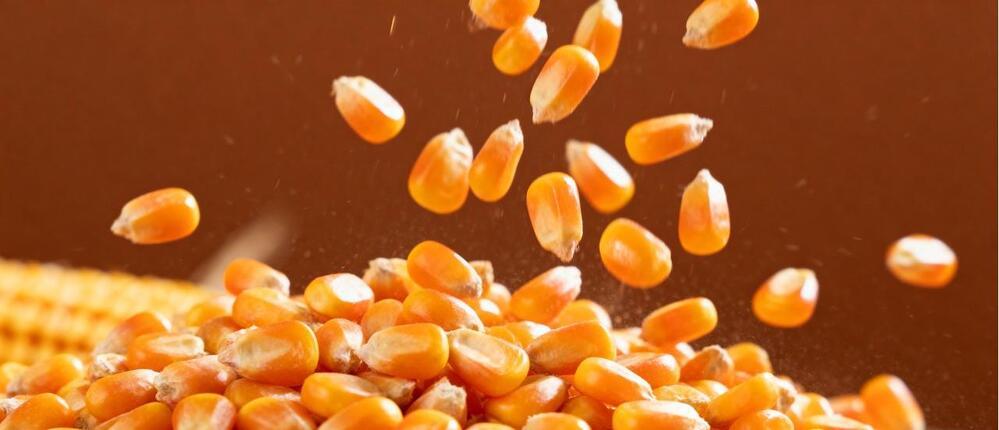
يقوم العامل بتغذية آذان الذرة المحصودة (عادة مع أو بدون بعض القشور) في قادوس التغذية. تم تصميم جهاز التغذية لضمان دخول سنابل الذرة إلى غرفة الدرس بسرعة ثابتة وموحدة. المفتاح في هذه المرحلة هو التحكم في معدل التغذية; معدل التغذية المستقر أكثر أهمية من “متابعة الإخراج الفوري,” تقليل الانسداد والكسر بشكل ملحوظ. التغذية المفرطة سوف تسبب انسدادا, في حين أن التغذية غير الكافية سوف تؤثر على الكفاءة.
خطوة 2: تأثير منطقة الدرس/العجن
هذا هو جوهر العملية برمتها. بعد دخول غرفة الدرس, تواجه آذان الذرة أسطوانة درس دوارة عالية السرعة. الأسطوانة مجهزة بعناصر درس خاصة (مثل الأسنان المسننة, قضبان مخددة, أو الأسنان الدوارة). تحت دوران الطبل, يتم رسم آذان الذرة في الفجوة بين الأسطوانة والشاشة المقعرة. عادة ما تكون الشاشة المقعرة تشبه الشبكة أو تشبه الشبكة, الحفاظ على فجوة معينة مع الطبل.
في هذا المجال, يتعرض كوز الذرة لمجموعة من القوى:
النواة تسقط, تشكيل خليط من “حبات + الشوائب الخفيفة + الكيزان المكسورة”.
خطوة 3: الانفصال الأولي
لأن الحبات أثقل وأصغر, غالبًا ما يمررون بشكل تفضيلي عبر فتحات الشاشة المقعرة; ويستمر طرح كوز الذرة والأجزاء غير المدروسة إلى الأمام.
خطوة 4: الانفصال الثانوي (تخفيض “بذور متشابكة”)
تشتمل بعض النماذج على تأثير ثانوي أو مسار فصل ممتد في المراحل اللاحقة لتقليل معدل البذور المحبوسة عند فتحة الكوز.
خطوة 5: فصل الهواء للشوائب الخفيفة
يمر تدفق الهواء الناتج عن المنفاخ عبر الخليط المتساقط. يتم نفخ الشوائب الأخف من الآلة, بينما أثقل, حبات ممتلئ الجسم تستمر في الانخفاض. قد يؤدي تدفق الهواء الزائد إلى تفجير الحبوب أيضًا, في حين أن تدفق الهواء غير الكافي سيؤدي إلى ارتفاع محتوى الشوائب.
خطوة 6: فحص وإخراج الحبوب النظيفة
يقوم الغربال بتصفية الكيزان المكسور والشوائب كبيرة الحجم وفقًا لحجم الجسيمات. تخرج النوى المؤهلة من منفذ النواة, بينما تخرج أكواز الذرة من مخرج الكوز. ويمكن تعبئتها مباشرة في أكياس أو نقلها للتخزين عبر الناقل. خروج الشوائب الخفيفة أو المسحوق الناعم من مخرج النجاسة. هذا يكمل عملية الدرس.
مزايا اختيار مقشر درس الذرة
عادةً ما يمتلك مقشر درس الذرة عالي الكفاءة الخصائص التالية:
ارتفاع معدل الدرس وانخفاض معدل الكسر: سرعة الطبل الأمثل, شكل عنصر الدرس, ويضمن تصميم الفجوات درسًا فعالًا للنواة مع تقليل الضرر الذي يلحق بالنوى, حماية جودة الحبوب وقيمتها التجارية.
قدرة معالجة قوية والقدرة على التكيف: قادرة على التكيف مع أصناف مختلفة, مستويات الرطوبة (ضمن نطاق معين), وأحجام قطعة خبز الذرة, الحفاظ على كفاءة العمل مستقرة.
تأثير تنظيف ممتاز: نظام التنظيف الفعال يقلل بشكل كبير من محتوى الشوائب في الحبات, تقليل عبء التجفيف اللاحق أو التجفيف بالشمس.
سهولة التشغيل والصيانة: تصميم سهل الاستخدام; من السهل فحص المكونات الرئيسية واستبدالها, خفض حاجز المستخدم أمام تكاليف الدخول والصيانة.