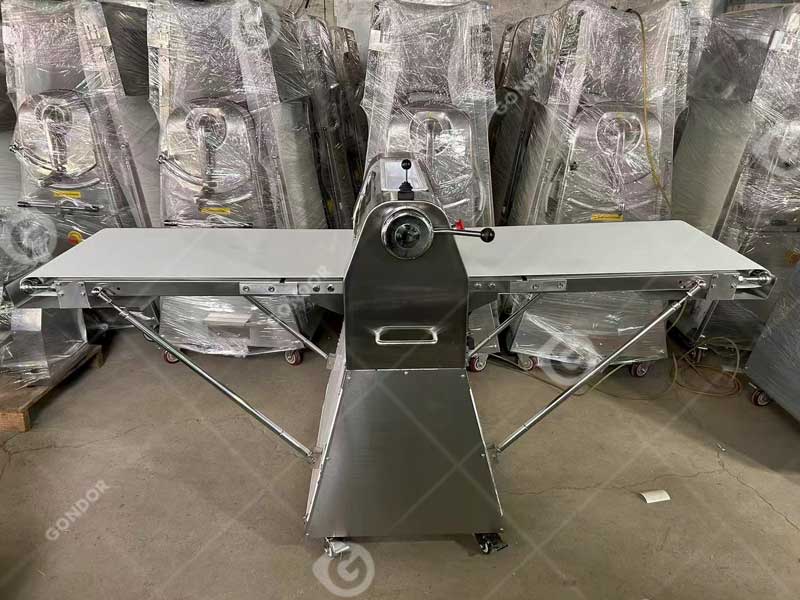



En panificación comercial, Elegir el equipo adecuado es crucial para garantizar una calidad constante y una producción eficiente.. Una laminadora de masa comercial juega un papel clave para lograr un espesor de masa uniforme y una textura de masa perfecta.. para panaderías, pastelerías, y otras plantas procesadoras de alimentos, investing in a reliable electric dough sheeter can significantly improve production efficiency and product quality.

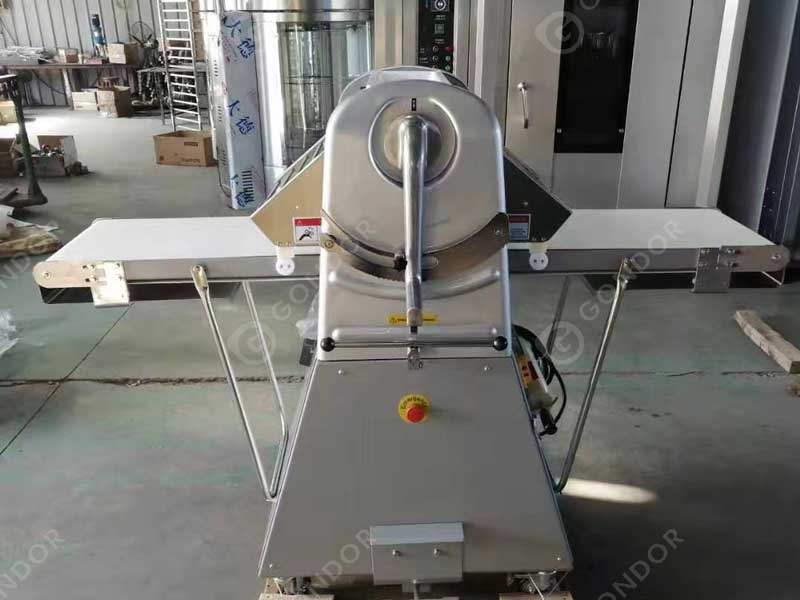
How Does a Dough Sheeter Work?
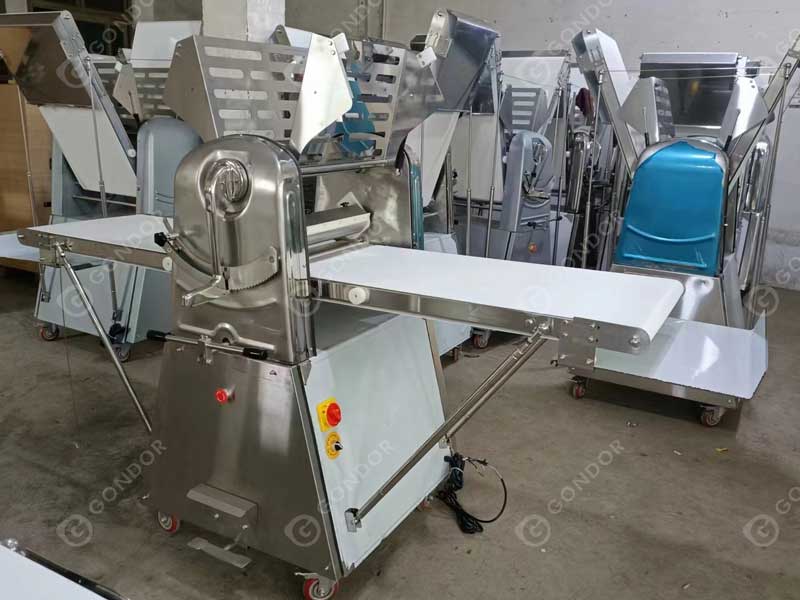
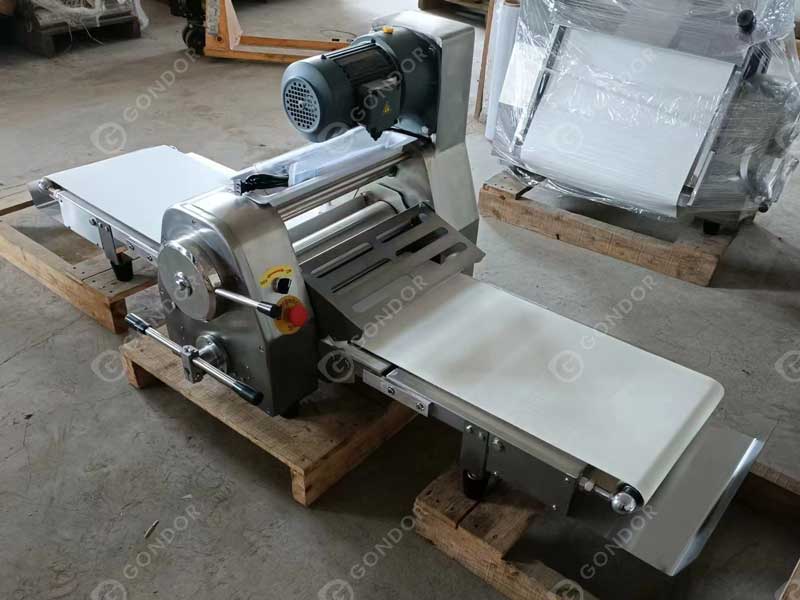
A dough sheeter works by using a pair of precision rollers to flatten dough into uniform sheets. The process begins by placing the dough on the machine’s belt, where it is manually controlled for the initial positioning. Once in place, the dough passes through the rollers that apply even pressure to create the desired thickness. This rolling process is repeated several times, ensuring the dough is evenly pressed and has a consistent thickness throughout.
What Types of Pastries Can a Dough Sheeter Produce?
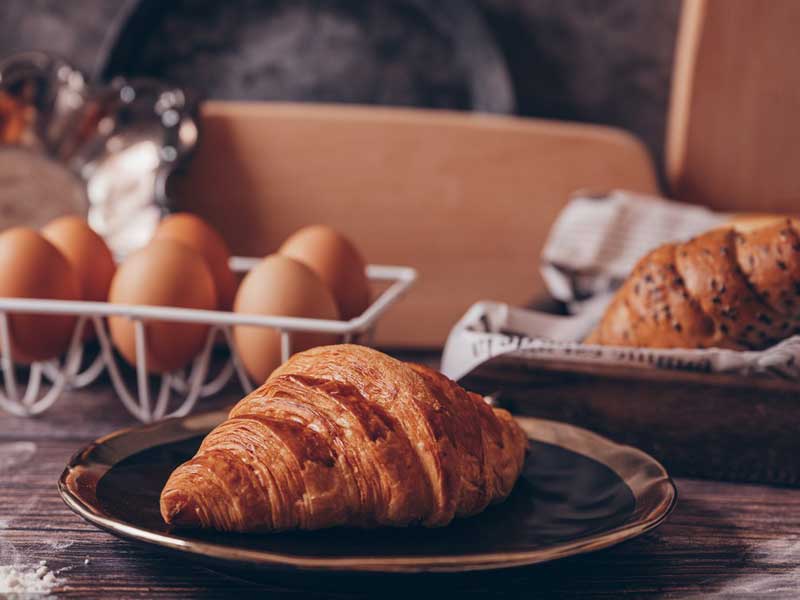
A dough sheeter is primarily used for producing various types of pastries that require layers and a crisp texture. It is suitable for the following types of pastries:

How to Choose the Right Dough Sheeter Based on Production Volume?
What Should I Do if the Thickness of the Dough Is Uneven?
If the thickness of the dough is uneven, the first step is to recalibrate the thickness sensor. The sensor is responsible for detecting and maintaining the desired dough thickness. If it’s misaligned or inaccurate, it can lead to inconsistent results. To recalibrate, follow the machine’s manual or settings guide to reset the sensor to its default or optimal calibration.
Próximo, check the roller pressure balance. Uneven roller pressure can cause areas of the dough to be pressed more than others, leading to inconsistencies. Ensure that both rollers are properly aligned and that their pressure settings are balanced. Si es necesario, adjust the pressure on each roller to ensure even compression of the dough.
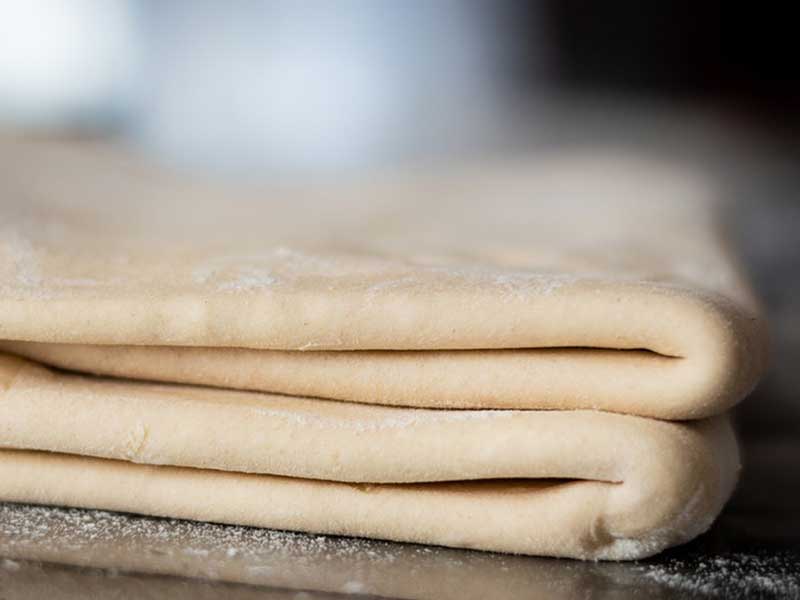
Does the More Folds There Are, The Better the Texture of the Puff Pastry?
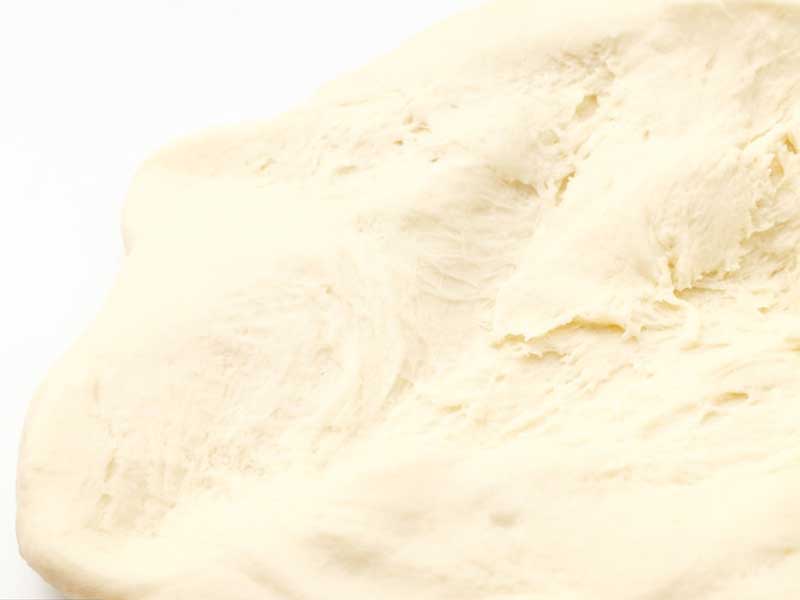
Not absolutely! While folding is crucial for creating the layers in puff pastry, excessive folding can lead to issues. Too many folds may cause the butter layers to become too thin or even crushed, which can affect the texture and quality of the pastry. It is important to find the right balance and adjust the folding process based on the characteristics of the dough. Típicamente, plegable 3-4 times is recommended, as this provides enough layers without overworking the dough, ensuring a light, flaky texture.
How to Handle Dough Adhesion Rollers?
If you are experiencing dough adhesion on the rollers, there are several steps you can take to resolve the issue. Primero, check whether the powder spreading device is functioning properly. The powder helps prevent the dough from sticking to the rollers, so ensure that the device is distributing the powder evenly. Si es necesario, increase the powder spreading amount slightly to create a better barrier between the dough and the rollers.
Próximo, it’s essential to clean the roller surface regularly to remove any dough residue that might have built up. This ensures that the rollers remain smooth and free from any sticky buildup. Además, check the dough temperature—if it’s too warm, the butter within the dough can melt, causing it to stick to the rollers. Make sure the dough is at the optimal temperature before processing to maintain the proper consistency. By addressing these factors, you can minimize dough adhesion and maintain the efficiency of your dough sheeter.
How to Clean and Maintain a Dough Sheeter?
Regular Removal of Dough Residue
Rollers and other parts that come into contact with dough can accumulate dough scraps. Use a scraper to gently remove these residues, ensuring the interior of the machine remains clean.
Check and Clean the Flour Spreading Device
Ensure the flour spreading device is functioning properly. Regularly check and clean the flour dispensing mechanism to prevent clogging, ensuring even distribution of flour and preventing machine jams.
Lubricar piezas mecánicas
Periodically lubricate moving parts such as bearings and gears with appropriate grease to ensure smooth operation and reduce wear.
Check Electrical Components and Safety Features
Monthly, check the power cords, control panels, and safety features to ensure they are functioning correctly, ensuring the safety of the machine during operation.
Avoid Overuse
Avoid using the dough sheeter for extended periods, especially under heavy loads. Continuous operation can accelerate wear on machine components.
Regular Professional Inspections
Occasionally, have professional technicians conduct a thorough inspection and maintenance of the machine, especially for mechanical and electrical components.
Get the Perfect Dough Sheeter Solution with Gondor Machinery
En conclusión, a reliable dough sheeter is essential for achieving consistent quality and efficiency in commercial baking. Whether you’re producing puff pastry, croissants, or other laminated dough products, selecting the right machine and maintaining it properly ensures that your bakery or food processing plant operates smoothly and produces high-quality products.
En Maquinaria Gondor, we offer tailored dough sheeter solutions to meet your production needs. Whether you’re a small bakery or a large-scale food factory, our commercial dough sheeters are designed to enhance your production capacity and product quality.