

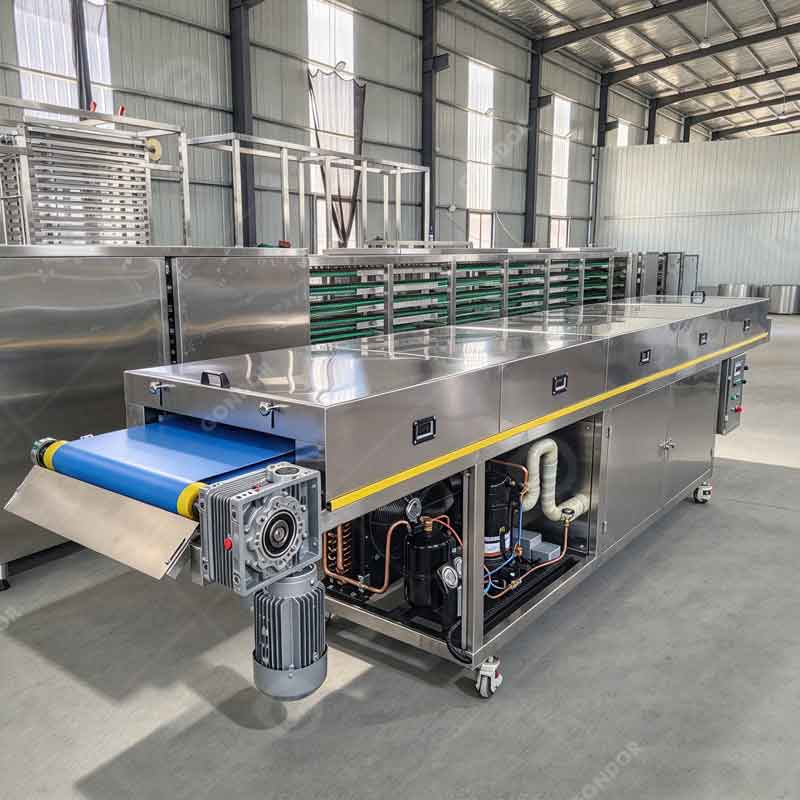

What a Chocolate Cooling Tunnel Actually Does
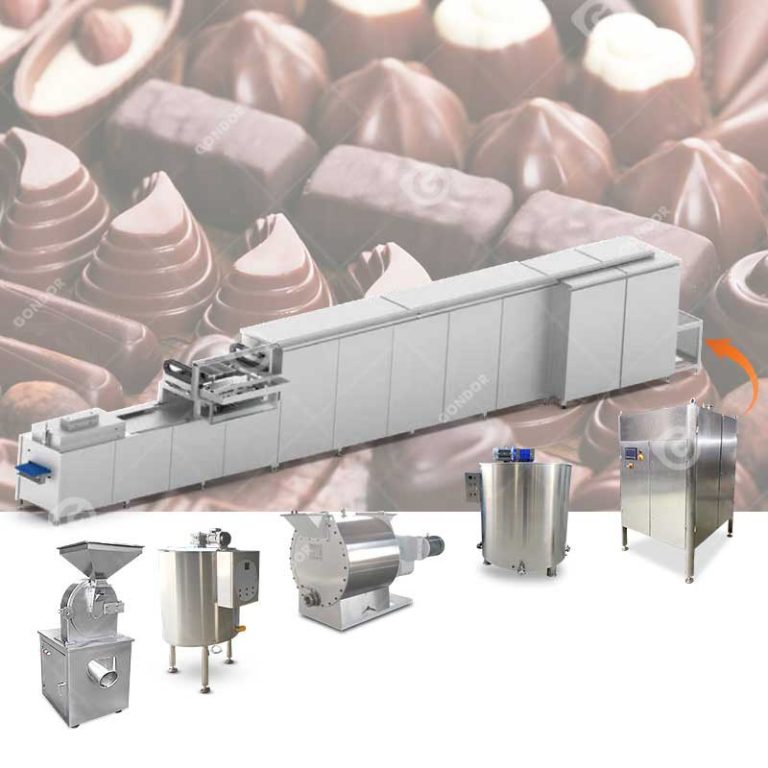
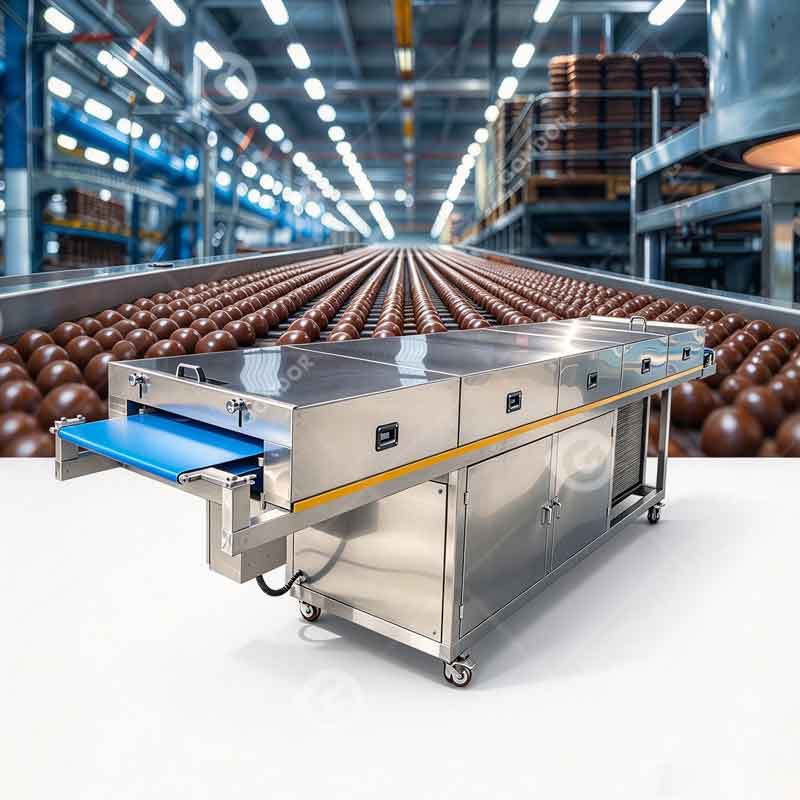
Chocolate cooler tunnel is the core supporting equipment of continuous chocolate production line, but it is also the most easily underestimated link-you put it into temperature regulator, pouring machine and coating machine one by one, but the luster may be quietly lost after entering that rectangular metal tunnel. Think of the chocolate cooler as the last goalkeeper of the production line: ajuste de temperatura, torrencial, and coating all happen in the front section that customers can’t see, and the mirror luster that customers can directly perceive, the crisp crack when breaking, and the neat edge lines are all finally finalized in this several-meter-long channel. It follows the pouring or coating process closely, and takes over from the moment when the product surface is still covered with liquid chocolate, and completes the mission by stepwise gradient temperature control crystallization cooling- letting the liquid chocolate, with precise temperature control, cool down step by step and solidify evenly, instead of being frozen hard. If you do it right, you will get a bright surface, crisp snapping sound, and stable shelf life; Wrong, eso es, crema, formación de hielo, cracks, and matte-finished products.
The three zones that do the work
| Zona | What happens | Why it matters |
| Pre-cooling | Surface heat is pulled off slowly; a thin skin forms | Stops the surface from shrinking fast and cracking |
| Main cooling | Internal heat is drawn out; cocoa butter fully crystallizes | This is where the chocolate actually hardens |
| Re-warm or balance | Temperature lifts slightly at the exit | Closes the gap between core and surface, so no condensation or bloom in room air |
The last zone is the one people forget. Pull cold chocolate straight into a warm, humid room and moisture lands on the surface. That is sugar bloom, on chocolate that was perfect a minute earlier.
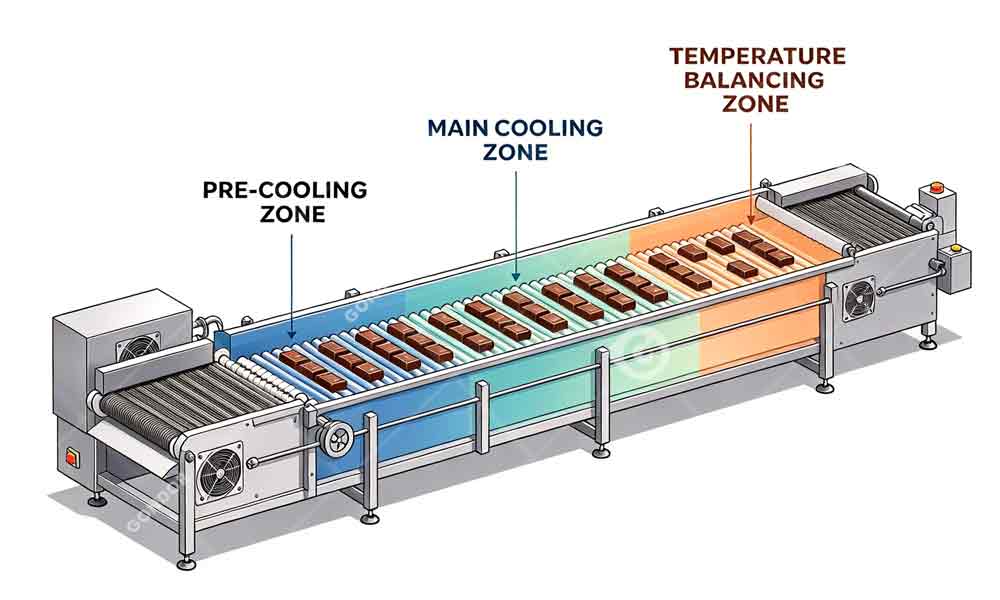
The reason this is built as three steps and not one cold box is chocolate science, not engineering habit. Cocoa butter sets into a stable crystal form only if it loses heat at a controlled rate. Cool it too fast and the wrong crystals form, or the surface locks over a still-soft core. Cool it too slowly, and the temper is lost before the piece sets. The tunnel’s only real job is to hold that rate on target from entry to exit.
Where a Cooling Tunnel Earns Its Place
| Who runs it | What goes through | What the tunnel gives them |
| Chocolate and confectionery plants | Coated biscuits, verja, chocolates, enrobed pieces | Stable gloss, clean demoulding, fewer rejects |
| Coating lines | Product straight off the enrober | A finished surface instead of a soft, marked one |
| Pharma and supplement makers | Tablets or capsules needing fast, even cooling before packing | Controlled temperature at the packaging gate |
Sí, pharma. Any tablet or capsule that must drop to a set temperature before packing runs through the same kind of enclosed cooling conveyor. The physics are the same. Only the product changes.
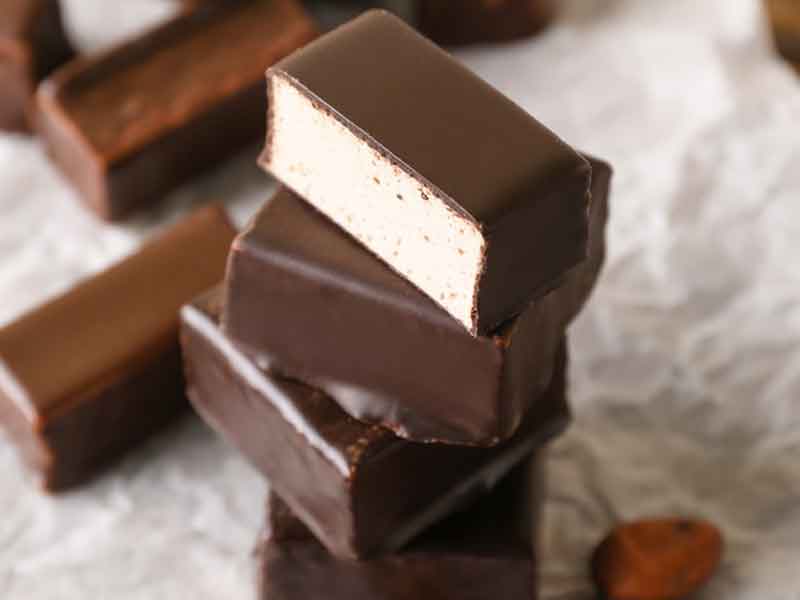
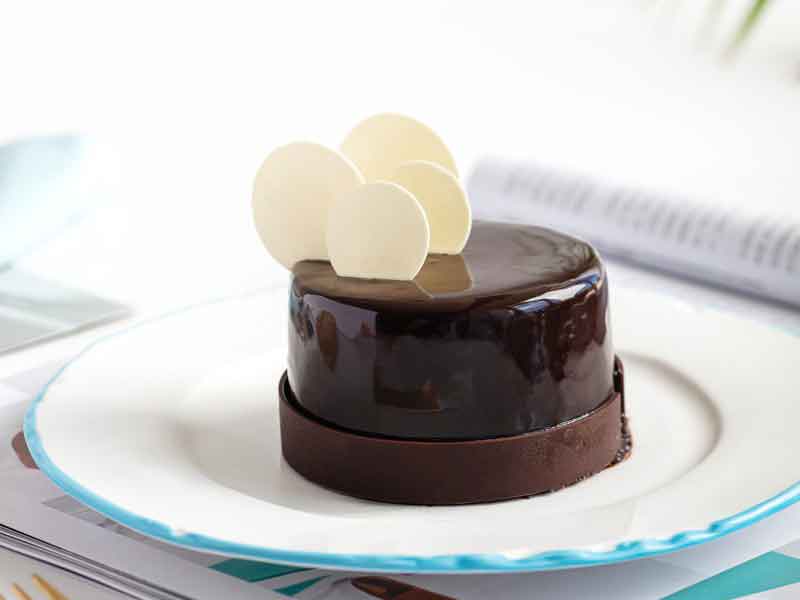

Most enquiries we get are really about one of two things: gloss or rejects. Both are tunnel problems before they are recipe problems. If the surface looks dull, the cooling curve was off. If the box comes back with bloom, the exit zone met humid room air. The fix is rarely a new recipe. It is the tunnel.
The Advantages You Feel on the Floor
The things below are not brochure claims. They are what changes on a production floor once a tunnel is set up right. Most of them show up as fewer rejects and a line that doesn’t need xvwrccv standing at the end ds dlu mistakes by hand.
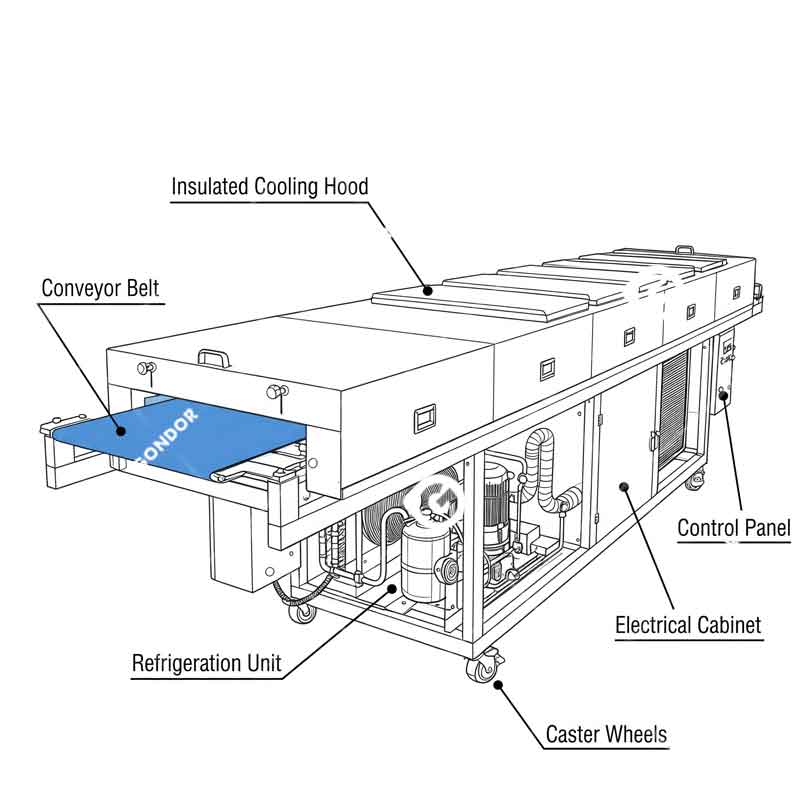
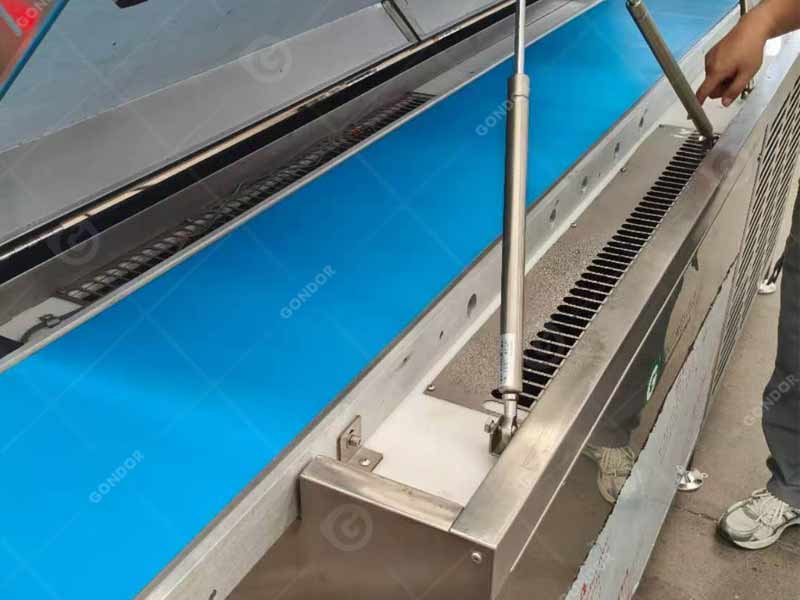
- Even top-and-bottom cooling. Forced cold air from above meets a cooled base below. The product cools from both sides at once, so it does not warp or lock in internal stress.
- A stable crystal, not a lucky one. Each zone is set so the cocoa butter forms the stable beta crystal. That crystal gives chocolate its shine and its snap. The tunnel is what holds the curve that makes that happen.
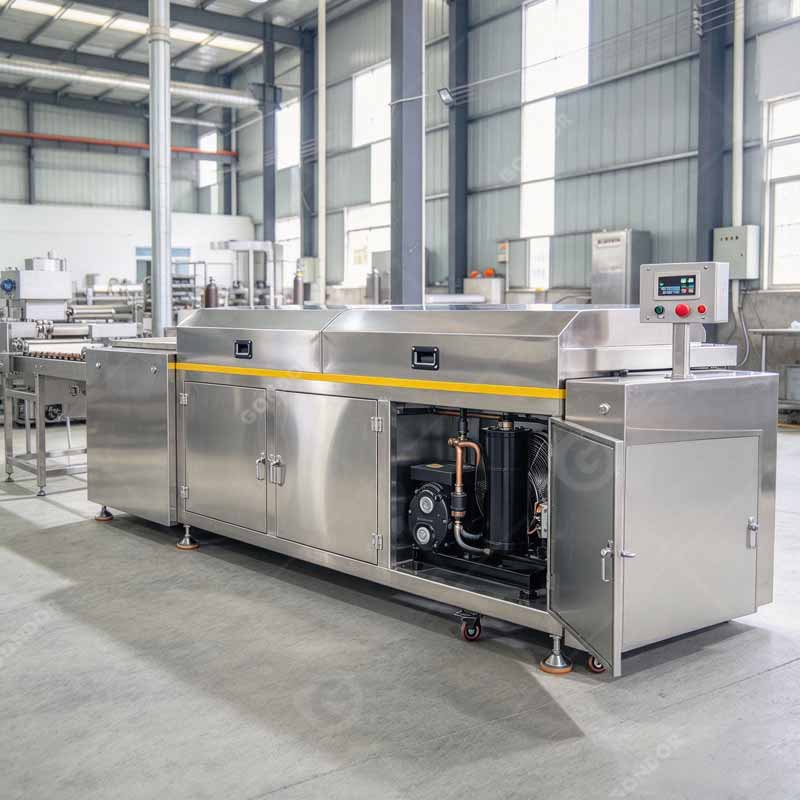
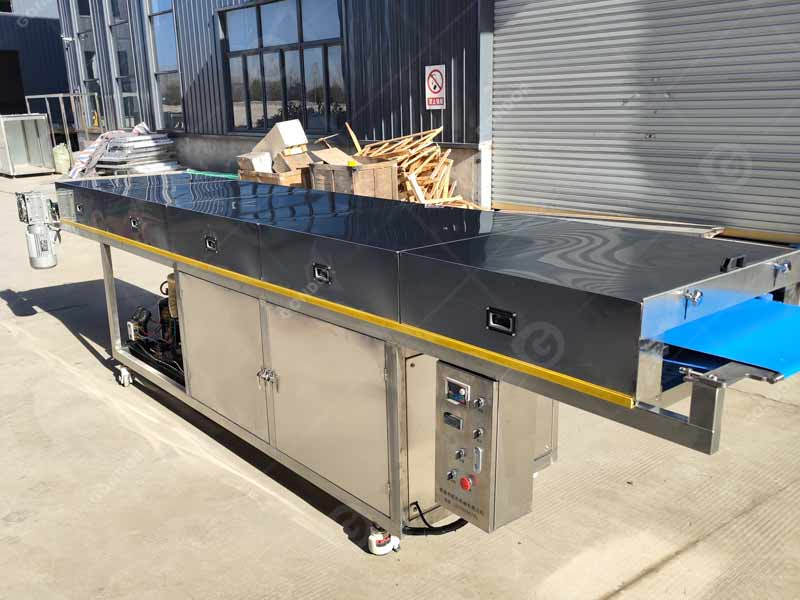
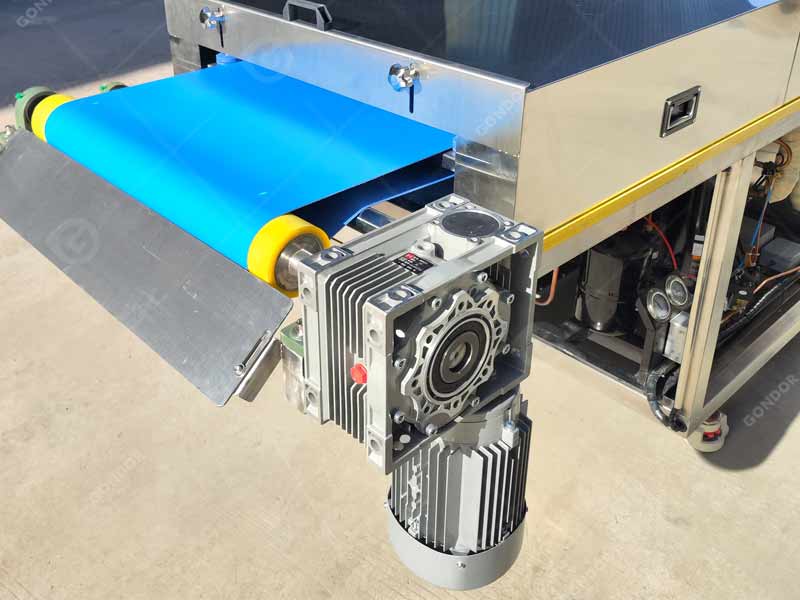
- Food-grade belt, food-grade build. The conveyor belt is food-grade PU. The body is 304 acero inoxidable. Mo sknnv dubb for the wash-down, pegajoso, daily reality of a chocolate plant.
- It lines up with your line. Feed comes in from the enrober. Product leaves toward demoulding and packing. No manual carry between stages.
- Nothing on a wear-parts list. On this machine class, there is no wear-part replacement scheduled. Daily care is a clean belt and a check of the doors, fans and refrigeration.
La gente también pregunta
Is Your Cooling Tunnel Really Ending?
The wrong tunnel was chosen, and the front was all for nothing. There are plenty of chocolate cooling tunnels on the market, but it is hard to find one that can really finish the process for your máquina industrial para templar chocolate y máquina bañadora de chocolate. Only look at three points when choosing: three independent temperature zones, uniform air supply and cooling from top to bottom, and the fuselage with your daily cleaning process as the normal design. If the production line is already suffering from dull luster or frosting, don’t change the formula in a hurry-look at the chocolate cooling machine first. Nine times out of ten, the answer is hidden there. Send us your belt width, tipo de producto, y velocidad de la línea de producción, and we will match the tunnel according to your target stay time, instead of choosing one randomly according to the atlas..