

De mondiale bakkerij-industrie evolueert tegenwoordig snel van conventionele, arbeidsintensieve bakkerijen naar grootschalige bakkerijen, intelligente en volledig geautomatiseerde voedselverwerkingsfabrieken. Stijgende arbeidskosten en steeds strengere consumenteneisen voor uniforme voedselkwaliteit hebben steeds meer voedselverwerkers – en niet alleen multinationale voedselreuzen – ertoe aangezet om hoogefficiënte industriële machines te kopen..
Het is nu een essentiële noodzaak geworden voor de zich uitbreidende voedselfabrieken in de wereld. Echter, Zodra inkoopmanagers de markt betreden, worden ze onmiddellijk geconfronteerd met een overweldigend aanbod aan keuzes: complexe technische specificaties, strakke promotiebrochures en zeer volatiele prijsopgaven.
In deze omgeving van informatie-asymmetrie, het opzoeken van beoordelingen en getuigenissen van leveranciers is een cruciaal kompas voor kopers geworden. Maar kunnen online beoordelingen en fabrieksreputaties de werkelijkheid volledig weerspiegelen?, dagelijkse prestaties van voedselmachines op een chaotische fabrieksvloer?
Nog belangrijker, hoe correleren positieve klantfeedback en industriële reputatie precies met de operationele uptime en servicebetrouwbaarheid van een lijn over een levensduur van vijf jaar?, tien, of zelfs vijftien jaar? Om een echt gezonde investering te doen, we moeten verder kijken dan de oppervlakte en de kerndynamiek van het kiezen van de juiste commerciële baktechnologiepartner doorbreken.
Achter de reputatie: Waarom kopersbeoordelingen het ultieme risicobeperkende instrument voor bakkerijen zijn
Een bekend pijnpunt in de wereld van de inkoop van machines voor de voedingsindustrie is dat wat je ziet in een gecontroleerde omgeving zelden hetzelfde is als wat je ziet op een productievloer onder hoge spanning.. Een broodlijn kan perfect draaien tijdens een droogloop in de showroom van een fabrikant.
Maar zodra het in een echte productieomgeving is – met subtiele veranderingen in de viscositeit van het deeg, omgevingstemperaturen in de werkplaats, en de harde realiteit van 24/7 operaties – Latente ontwerpfouten kunnen snel aan het licht komen. Dit is precies de reden waarom echte beoordelingen van eerdere klanten zo'n waardevol hulpmiddel zijn voor risicovermindering.
Gebruikelijk, het meest objectieve beeld van de werkelijke marktpositie van een leverancier wordt gegeven door feedback van klanten uit het verleden. Een merk dat altijd een sterke positie heeft gehad op het gebied van voedselverwerking vertelt dat ze in veel eerdere installaties ingewikkelde veldvariabelen hebben overwonnen. Anderzijds, slechte recensies of herhaalde klachten duiden vaak op de kern van technische fouten of zelfs erger, slechte klantenondersteuning van de provider.
Nog, in een tijdperk dat verzadigd is van geavanceerde digitale marketing, professionele kopers moeten met een kritische blik naar getuigenissen kijken. Algemeen, Perfect gepolijste recensies geschreven door PR-teams missen vaak technische inhoud. De recensies die echt gewicht in de schaal leggen, zijn de recensies die specifieke productiestatistieken bespreken, detail real-world mechanische knelpunten, en leg precies uit hoe de leverancier deze heeft opgelost.
Gondor Ingenieurinzicht: Bij het controleren van de referenties van leveranciers, kijk verder dan de getuigenissen op hun eigen website. De meest effectieve aanpak is om de contactgegevens op te vragen van ten minste drie actieve klanten die de machines van de leverancier al meer dan drie jaar bedienen. Een fabrikant die vol vertrouwen de deuren opent voor zijn vaste klanten’ Facilities is een fabrikant die achter zijn technische integriteit staat.
Natuurlijk, historische klantbeoordelingen zijn eenvoudigweg een weerspiegeling van het verleden; ze kunnen toekomstige prestaties niet volledig garanderen. Terwijl we de marktreputatie nauwlettend in de gaten houden, slimme ondernemingen moeten hun evaluaties in evenwicht brengen met hardere technische maatstaven: mechanisch constructief ontwerp, de oorsprong en het merk van de kerncomponenten, en de compatibiliteit van de machine met specifieke deegformules.
Het kenmerk van premiumleveranciers: Veel lof die de technische kernkwaliteiten verbergt
Door te kijken naar inkoopgegevens en klantfeedback van bakkerijen wereldwijd, we hebben ontdekt dat de beste leveranciers zich op een aantal belangrijke gebieden consequent onderscheiden:
1. Geavanceerde automatisering en superieure doorvoer
De systemen leveren een naadloze, handenvrij proces van het doseren en mengen van de bloem tot het verdelen van het deeg, afronding, proefdrukken, gieten, pannen, definitieve proefdruk, en bakken. Veel kopers zeggen dat de overstap van een semi-automatische opstelling naar een volledig geïntegreerde lijn de dagelijkse productie aanzienlijk verhoogt en tegelijkertijd de afhankelijkheid van schaarse, bekwame bakkers vermindert.
2. Absolute productkwaliteit en batchconsistentie
Commercieel bakken is een meedogenloze wetenschap. Als het deeg wordt blootgesteld aan overmatige mechanische belasting, wrijving, of hitte tijdens delen en vormen op hoge snelheid, het delicate glutennetwerk valt uiteen, Dit resulteert in dichte kruimelstructuren en ongelijkmatige bakkleuren.
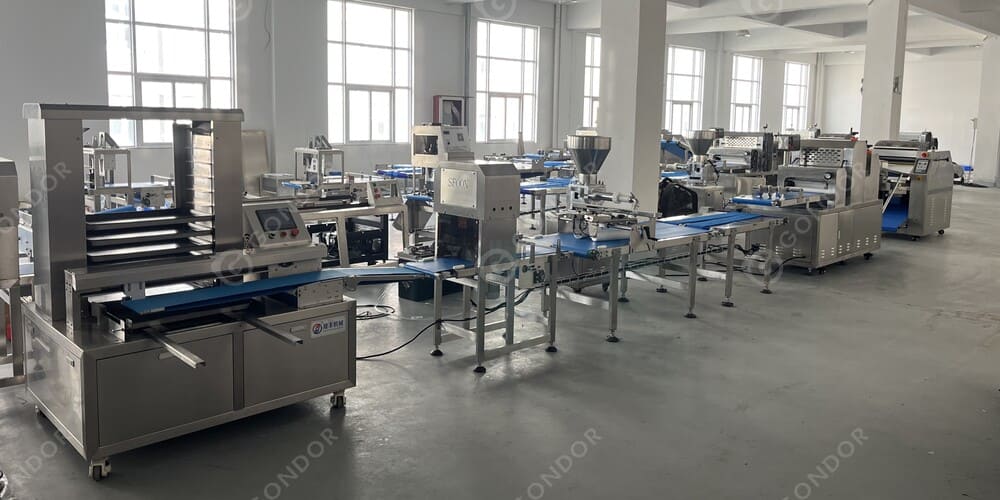
Toonaangevende leveranciers ontwikkelen systemen, vooral voor een high-end vakman brood productielijn– die de zachte aanraking van de handen van een meesterbakker nabootsen. Deze technische balans zorgt ervoor dat fabrieken serieuze doorvoercijfers kunnen behalen zonder de luchtige textuur te verliezen, knapperige korst, en authentieke smaak waar mensen van houden in traditionele broden, stokbrood, en croissantjes.
3. Uitstekende productieflexibiliteit en veelzijdigheid
De smaak van de consument verandert snel. Een fabriek die vandaag premium toast draait, zou morgen moeten overstappen op briochebroodjes of sandwichbroden om een trend te volgen die niemand zag aankomen. Dat is waar een goed modulair ontwerp de moeite waard is: operators kunnen alternatieve vormcomponenten gebruiken en vooraf geconfigureerde parameters op het touchscreen aanpassen, en productwisselingen gebeuren met nauwelijks enige downtime.
4. Merkbare energie- en materiaalbesparing
De energiemarkten zullen niet snel tot rust komen. De thermische isolatie van een bakoven en de motorefficiëntie van de hele lijn vreten beide rechtstreeks aan de nettomarge van een fabriek. Praat met operators die al jaren dezelfde apparatuur gebruiken, en zij zullen het je vertellen: hoogrenderende lijnen stapelen stilletjes echte besparingen op de maandelijkse elektriciteits- en gasrekeningen op.
Het oppervlak onthullen: Veelvoorkomende knelpunten en verborgen risico's in klantfeedback
Geen enkele industriële opstelling is perfect; iedereen die iets anders beweert, verkoopt iets. Wanneer je je verdiept in de neutrale en negatieve recensies die zijn achtergelaten door gefrustreerde kopers, er springt een patroon uit: Voedselproductiefaciliteiten lopen tegen vrijwel dezelfde operationele knelpunten aan, waar ze ook zijn. En deze hoofdpijn verschijnt bijna nooit op de eerste dag. Ze sluipen langzaam naar binnen, na maanden van voluit draaien op hoog volume.
| Kernpijnpunten | Veel voorkomende klachten & Werkelijke prestaties | Potentiële risico's voor langetermijnactiviteiten |
| Installatie & Inbedrijfstelling | Technische teams komen te laat, onverwachte structurele afwijkingen, of de inbedrijfstelling duurt weken. | Productlanceringen worden uitgesteld. Uw faciliteit staat stil, en de overhead- en arbeidskosten stapelen zich dag na dag op. |
| Technische responsiviteit | Een geautomatiseerde lijn valt stil tijdens een nachtelijke piekdienst; het serviceteam van de leverancier is traag of zit vast in een andere tijdzone. | Het deeg blijft te lang zitten en bederft. Verspilde ingrediënten, gemiste leveringen, en boetes van uw particuliere klanten. |
| Beschikbaarheid van reserveonderdelen | Een eigen onderdeel is versleten, en de fabrikant heeft weken nodig om een vervangend exemplaar vanuit het buitenland te verzenden. | De hele lijn komt tot stilstand: duizenden dollars aan verloren dagelijkse inkomsten, dag na dag, totdat het onderdeel eindelijk arriveert. |
| Onderhoudskosten op lange termijn | Machines gebouwd met krap, moeilijk bereikbare hoeken die routinematig schoonmaken tot een absolute hoofdpijn maken. | Onderhoudskosten stijgen, onderdelen slijten sneller, en de apparatuur begint te verouderen lang voordat dat zou moeten. |
| Flexibiliteit van systeemupgrades | Closed-source software-architecturen die niet kunnen worden gekoppeld aan moderne ERP- of MES-beheersystemen in de fabriek. | Isolatie van datatracking, het voorkomen van toekomstige digitalisering van fabrieken en het risico van vroegtijdige veroudering van apparatuur. |
Hier gaat het om al deze klachten: ze kwamen allemaal op dezelfde plek terecht in een fabriek: lange termijn uptime. Voor een commerciële bakkerij die tienduizenden verseenheden per dag pompt, Eén uur ongeplande downtime kan de winst van een hele week wegvagen.
Het is dus geen verrassing dat leveranciers die consistente lof krijgen voor hun snelle servicereactie, solide preventieve onderhoudsprogramma's, en betrouwbare beschikbaarheid van onderdelen kan een premie vragen – en toch wereldwijd klanten blijven winnen.
Voorbij de recensiesectie: Een multidimensionaal raamwerk om een machinefabrikant te evalueren
Als u een productiepartner wilt die uw bedrijf de komende decennia zal ondersteunen, je kunt niet zomaar door online sterbeoordelingen scrollen. Je moet je verdiepen in toekomstige automatisering brood productielijn fabrikanten zoals een industriële auditor dat zou doen.
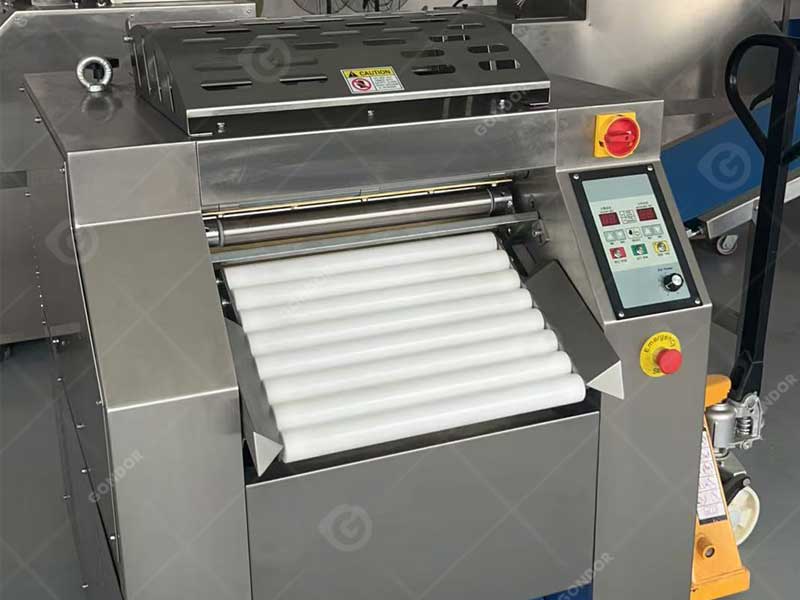
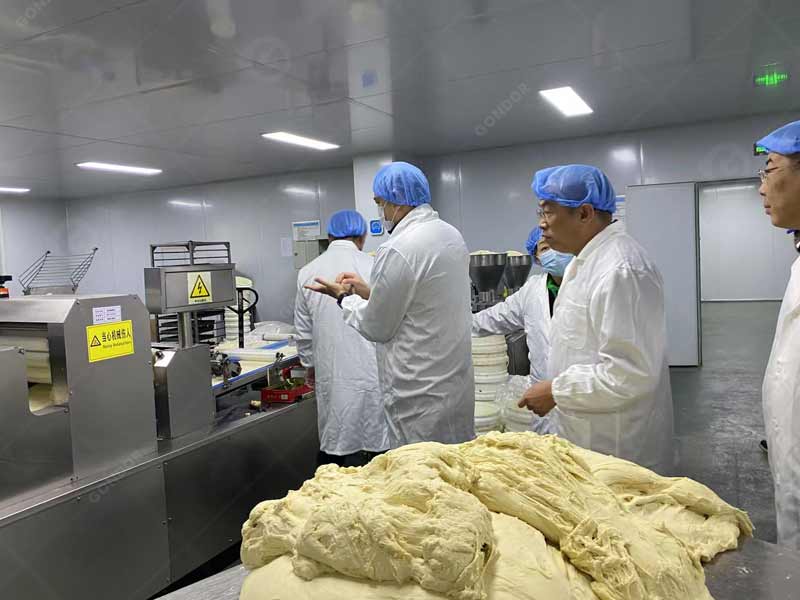
Begin met hoe diep hun gespecialiseerde productie-ervaring reikt. Echte technische kennis kan niet worden vervalst of versneld. Een fabrikant die al tientallen jaren actief is op het gebied van voedselmachines heeft duizenden verschillende meelgedragingen gezien, regionale klimaateigenaardigheden, en lastige fabrieksindelingen – en ze hebben die zwaarbevochten lessen door de jaren heen omgezet in mechanische verbeteringen.
Neem vochtige tropische zones, bijvoorbeeld: Het deeg wordt plakkerig en verandert in een handling-nachtmerrie. Een fabrikant met dat soort kruiden wacht niet tot jij er op de harde manier achter komt. Vanaf het allereerste ontwerp bouwen ze ontvochtigingssystemen en antiaanbaklagen rechtstreeks in de transportbaan.
Volgende, kijk goed naar hun R&D-betrokkenheid. Heeft de leverancier een real, eigen engineering afdeling? Wat besteden ze jaarlijks aan IP en mechanische patenten?? In een tijdperk van slimme productie, zaken als veilige diagnose op afstand, cloudgebaseerde prestatiemonitoring, en waarschuwingen voor voorspellend onderhoud vertellen u of een leverancier daadwerkelijk vooruit denkt, of er alleen maar over praat.
Controleer vervolgens of u een trackrecord heeft dat wordt ondersteund door echte internationale referentiegevallen. Wanneer een machinemerk zijn systemen met succes exporteert naar plaatsen met strenge voedselveiligheids- en elektriciteitsnormen: Europa, Noord-Amerika, het Midden-Oosten – en houdt daar een record aan uptime bij, waaruit blijkt dat hun kwaliteitscontrole aan de mondiale verwachtingen kan voldoen.
Eindelijk, zorg ervoor dat ze dit allemaal ondersteunen met after-salesondersteuning gedurende de levenscyclus. En dan hebben we het niet over een telefoonnummer dat je belt als er iets kapot gaat.
Echte ondersteuning betekent dat de leverancier fungeert als verlengstuk van uw eigen technische team en u door de inrichting van de faciliteit begeleidt, het verzorgen van testen op locatie, uw operators goed trainen, en het up-to-date houden van de software en het stromen van reserveonderdelen. Dat soort end-to-end toewijding zorgt ervoor dat onverwachte downtime op afstand wordt gehouden.
Berekening van de langetermijnrekening: Waarom rendement op investering (ROI) Het is veel belangrijker dan de eerste citaten
Bij de inkoop van een commerciële broodproductielijn, Inkoopteams hebben de neiging zich te fixeren op het nummer vooraf op de offerte. Dat is begrijpelijk: budgetten zijn reëel.
Maar als u de uitgaven gedurende de volledige levensduur van de machine in kaart brengt, het beeld verandert snel: dat initiële prijskaartje gaat meestal alleen maar over 20% van de totale eigendomskosten. De andere 80%? Dat is arbeid, energie, grondstof afval, en routineonderhoud dat maand na maand optelt.
Investeer geld in een high-performance, een nauwkeurig ontworpen geautomatiseerde lijn en de ROI vertellen een heel ander verhaal dan goedkoop kopen en met de vingers kruisen:
* Aanzienlijke verlagingen van de arbeidskosten: Een volledig geautomatiseerd systeem kan een dienst draaien waarvoor vroeger tientallen handarbeiders nodig waren, en deze veilig draaien terwijl twee of drie mensen naar de panelen keken. Alleen al de loonbesparingen – nog afgezien van de administratieve overhead – betalen vaak het prijsverschil binnenin terug 12 naar 24 maanden.
* Geminimaliseerd grondstoffenafval: De nauwkeurige deegverdeling en elektronische weging houden de variatie in de porties klein. Een paar gram deeg per brood besparen klinkt zinloos totdat je het over miljoenen eenheden per jaar vermenigvuldigt – dan blijven het duizenden dollars aan grondstoffenkosten die in je zak blijven in plaats van in de prullenbak.
* Verhoogde algehele effectiviteit van apparatuur (OEE): Betrouwbaar, Goed gebouwde machines zorgen ervoor dat productieruns niet blijven stoppen. Uw fabriek blijft draaien terwijl concurrenten midden in de dienst bezig zijn met het oplossen van problemen met wat er deze keer net kapot is gegaan. Die uptime is een marktvoordeel dat u daadwerkelijk kunt meten.
Wanneer u wereldwijde inkoophubs voor industriële bakmachines evalueert, Het nastreven van een Chinese broodproductielijn is de standaardbeweging geworden voor internationale voedselmerken die weten wat ze doen. De toeleveringsketens van de regio, productie schaal, en de snelle toepassing van slimme automatisering zorgen voor een prestatie-waardeverhouding die nergens anders te verslaan is.
Precies in het centrum van die verschuiving, Gondor-machines combineert serieuze techniek met praktische kennis op het gebied van voedselverwerking. We beschouwen elke positieve klantrecensie als een verplichting die we moeten nakomen: uptime, betrouwbaarheid, het hele ding.
Daarom bouwt Gondor Machinery geautomatiseerde broodproductielijnen die efficiënt zijn, stabiel, en volledig aanpasbaar, met een wereldwijd servicenetwerk dat daadwerkelijk de telefoon opneemt.
Van de eerste zachte aanraking met het deeg tot het supersnel verpakken aan het einde van de lijn, Gondor Machinery ontwerpt elk systeem rond uw langetermijndoelstellingen op het gebied van winstgevendheid en automatisering, zodat uw levensmiddelenbedrijf zijn concurrentievoordeel behoudt in een markt die niet stilstaat.