


Почему арахисовое масло и джем всегда сравнивают?
Будь то тост на завтрак в Китае или классический ПБ&Дж (бутерброд) в Европе и Америке, арахисовое масло и джем почти всегда появляются вместе. Многие люди интуитивно думают, “Один сделан из бобов, а другой сделан из фруктов,” но если присмотреться к сырью, питание, вкус, использует, и даже промышленные производственные процессы, различия между ними на самом деле весьма значительны.
Для предприятий пищевой промышленности или готовящихся к развертыванию линия по производству арахисового масла, понимание характеристик этих двух типов спредов поможет вам спланировать структуру вашего продукта., конфигурация оборудования, и позиционирование на рынке.
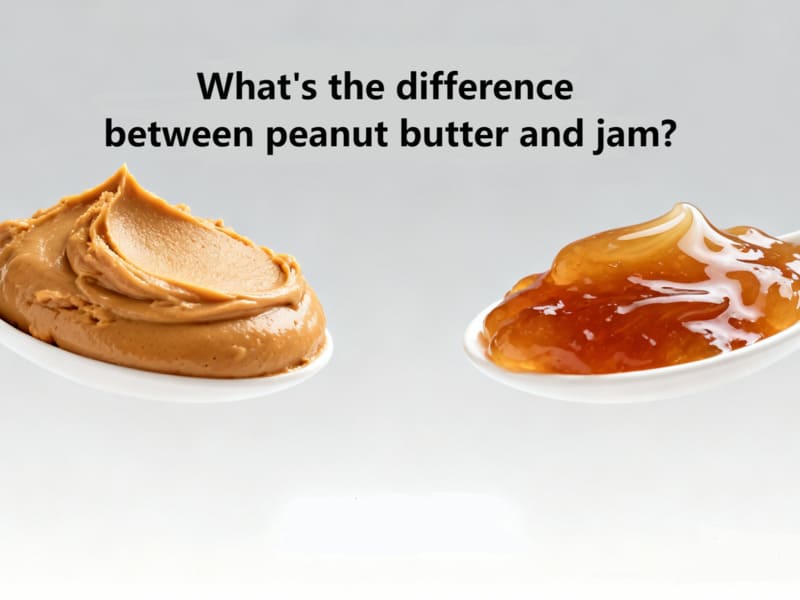
Арахисовое масло против джема
В пищевой промышленности, арахисовое масло и джем — две распространенные пасты, но они существенно отличаются во многих аспектах, включая производственные процессы и состав ингредиентов. Ниже приведены 6 различия между арахисовым маслом и джемом.
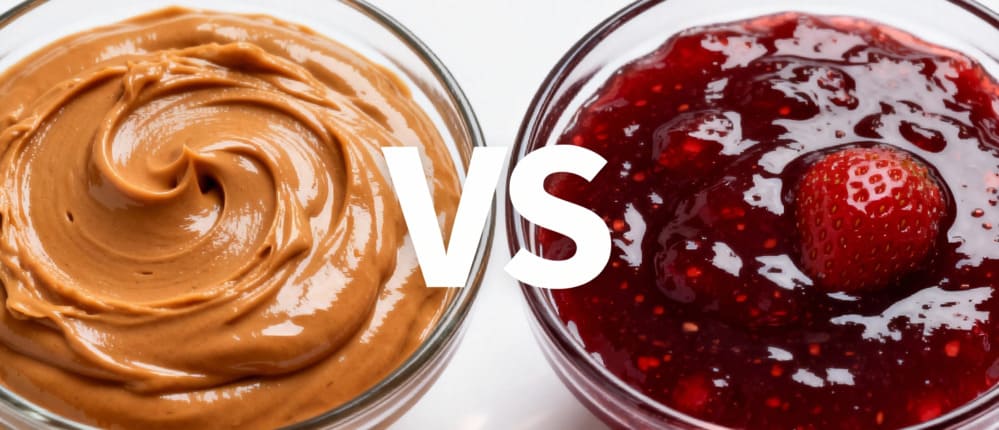
1. Сырье и производственный процесс: Ореховое масло против. Фруктовые продукты
Арахисовое масло: Жареный арахис + Шлифование + Смешивание
Сырье: В первую очередь ядра арахиса. Этот процесс обычно включает шелушение и просеивание., с последующей обжаркой, охлаждение, и пилинг, перед измельчением и ароматизацией. Его основные характеристики – высокое содержание белка., высокое содержание полезных жиров, и толстый, растекающаяся текстура.
Ингредиенты: Различные бренды могут добавлять небольшое количество растительного масла и соли., а некоторые могут также добавлять сахар или стабилизаторы для улучшения вкуса и сыпучести..
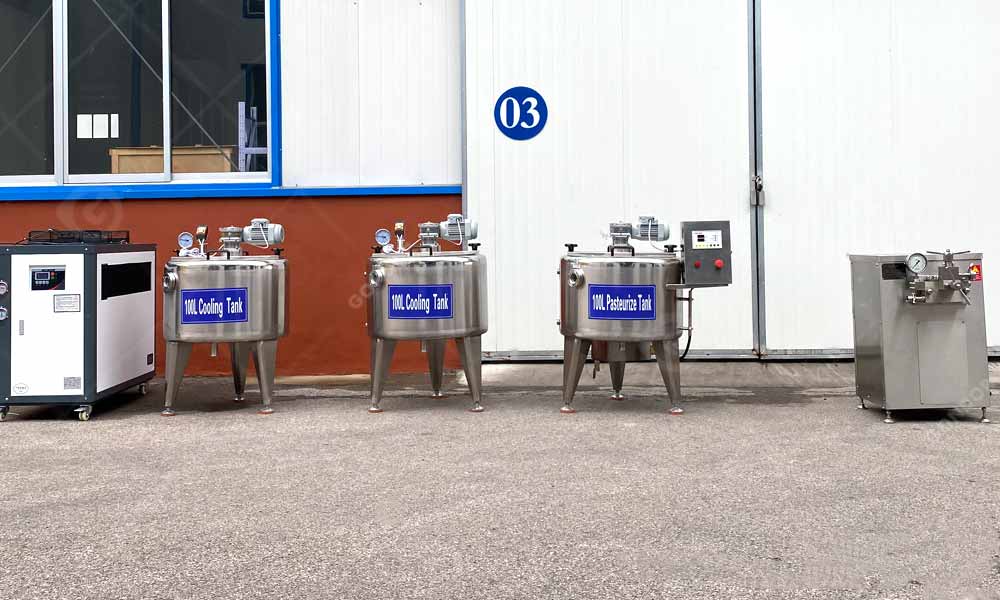
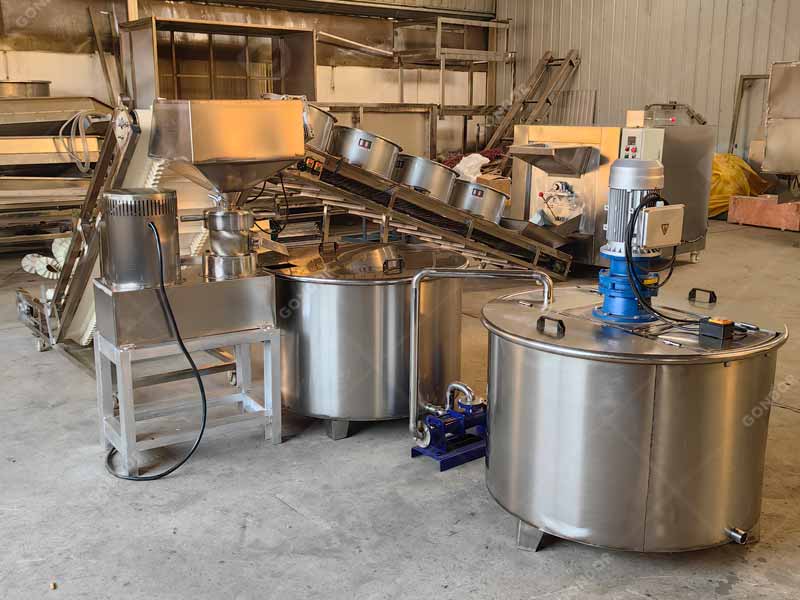
Процесс: В промышленном производстве, Полная линия по производству арахисового масла обычно состоит из такого оборудования, как ростеры., охладители, овощечистки, сортировочные конвейеры, коллоидные мельницы/измельчительные машины, смесительные баки, резервуары для вакуумной дегазации, резервуары для хранения, и разливочные машины, достижение непрерывного и стандартизированного производства.
Другими словами, арахисовое масло по сути “мелко измельченная ореховая паста,” а линия по производству арахисового масла превращает сырой арахис в стабильный, гладкий, и долгосрочный товарный продукт.
Варенье: Фрукты + Сахар + Пектин + Нагревание и концентрация
Ингредиенты: В первую очередь различные фрукты, такие как клубника., черника, апельсины, и виноград, с добавлением сахара. В некоторых рецептах пектин добавляется для образования гелевой структуры.. Он основан на естественной кислотности фруктов и желирующем эффекте пектина, образуя полутвердое состояние.. Имеет высокое содержание сахара и сладкий вкус., мягкий вкус.
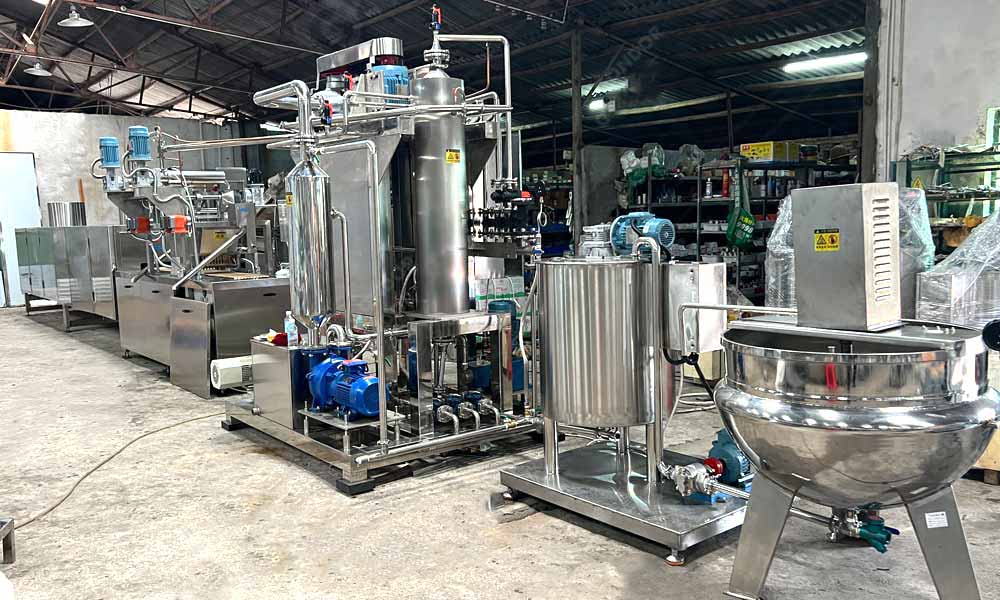
Процесс: Типичный процесс включает в себя мытье и измельчение. (или варка целлюлозы) фрукты, затем нагреваем его с сахаром и пектином до определенной концентрации, с последующим горячим заполнением и охлаждением для застывания.
Характеристики: Приготовление при высокой температуре стерилизует и продлевает срок хранения., но также вызывает некоторую потерю термочувствительных витаминов, сохраняя при этом фруктовый вкус и цвет.
С точки зрения обработки, арахисовое масло скорее “измельченный продукт,” в то время как варенье - это “цукаты.”
2. Различия в производственных процессах и оборудовании
Это самое существенное различие между двумя, с участием различных линий оборудования для пищевой промышленности.
3. Текстура и вкус: Чокнутый против. Фруктовая сладость
Арахисовое масло
- Плотная и гладкая текстура, обычно доступен в “гладкий” и “хрустящий” сорта.
- Вкус: Насыщенный аромат жареных орехов, некоторые с легкой карамелизацией.
Варенье
- В основном толстый, мягкий, гелеобразная текстура, иногда содержит кусочки фруктов или семян, напоминающий “фруктовое желе” последовательность.
- Вкус: Преимущественно фруктовый, кисло-сладкий, с более выраженной сладостью и освежающим ароматом.
4. Пищевая композиция: Высокое содержание белка & С высоким содержанием жира против. Высокий сахар & С низким содержанием жира
С точки зрения этикетки пищевой ценности, у них совершенно разная структура питания.
5. Различия в сценариях использования и сочетаниях
Арахисовое масло:
Обычно встречается в тостах, бутерброды, печенье, овсянка, смузи, и т. д., или в качестве закуски с палочками сельдерея или ломтиками яблока.
Варенье:
Чаще всего используется в тостах, хлеб, йогурт, начинки для торта, начинки для печенья, и т. д., больше склоняюсь к "десертный" использовать.
В разработке продукта, вы также можете создать "композитные изделия," например арахисовое масло + комбинированные баночки для варенья, сэндвич-печенье, и т. д., позволяя двум вкусам дополнять друг друга.
6. Значение линии оборудования для производства арахисового масла
Существенная разница между арахисовым маслом и ореховым маслом заключается в том, что арахисовое масло в большей степени зависит от полного, специализированная производственная линия для обеспечения стабильного качества и высокой производственной мощности..
Современная линия по производству арахисового масла обычно включает в себя несколько этапов.: обжарка арахиса, охлаждение, шелушение, сортировка, грубое/тонкое измельчение, смешивание (добавление соли, сахар, масло, и т. д.), вакуумная дегазация, гомогенизация, наполнение, и упаковка.
Полная линия оборудования для производства арахисового масла помогает фабрикам:
- Контролируйте размер частиц и реологические свойства для получения гладкого или крупного арахисового масла.;
- Увеличьте срок хранения и безопасность пищевых продуктов за счет вакуумной дегазации., стерилизация, и герметичная начинка;
- Достичь однородности партии, соответствие стандартам качества экспортных и крупных супермаркетов.