Wie wir wissen, Nur wenige Menschen verstehen wirklich den komplizierten Prozess, der erforderlich ist, um rohen Kakao in weichen Kakao zu verwandeln, reichhaltige Schokolade, die wir konsumieren. Und der Prozess der Schokoladenherstellung erfordert Präzision, Sachverstand, und hochwertige Ausrüstung, um Effizienz und Konsistenz zu gewährleisten. Jede Etappe, Von der Ernte der Kakaobohnen bis zum Temperieren und Formen, wirkt sich direkt auf die Textur aus, schmecken, und Aussehen des Endprodukts. Als professioneller Hersteller, Gondor ist auf die Bereitstellung fortschrittlicher Lebensmittelverarbeitungsmaschinen spezialisiert, die den Prozess der Schokoladenherstellung verbessern, Präzision gewährleisten, Konsistenz, und Effizienz. Unten, Wir beantworten häufig gestellte Fragen zum Kakaoprozess zu Schokolade, welches wesentliche Produktionsschritte abdeckt, Ausrüstungsempfehlungen, und Expertenwissen, um Schokoladenherstellern bei der Verbesserung ihrer Abläufe zu helfen.
Der Kakaoprozess zur Schokolade: Wichtige Schritte in der Produktion
Was sind die wichtigsten Schritte im Prozess der Schokoladenherstellung?? Vom Kakaobaum bis zum Schokoriegel, die Umwandlung von Kakaobohnen in reichhaltige, Geschmackvolle Schokolade erfordert mehrere entscheidende Schritte. Jede Phase im Schokoladenherstellungsprozess spielt eine entscheidende Rolle bei der Definition der Textur, schmecken, und Qualität. Lassen Sie uns die wichtigsten Schritte bei der Schokoladenproduktion erkunden.
Kakaofrüchte werden in tropischen Regionen wie Ghana und Ecuador geerntet. Die darin enthaltenen Bohnen werden fermentiert, um die Bitterkeit zu reduzieren und reichhaltige Schokoladenaromen zu entwickeln.
Durch das Rösten verstärken sich Aroma und Geschmack. Anschließend werden die Bohnen zu Kakaomasse gemahlen, die Basis für alle Schokoladenprodukte.
Zur Gewinnung von Kakaobutter wird Kakaomasse gepresst (in Schokolade verwendet) und Kakaopulver (beim Backen verwendet).
Kakaomasse wird mit Zucker vermischt, Milchpulver, und andere Zutaten. Das Temperieren stabilisiert die Kakaobutter, Gewährleistung einer reibungslosen, glänzendes Finish.
Schokolade wird zu Riegeln oder Pralinen geformt, Anschließend wird es verpackt, um die Frische zu bewahren und vor Feuchtigkeit und Temperaturschwankungen zu schützen.
Rohstoffe & Schokoladensorten
Wie beeinflussen verschiedene Kakaobohnensorten den Schokoladengeschmack??
Kakaobohnen gibt es in drei Hauptsorten, jedes mit einzigartigen Eigenschaften:
Fremder: Die am häufigsten verwendete Sorte, bekannt für seine Stärke, kräftiger Geschmack.
Kreolisch: Selten und geschätzt für sein feines Aroma und seinen delikaten Geschmack, Wird häufig in Premium-Schokoladen verwendet.
Trinitarier: Eine Mischung aus Forastero und Criollo, bietet ein ausgewogenes Verhältnis von Geschmack und Widerstandsfähigkeit.
Was sind die Unterschiede zwischen Dark, Milch, und weiße Schokolade?
Dunkle Schokolade: Reich an Kakaofeststoffen, mit weniger Zucker und ohne Milch, was zu einem intensiven Geschmack führt.
Vollmilchschokolade: Enthält Milchpulver für eine cremigere Konsistenz, glattere Textur.
Weiße Schokolade: Hergestellt aus Kakaobutter ohne Kakaobestandteile, gib ihm eine Süße, reichhaltiger Geschmack.
Der Prozess der Schokoladenherstellung: Wichtige Produktionsfaktoren
Warum ist das Temperieren bei der Schokoladenherstellung wichtig??
Das Temperieren stabilisiert die Kakaobutterkristalle, sorgt für ein glänzendes Finish, glatte Textur, und verlängerte Haltbarkeit. Ohne richtige Temperierung, Schokolade kann Fettreif entwickeln, Dadurch entsteht ein unschöner weißlicher Belag.
Wie können Hersteller die Viskosität von Schokolade kontrollieren??
Die Viskosität der Schokolade hängt vom Kakaobuttergehalt und den Raffinierungstechniken ab. Einsatz hochwertiger Veredelungsmaschinen, wie Kugelmühlen und Fünfwalzen-Refiner, hilft dabei, die gewünschte Konsistenz für verschiedene Anwendungen zu erreichen.
Wie wird eine glatte Schokoladentextur erreicht??
Industrielle Schokoladenhersteller verwenden fortschrittliche Mahl- und Veredelungsmaschinen, um die Partikelgröße auf Mikrometerebene zu reduzieren, sorgt für eine luxuriös glatte Textur.
Welche Rolle spielt das Verhältnis von Kakaobutter zu Kakaopulver??
Ein höherer Kakaobuttergehalt sorgt für eine glattere Konsistenz, zartschmelzende Schokolade, während mehr Kakaopulver die Intensität und Bitterkeit erhöht.
Welche Ausrüstung ist im Prozess der Schokoladenherstellung unerlässlich??
Die Schokoladenherstellung erfordert spezielle Maschinen, um Effizienz und Konsistenz zu gewährleisten:
Röstmaschinen: Kakaobohnengeschmack entwickeln.
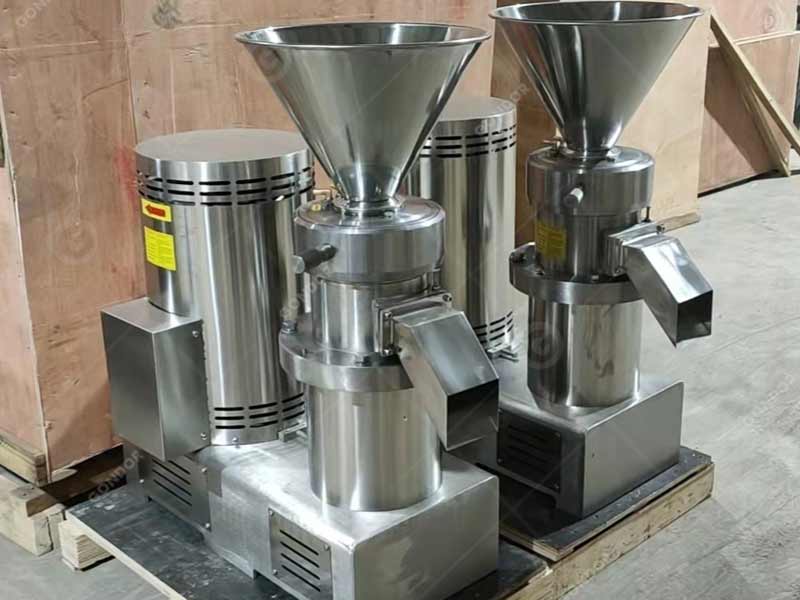
Schleifmaschinen: Bohnen in Kakaomasse umwandeln.
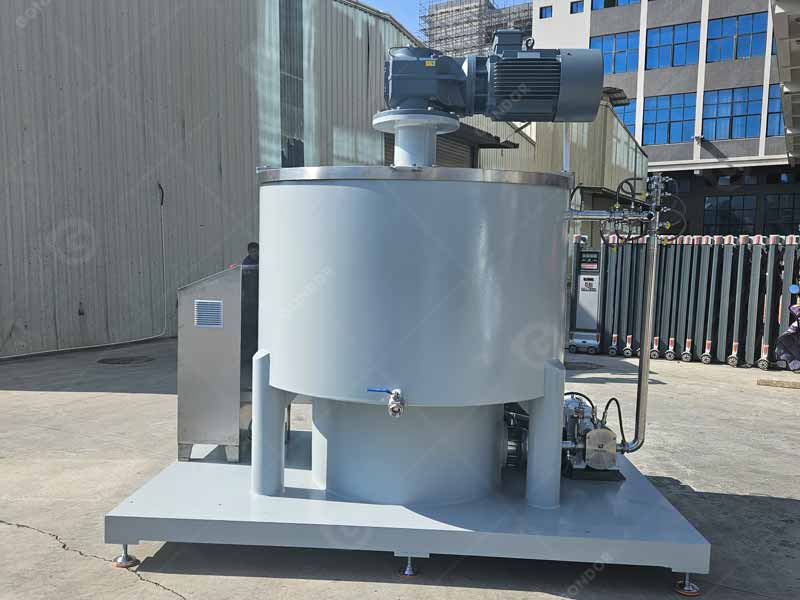
Veredelungsmaschinen: Reduzieren Sie die Partikelgröße und verbessern Sie die Textur.
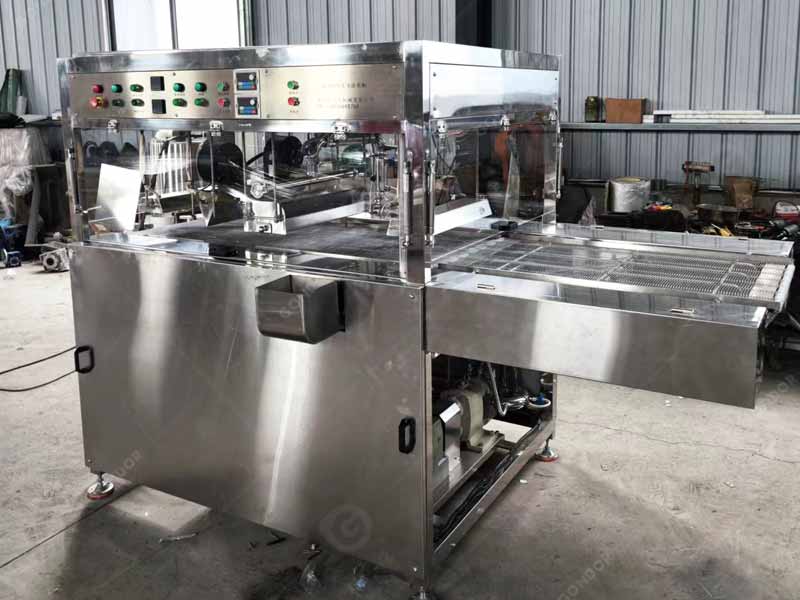
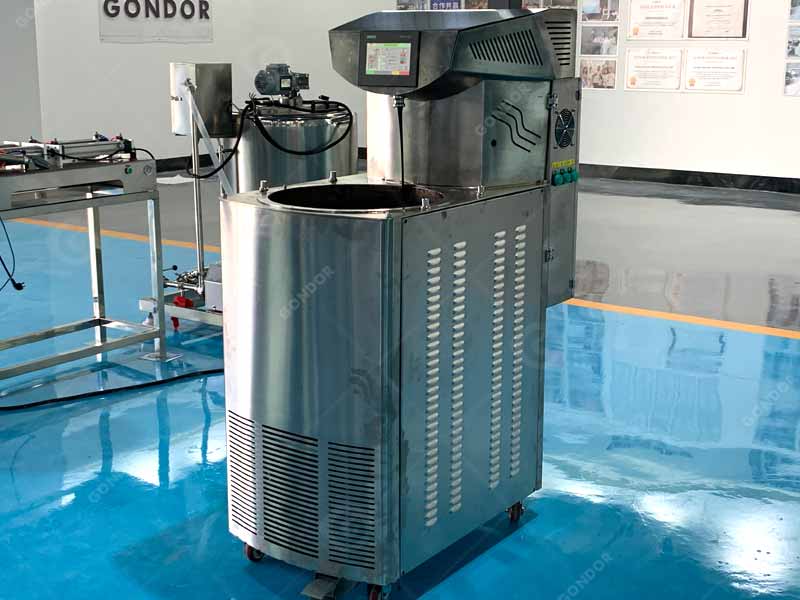
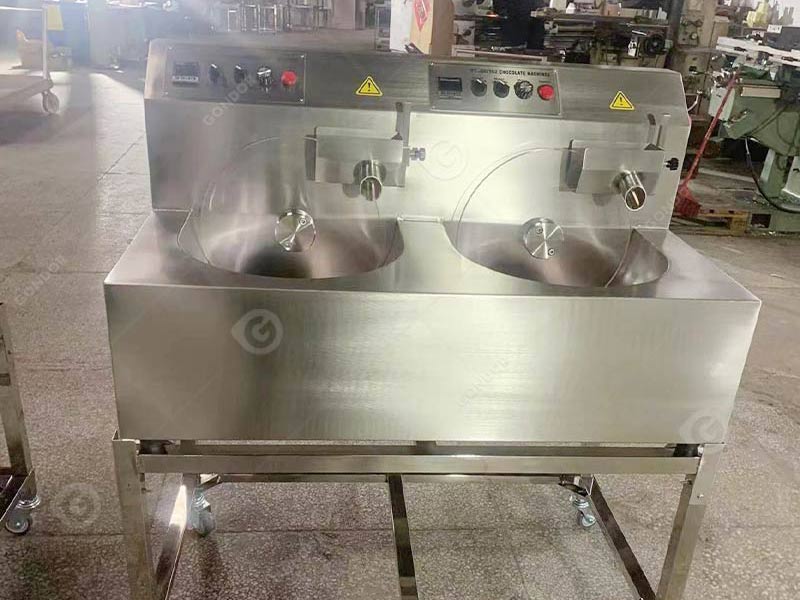
Temperiermaschinen: Stabilisiert die Schokoladenstruktur.
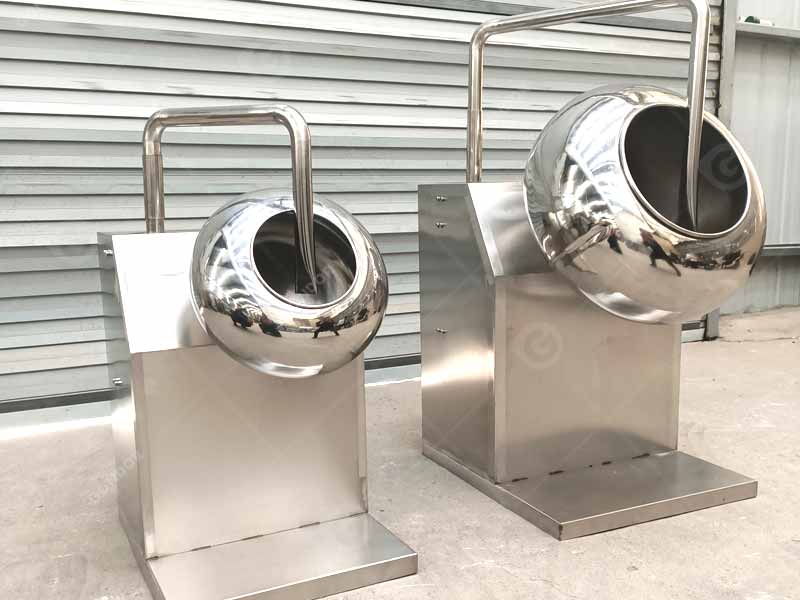
Formmaschinen: Schokolade zu Riegeln formen, Pralinen, oder Beschichtungen.
Wie können fortschrittliche Maschinen den Prozess der Schokoladenherstellung verbessern??
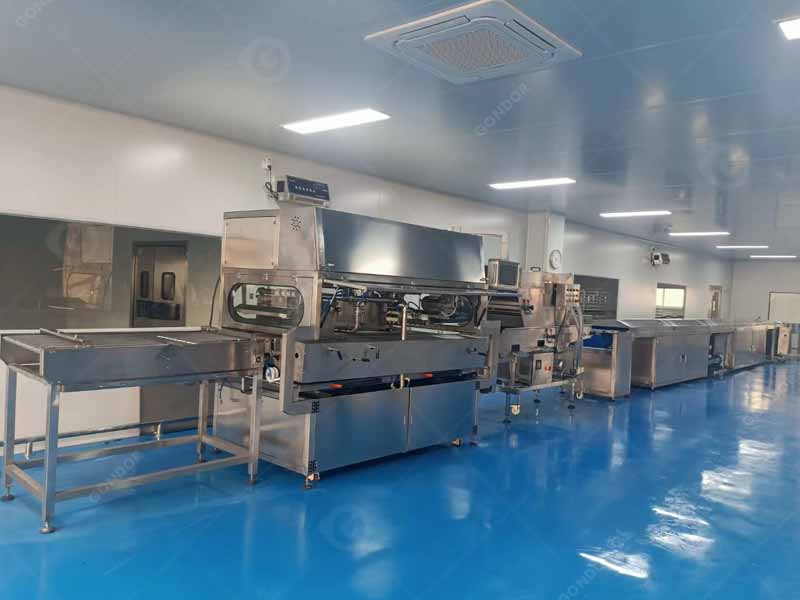
Hochwertige Ausstattung sorgt für Effizienz, Konsistenz, und überlegene Produktqualität. Zu den Lösungen von Gondor Machinery gehören::
Präzise Schleif- und Veredelungsmaschinen für ultraglatte Texturen.
Intelligente Temperiersysteme für die perfekte Kristallisation der Kakaobutter.
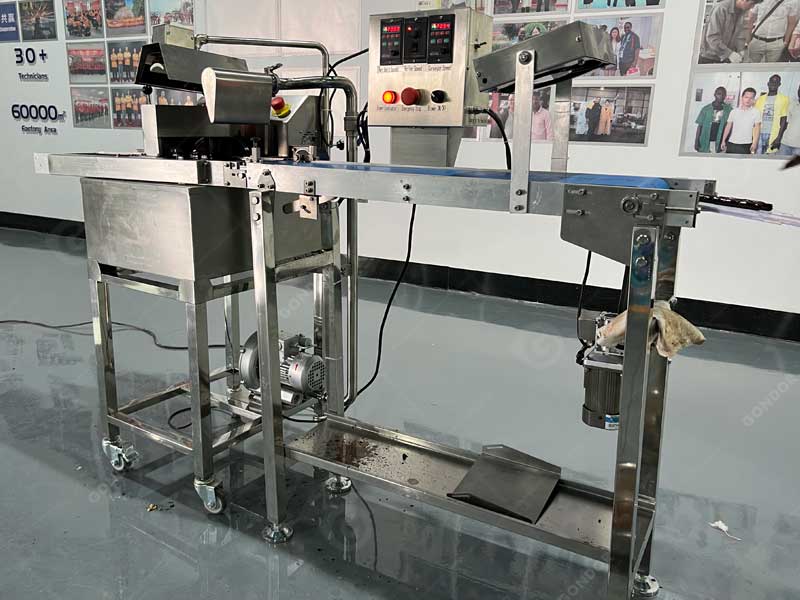
Automatisierte Produktionslinien zur Verbesserung der Effizienz und Aufrechterhaltung der Qualität.
Wie kann Gondor Machinery dabei helfen, meine Schokoladenproduktion zu optimieren??
Bei Gondor Machinery, Wir bieten maßgeschneiderte Lösungen für Schokoladenhersteller, Egal, ob Sie ein kleiner handwerklicher Chocolatier oder ein Großproduzent sind. Unser Expertenteam hilft Ihnen gerne dabei, den Prozess der Schokoladenherstellung mit modernster Technologie zu optimieren. Sie möchten Ihre Schokoladenproduktion verbessern? Kontaktieren Sie Gondor Machinery noch heute und entdecken Sie, wie unsere fortschrittliche Ausrüstung Ihr Unternehmen auf die nächste Stufe heben kann!
Unser technisches Team bietet Ihnen rund um die Uhr (24/7) Support mit schnellen Reaktionszeiten, So erhalten Sie eine umfassende Beratung zu unseren Produkten und profitieren von unserem umfassenden Engineering-Know-how. Wir engagieren uns für die Unterstützung Ihres Unternehmens, unabhängig davon, ob Sie eine Bestellung bei uns aufgeben.
Um die besten Erlebnisse zu bieten, Wir verwenden Technologien wie Cookies, um Geräteinformationen zu speichern und/oder darauf zuzugreifen. Wenn Sie diesen Technologien zustimmen, können wir Daten wie das Surfverhalten oder eindeutige IDs auf dieser Website verarbeiten. Nichteinwilligung oder Widerruf der Einwilligung, kann bestimmte Merkmale und Funktionen beeinträchtigen.
Funktional
Immer aktiv
Die technische Speicherung oder der Zugriff ist für den legitimen Zweck unbedingt erforderlich, die Nutzung eines bestimmten, vom Abonnenten oder Nutzer ausdrücklich gewünschten Dienstes zu ermöglichen, oder zum alleinigen Zweck der Durchführung der Übermittlung einer Kommunikation über ein elektronisches Kommunikationsnetz.
Präferenzen
Die technische Speicherung oder der Zugriff ist für den legitimen Zweck der Speicherung von Präferenzen erforderlich, die nicht vom Abonnenten oder Benutzer angefordert werden.
Statistiken
Die technische Speicherung bzw. der Zugriff dient ausschließlich statistischen Zwecken.Die technische Speicherung bzw. der Zugriff dient ausschließlich anonymen Statistikzwecken. Ohne Vorladung, freiwillige Einhaltung seitens Ihres Internetdienstanbieters, oder zusätzliche Aufzeichnungen von Dritten, Informationen, die zu diesem Zweck gespeichert oder abgerufen werden, können in der Regel nicht dazu verwendet werden, Sie zu identifizieren.
Marketing
Die technische Speicherung bzw. der Zugriff ist zur Erstellung von Nutzerprofilen für den Versand von Werbung erforderlich, oder um den Benutzer auf einer Website oder über mehrere Websites hinweg für ähnliche Marketingzwecke zu verfolgen.