


A fruit sorting machine is used to classify fruit according to characteristics such as size and weight. It is widely used in commercial fruit packing and processing lines.
Different machines vary in sorting methods, suitable fruit types, and processing capacity. Choosing the right equipment requires more than considering grading criteria; buyers should also evaluate actual throughput, fruit damage risks, and production line requirements.
What are the main types of fruit sorting machines? What is the difference between size sorting and weight sorting? How can you choose the right machine based on fruit type, grading requirements, and actual processing volume? This guide compares common types of fruit sorting machines, explains their key differences, and outlines essential selection criteria and pre-purchase testing considerations to help you make an informed purchasing decision.
What Is the Difference Between Fruit Sorting and Grading?
Fruit sorting usually refers to dividing fruits into different groups according to certain specified attributes; Fruit grading usually involves classifying fruits into different grades according to size, Gewicht, quality or other commercial standards.
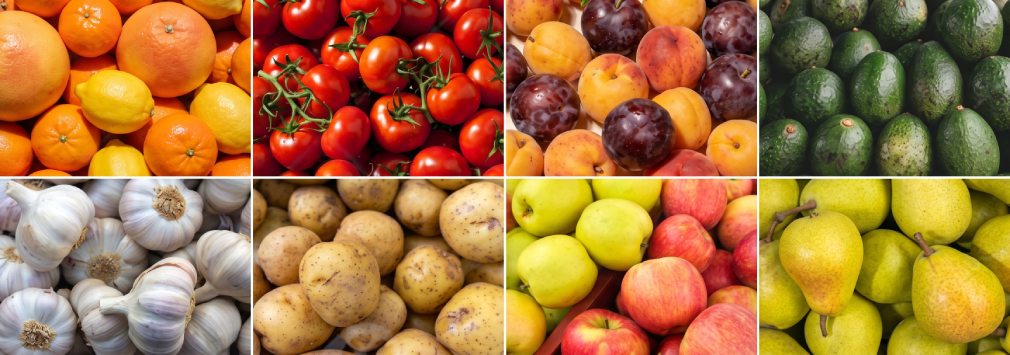
Zum Beispiel, a fruit packaging factory may need to divide apples into several specifications according to their sizes before packaging them. Another kind of production enterprise may pay more attention to the weight of a single fruit to meet specific product specifications or packaging requirements.
How Do Fruit Sorting Machines Work?
Although the structure of different machines have different designs, most fruit sorting systems include feeding, conveying, separating and discharging.
- Size sorting: Divide fruits into different specifications according to their diameter, size or geometric characteristics.
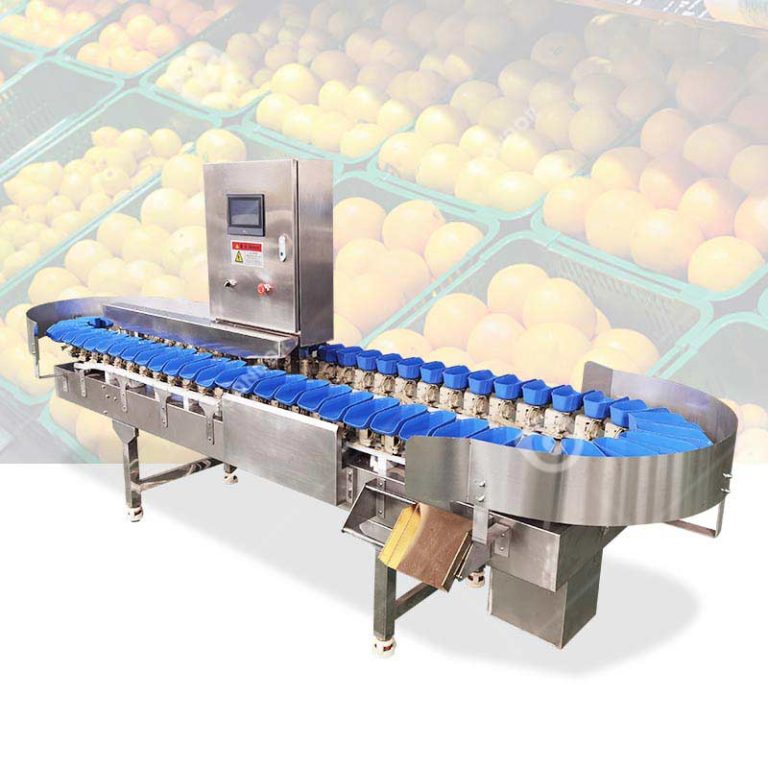
- Weight sorting: measure the weight of a single fruit and assign it to a preset weight range.
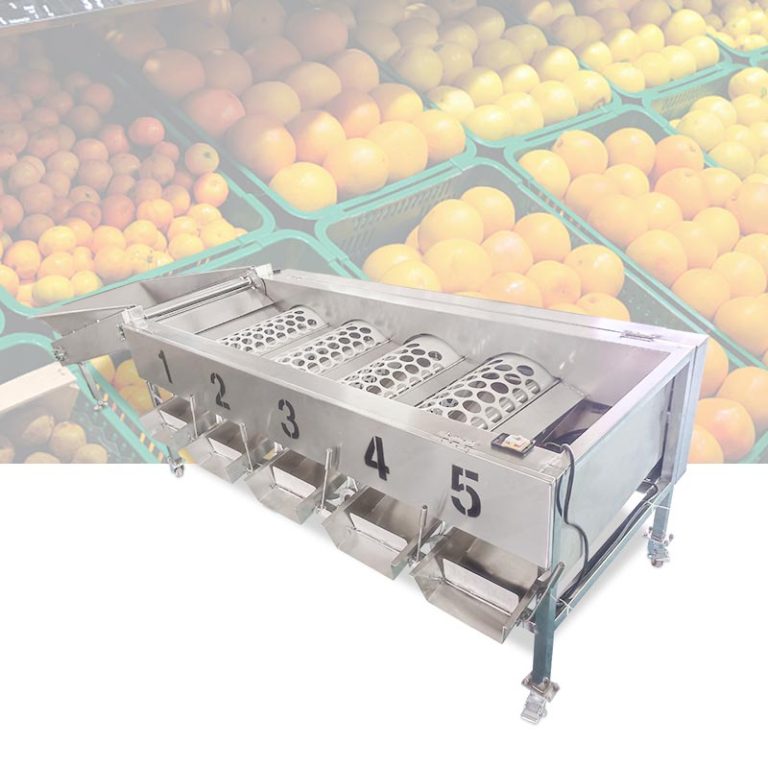
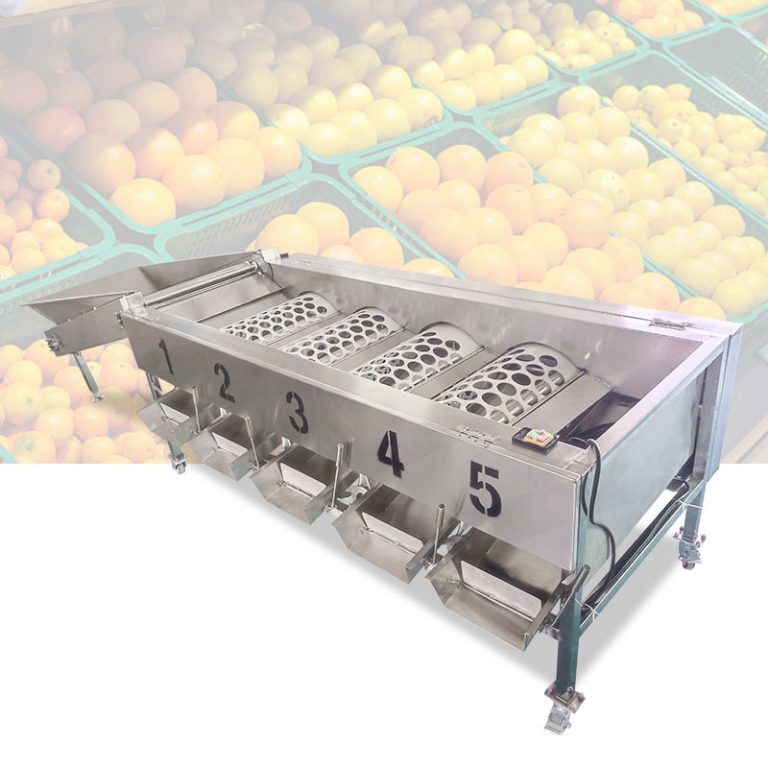
- Roller sorting: conveying and separating fruits by using the structure, spacing or movement mode of rollers. In some designs, adjustable roller spacing is used to achieve size classification.
These methods are not completely mutually exclusive. Some equipment can be combined with a variety of sorting mechanisms, and may also be equipped with additional testing equipment to meet more complex classification requirements.
What Are the Main Types of Fruit Sorting Machines?
Different machine designs serve different sorting objectives. Understanding their differences is the first step toward selecting suitable equipment.
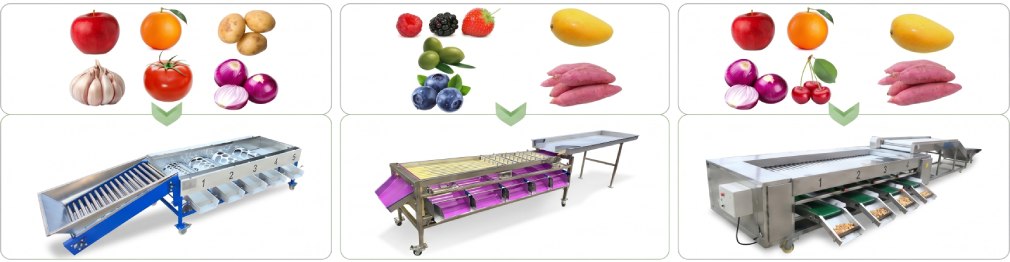
- Automatische Obstsortier- und Sortiermaschine : Der automatische Sortier- und Sortiermaschine für Obst is a general-purpose automatic fruit size sorting machine, which can classify fruits according to their sizes and help fruit processing and packaging enterprises improve sorting efficiency and consistency of specifications.When purchasing, buyers should focus on the types of applicable fruits, size grading range, number of output grades and actual processing capacity.
- Gewichtssortiermaschine: Der weight sorting grading machine automatically classifies individual fruits according to their weight. It is suitable for processing and packaging operations that need to be classified according to weight specifications, packaged or meet product standards.When selecting a machine, buyers should pay attention to the weight range supported by the equipment, grading accuracy, sorting speed and compatibility with the target fruit.
- Rollensortiermaschine: Der Rollensortiermaschine is a fruit size grading solution featuring an adjustable roller-spacing mechanism. Its grading performance depends on the roller configuration, fruit size and shape, and the suitability of the mechanism for the target raw material.Before purchasing, buyers should focus on evaluating the size and classification range of the equipment, the adaptability of raw materials, the actual processing capacity, and the control of fruit damage during transportation and sorting.
What Is the Difference Between Size Sorting and Weight Sorting?
The main difference between size sorting and weight sorting is the grading standard: size sorting classifies fruit by diameter or physical dimensions, while weight sorting classifies individual fruits by weight. If the product requires high dimensional consistency, size sorting can be given priority; If we pay more attention to the weight of single fruit or weight interval, it is more suitable to use weight sorting.
It should be noted that fruits with similar sizes may have different weights, and fruits with similar weights may also have different sizes. If the production requirements meet the size and weight standards at the same time, the combined sorting scheme can be considered, but the equipment investment, processing capacity and production line configuration should be evaluated according to the actual needs.
How to Choose the Right Fruit Sorting Machine
Choose the right equipment, not just the product name or nominal capacity. The entire processing requirement should be comprehensively evaluated from the raw materials to the final grading results.
How to Validate a Fruit Sorting Machine Before Purchase
Before purchasing a fruit sorting machine, it is necessary to verify whether the device meets the actual production requirements. Even if it is not possible to conduct on-site testing, buyers can still reduce the risks associated with the purchase by examining the technical specifications, demonstration videos of the equipment, and relevant test data.
- Confirm fruit compatibility: Provide the supplier with the fruit type, Größenbereich, Form, and processing requirements to verify equipment suitability.
- Verify actual processing capacity: Understand the rated processing capacity of the equipment and its test conditions, and confirm whether the expected output can be achieved under similar operating conditions.
- Check grading performance:Confirm the sorting range, the number of discharging grades and the available sorting accuracy data, and ask for relevant test records or equipment demonstration videos.
- Evaluate fruit damage risks:Understand the feeding, conveying and sorting methods of equipment, especially pay attention to the processing requirements of fragile fruits.
- Confirm operating requirements:Verify the installation space, Strombedarf, cleaning and maintenance requirements of the equipment and its compatibility with the existing production line.
Häufig gestellte Fragen
Find the Right Fruit Sorting Machine for Your Business
Gondor Machinery offers different fruit sorting equipment options for commercial fruit processing applications. Explore the following product pages to learn more about available machine configurations:
Need help selecting suitable equipment? Contact Gondor Machinery with your fruit type, required hourly capacity, grading criteria, und erwartete Ausgabe. This information can help the team assess which equipment configuration may suit your application.