

Descripción general del proyecto
A finales de julio 2026, Un agente de adquisiciones chino se puso en contacto con nosotros en nombre de una gran planta procesadora de nueces en Tanzania.. La planta ha estado funcionando desde 2021 y ya opera equipos de anacardos como máquinas descascaradoras y tostadoras.
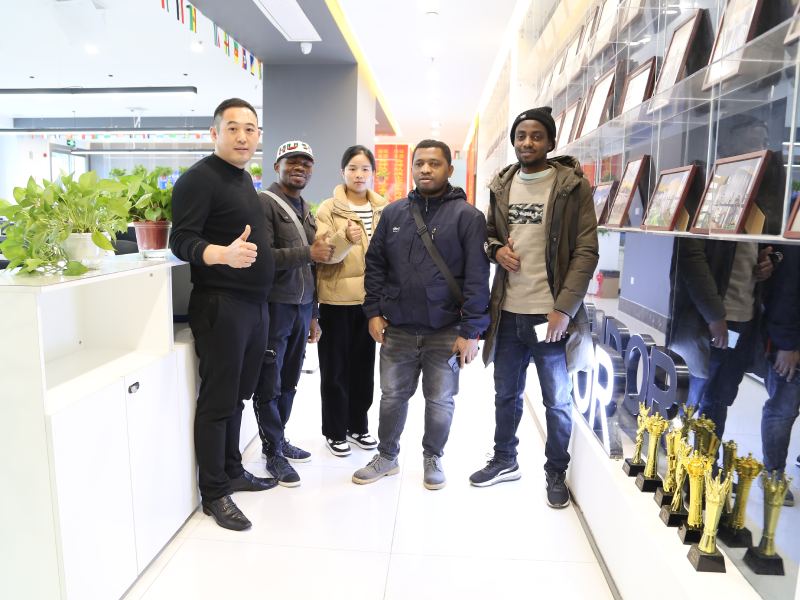
Visita de un cliente tanzano
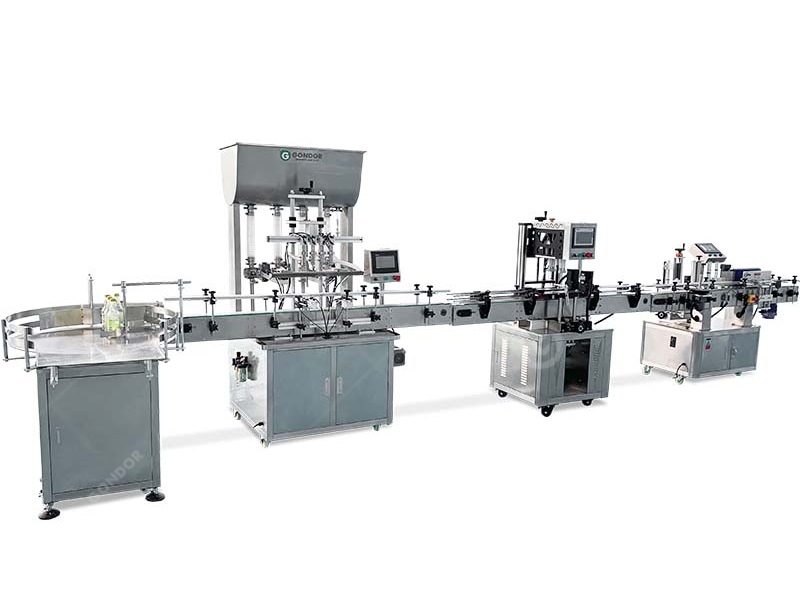
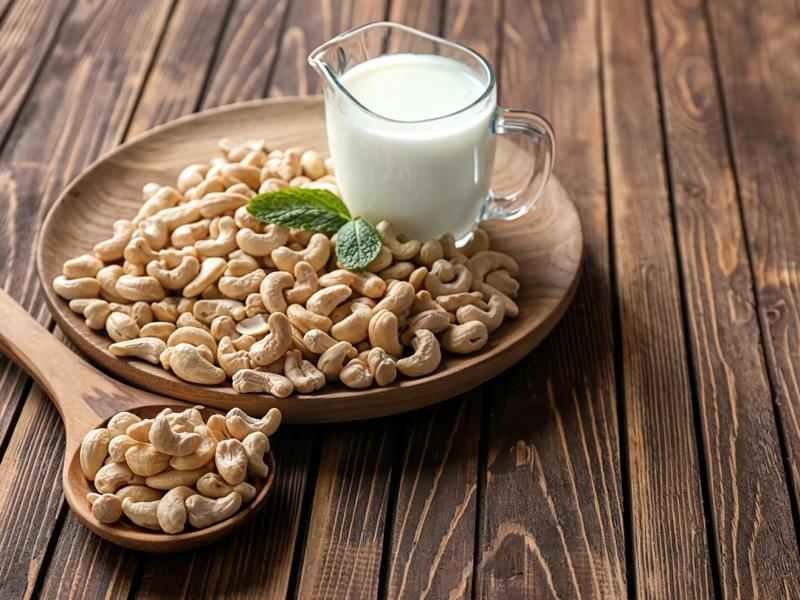
El negocio ha sido estable, pero el mercado está cambiando. Los clientes quieren bebidas más saludables. Entonces, el cliente quería dejar de lado los anacardos tostados y la mantequilla de anacardo y dedicarse a las bebidas de origen vegetal., específicamente leche de anacardo. Necesitaban una línea completa que pudiera aceptar anacardos tostados., convertirlos en bebida líquida, y llenar el resultado en latas de aluminio. Nuestro trabajo consistía en diseñar algo que se integrara en su proceso upstream existente., cumplir con estrictos estándares de higiene, y ejecutar eficientemente.
Requisitos del cliente
- Capacidad objetivo
El cliente requiere una capacidad de procesamiento de aproximadamente 300 litros por hora (300 l/h), Diseñado específicamente para leche de anacardo de baja viscosidad..
- Normas de higiene
El cliente solicitó específicamente un CIP (Limpieza en el lugar) sistema. Habían existido el tiempo suficiente para saber que la limpieza automatizada de tuberías no es un lujo en el procesamiento de lácteos y leches vegetales.. Así es como se mantiene la calidad del producto y el tiempo de funcionamiento donde debe estar..
- Formato de embalaje
Para embalaje, El producto final tenía que ir en latas de aluminio impresas en tamaños de 500 ml y 250 ml., lo que significó una línea de llenado y cierre de alta precisión.
- Integración de procesos
La planta quería un molino coloidal con tubería de recirculación estator-rotor para ejecutar una molienda de circuito cerrado.. Menos manipulación manual, menor riesgo de contaminación biológica.
- Diseño completo del sistema
Y necesitaban el paquete completo.: molienda, mezcla, homogeneizar, esterilizante, y relleno, todo diseñado como un sistema integrado.
Desafíos identificados
- Integración con flujos de trabajo existentes
La nueva línea de líquido tenía que recibir materia prima de sus tostadores secos existentes sin crear un cuello de botella en el punto de entrega..
- Dilema sobre la disposición del equipo
El cliente tenía dudas sobre el diseño del equipo.. Sistema integrado todo en uno, o tanques independientes separados para la capacidad de 300L/h? Ambos tienen compensaciones, y no habian decidido.
- Desafío de compatibilidad de líneas de llenado
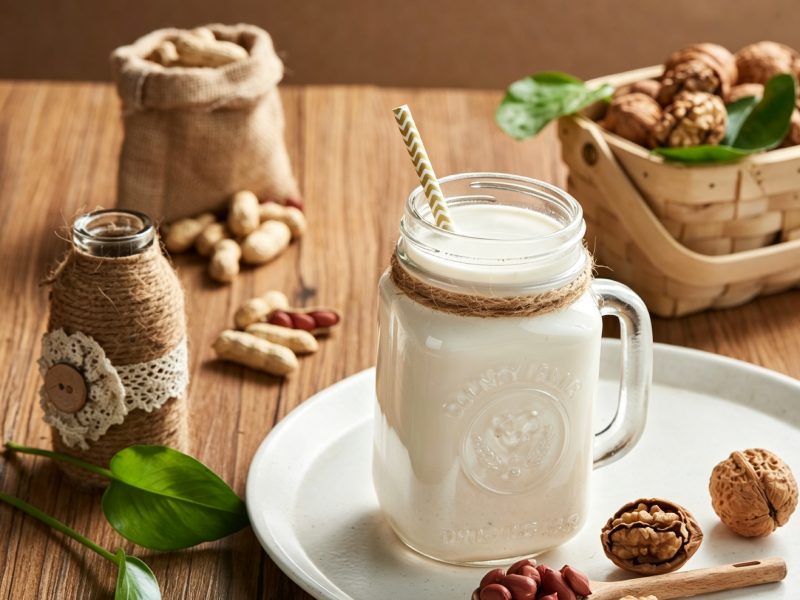
Llenar latas de 250 ml y 500 ml en la misma máquina es más difícil de lo que parece. Los dos diámetros y alturas de las latas son muy diferentes., y cambiar entre ellos en una línea necesita mecanismos de ajuste especializados. Eso añadió una verdadera complejidad técnica a la configuración..
- Complejidades de la contratación transfronteriza
Luego estaban los dolores de cabeza transfronterizos: oscilaciones del tipo de cambio, canales de pago, y el cálculo FOB versus CIF para cargas de contenedores completos. Todas las inquietudes válidas.
Nuestra recomendación técnica
Proponemos una línea de procesamiento y enlatado de 300L/h adaptada a la leche de anacardo. Algunos detalles que vale la pena mencionar.
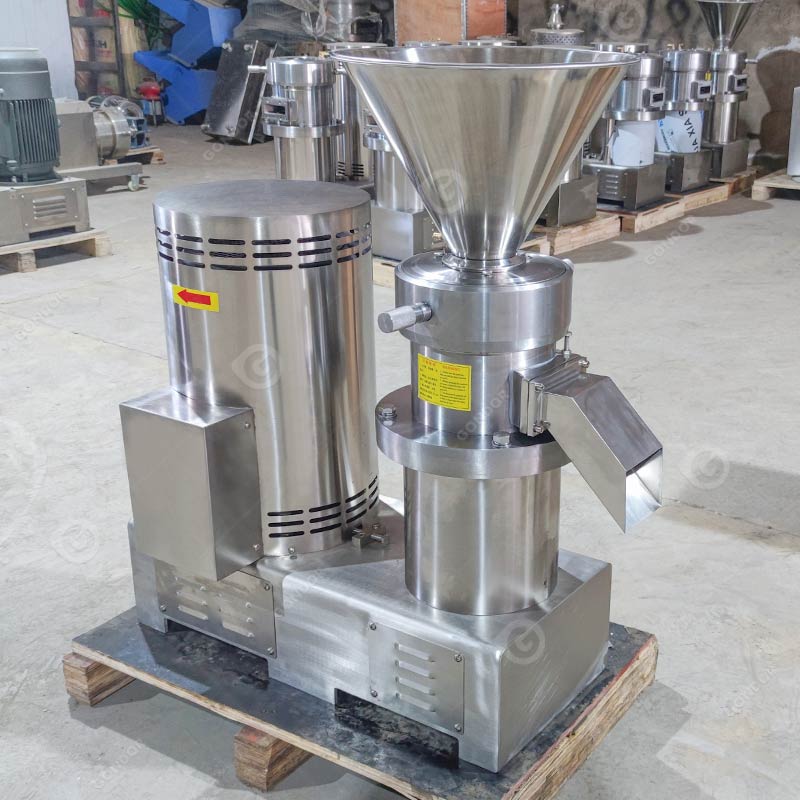
Molino coloidal
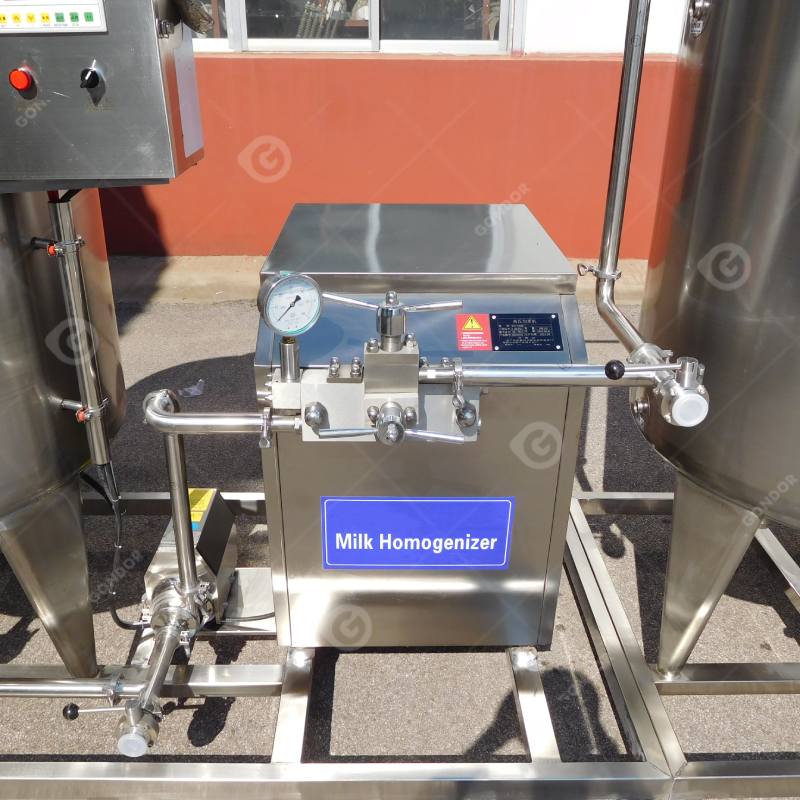
Homogeneizador
Por qué esta solución se adapta al cliente
- Aprovechar las capacidades existentes
El cliente ya tenía la materia prima., la capacidad de preprocesamiento. Lo que no tenían era el lado líquido.. Nuestra solución es esencialmente un módulo plug-and-play que se integra en su flujo de trabajo existente., para que puedan ingresar al mercado de bebidas de origen vegetal sin reconstruir desde cero.
- Facilidad de mantenimiento y operación
El mantenimiento es más sencillo de lo que parece.. Sus técnicos ya conocen la maquinaria.. El diseño modular mantiene las cosas sencillas, y el sistema CIP se encarga del trabajo de limpieza que de otro modo consumiría horas de mano de obra. El funcionamiento en varios turnos se vuelve realista.
- Escalabilidad futura
También dimensionamos el molino coloidal y el sistema CIP con margen de capacidad.. Si el cliente quiere escalar más tarde, Pueden agregar equipos en paralelo en lugar de volver a instalar tuberías en toda la fábrica..
- Solución de embalaje rentable
En embalaje, Una máquina llenadora que maneja dos tamaños de latas significó que el cliente no tuvo que comprar dos líneas de llenado separadas.. Esto supone un gran ahorro de capital y una menor huella de equipo..
En qué pensar antes de comprar una línea de leches vegetales
Dedicamos mucho tiempo a observar las tendencias del mercado y los problemas técnicos que las acompañan.. Algunas cosas que los compradores deben sopesar antes de ingresar a este espacio