


8 सही निवेश करने में आपकी सहायता के लिए अक्सर पूछे जाने वाले प्रश्न
जैसे-जैसे वैश्विक बेकरी उद्योग बढ़ता जा रहा है, औद्योगीकरण, स्वचालन, और आधुनिक ब्रेड निर्माताओं के लिए बड़े पैमाने पर उत्पादन आवश्यक हो गया है. चाहे आप एक नया बेकरी प्लांट बना रहे हों या किसी मौजूदा सुविधा का उन्नयन कर रहे हों, सही औद्योगिक ब्रेड उत्पादन लाइन चुनने से उत्पादन क्षमता पर महत्वपूर्ण प्रभाव पड़ सकता है, उत्पाद की गुणवत्ता, परिचालन लागत, और दीर्घकालिक लाभप्रदता.
तथापि, कई खरीदार उत्पादन क्षमता जैसे अन्य महत्वपूर्ण कारकों की अनदेखी करते हुए मुख्य रूप से उपकरण की कीमतों पर ध्यान केंद्रित करते हैं, स्वचालन स्तर, ऊर्जा की खपत, रखरखाव की आवश्यकताएं, और भविष्य की स्केलेबिलिटी. नतीजतन, कुछ कंपनियाँ उन उत्पादन लाइनों में निवेश करती हैं जो अपने आउटपुट लक्ष्यों को पूरा करने में विफल रहती हैं या अप्रत्याशित रूप से उच्च परिचालन लागत उत्पन्न करती हैं.
इसलिए, खरीदते समय आपको वास्तव में क्या ध्यान देना चाहिए? औद्योगिक ब्रेड उत्पादन लाइन? The following FAQs provide detailed answers to help bakery manufacturers make informed decisions.
अक्सर पूछे जाने वाले प्रश्न 1: What Is the Most Important Factor When Purchasing an Industrial Bread Production Line?
For most bakery businesses, production capacity should be the starting point of any purchasing decision.
Many buyers mistakenly assume that bigger equipment automatically means better performance. In reality, an oversized production line can lead to unnecessary investment, increased energy consumption, and higher maintenance expenses.
Before selecting a production line, it is important to evaluate:
उदाहरण के लिए, a bakery producing 5,000 hamburger buns per day requires a completely different setup from a factory producing 50,000 प्रतिदिन सैंडविच ब्रेड की रोटियाँ.
इसलिए, ऐसी उत्पादन लाइन चुनना जो आपकी वास्तविक उत्पादन आवश्यकताओं से मेल खाती हो, अक्सर उपलब्ध सबसे बड़ी प्रणाली खरीदने की तुलना में अधिक फायदेमंद होती है.
अक्सर पूछे जाने वाले प्रश्न 2: आप स्वचालन का उचित स्तर कैसे निर्धारित कर सकते हैं??
स्वचालन का स्तर सीधे उत्पादकता को प्रभावित करता है, श्रम लागत, और उत्पादन स्थिरता.
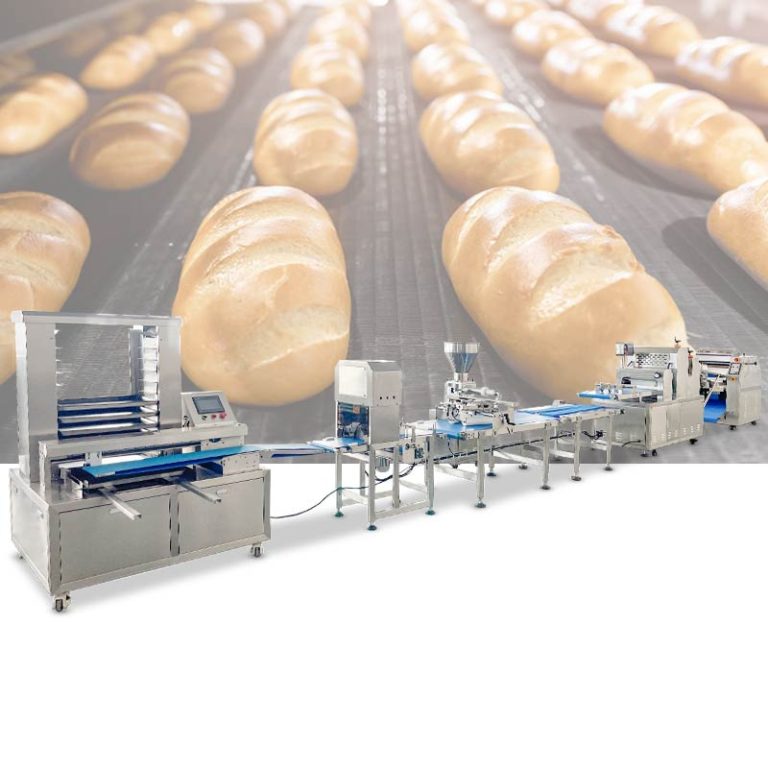
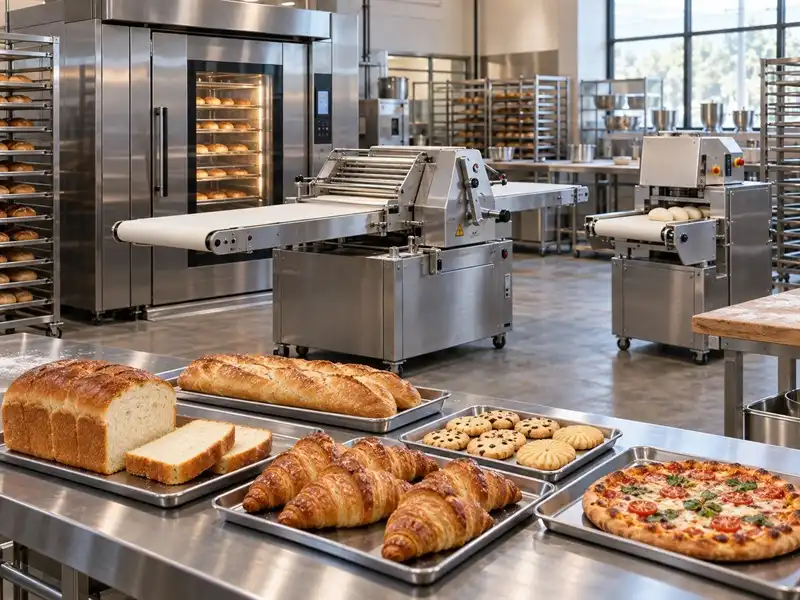
एक आधुनिक औद्योगिक ब्रेड उत्पादन लाइन में आम तौर पर शामिल हैं:
- कच्चा माल परिवहन प्रणालियाँ
- स्वचालित आटा मिश्रण प्रणाली
- आटा बाँटने वाली मशीनें
- आटा गूंथने वाले
- मध्यवर्ती प्रमाणक
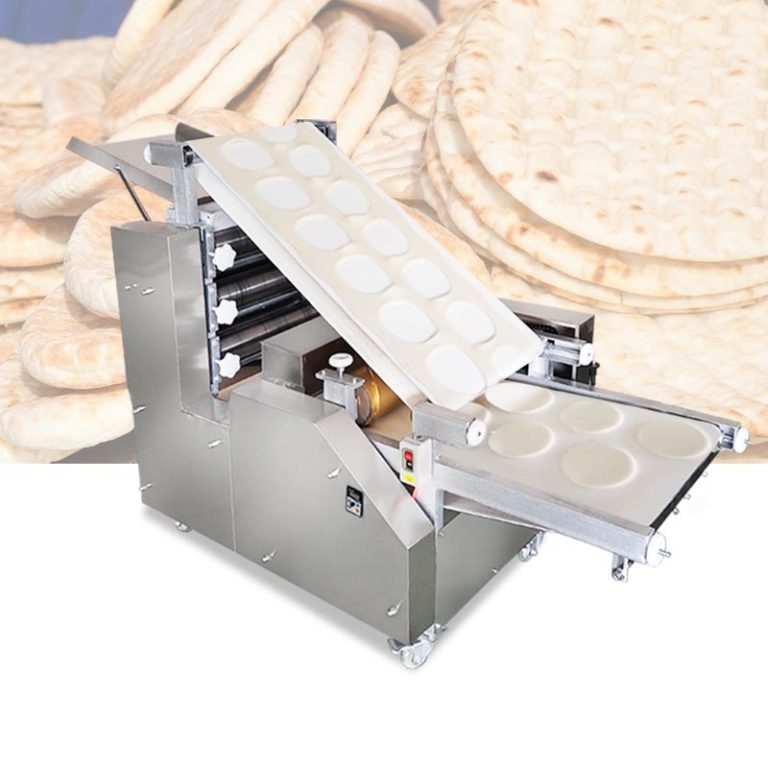
- आटा ढालने के उपकरण
- अंतिम किण्वन कक्ष
- सुरंग ओवन
- शीतलक कन्वेयर
- स्वचालित पैकेजिंग सिस्टम
उन क्षेत्रों में जहां श्रम लागत अधिक है, पूरी तरह से स्वचालित उत्पादन लाइनें अक्सर निवेश पर तेज़ रिटर्न देती हैं.
तथापि, छोटी और मध्यम आकार की बेकरियों के लिए, अर्ध-स्वचालित समाधान अधिक लचीलापन और कम प्रारंभिक लागत प्रदान कर सकते हैं.
आदर्श स्वचालन स्तर आपके उत्पादन पैमाने पर निर्भर करता है, कार्यबल की उपलब्धता, और एक आकार-सभी के लिए उपयुक्त दृष्टिकोण अपनाने के बजाय दीर्घकालिक व्यापार रणनीति.
अक्सर पूछे जाने वाले प्रश्न 3: क्या उत्पादन लाइन विभिन्न प्रकार के ब्रेड उत्पादों को संभाल सकती है??
बेकरी बाज़ार में उपभोक्ताओं की प्राथमिकताएँ तेज़ी से बदलती हैं.
आज, हैमबर्गर बन्स की अत्यधिक मांग हो सकती है. कल, ग्राहक मीठी रोटी पसंद कर सकते हैं, baguettes, कारीगर उत्पाद, या साबुत गेहूं की रोटी.
इसीलिए ब्रेड उत्पादन लाइन का चयन करते समय लचीलापन एक महत्वपूर्ण विचार होना चाहिए.
उपकरण आपूर्तिकर्ता से निम्नलिखित प्रश्न पूछें:
* क्या लाइन अलग-अलग आटे के फॉर्मूलेशन को प्रोसेस कर सकती है??
* उत्पाद विनिर्देशों को कितनी जल्दी बदला जा सकता है?
* क्या मोल्ड प्रतिस्थापन सुविधाजनक है??
* क्या नियंत्रण प्रणाली रेसिपी भंडारण का समर्थन करती है?
हालाँकि अत्यधिक लचीली उत्पादन लाइन के लिए बड़े प्रारंभिक निवेश की आवश्यकता हो सकती है, यह निर्माताओं को बदलते बाज़ार रुझानों के अनुरूप ढलने और नए उत्पादों को अधिक कुशलता से लॉन्च करने में मदद कर सकता है.
कई मामलों में, यह लचीलापन महत्वपूर्ण दीर्घकालिक मूल्य उत्पन्न करता है.
अक्सर पूछे जाने वाले प्रश्न 4: आपको सही ओवन सिस्टम कैसे चुनना चाहिए??
ओवन किसी भी ब्रेड उत्पादन लाइन के सबसे महत्वपूर्ण घटकों में से एक है.
इसका सीधा असर पड़ता है:
* पपड़ी का रंग
* उत्पाद की उपस्थिति
* आंतरिक बनावट
* बेकिंग स्थिरता
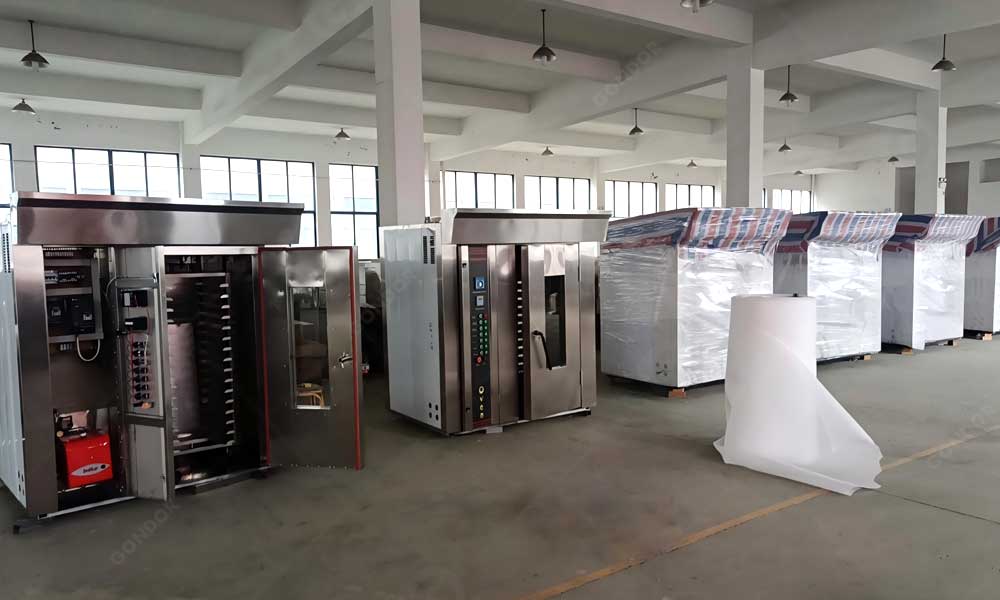
व्यावसायिक बेकरियों में आमतौर पर कई प्रकार के औद्योगिक ओवन का उपयोग किया जाता है.
संवहन ओवन
फायदे में शामिल हैं:
* समान ताप वितरण
* नरम ब्रेड और बन्स के लिए उपयुक्त
* अपेक्षाकृत ऊर्जा-कुशल संचालन
सुरंग ओवन
फायदे में शामिल हैं:
* निरंतर उत्पादन
* उच्च उत्पादन क्षमता
* बड़े पैमाने पर औद्योगिक बेकरी के लिए आदर्श
पत्थर चूल्हा ओवन
फायदे में शामिल हैं:
* कारीगर और यूरोपीय शैली की ब्रेड के लिए उत्कृष्ट
* एक विशिष्ट कुरकुरा क्रस्ट और प्रामाणिक बनावट बनाता है
ओवन प्रणाली का चयन करते समय, निर्माताओं को न केवल अपने वर्तमान उत्पाद पोर्टफोलियो बल्कि भविष्य की उत्पाद विकास योजनाओं पर भी विचार करना चाहिए.
कई सफल बेकरियां ऐसे उपकरणों में निवेश करती हैं जो भविष्य में नवाचार और विस्तार के लिए जगह बनाते हैं.
अक्सर पूछे जाने वाले प्रश्न 5: खाद्य सुरक्षा मानक और उपकरण सामग्री इतनी महत्वपूर्ण क्यों हैं??
बेकरी उद्योग में खाद्य सुरक्षा सर्वोच्च प्राथमिकता है.
इसलिए, उपकरण निर्माण सामग्री को कभी भी नज़रअंदाज़ नहीं किया जाना चाहिए.
उच्च गुणवत्ता वाली औद्योगिक ब्रेड उत्पादन लाइनें आम तौर पर प्रदर्शित होती हैं:
* SUS304 स्टेनलेस स्टील निर्माण
* खाद्य-ग्रेड कन्वेयर बेल्ट
* स्वच्छ संरचनात्मक डिजाइन
उपकरण का मूल्यांकन करते समय, पर बारीकी से ध्यान दें:
* वे सामग्रियाँ जो भोजन के सीधे संपर्क में आती हैं
* वेल्डिंग की गुणवत्ता
* सफाई में आसानी
* सीआईपी की उपलब्धता (जगह स्वच्छ रखें) प्रणाली
* अंतर्राष्ट्रीय प्रमाणपत्र और अनुपालन मानक
स्वच्छतापूर्वक डिज़ाइन की गई उत्पादन लाइन संदूषण के जोखिम को कम करने में मदद करती है, खाद्य सुरक्षा में सुधार करता है, और नियामक आवश्यकताओं के अनुपालन का समर्थन करता है.
निर्यात-उन्मुख बेकरियों के लिए, ये कारक और भी महत्वपूर्ण हो जाते हैं.
अक्सर पूछे जाने वाले प्रश्न 6: आप किसी उपकरण आपूर्तिकर्ता की ताकत का मूल्यांकन कैसे कर सकते हैं??
कई असफल उपकरण निवेश खराब मशीनरी गुणवत्ता के कारण नहीं बल्कि आपूर्तिकर्ताओं से अपर्याप्त तकनीकी सहायता के कारण होते हैं.
किसी आपूर्तिकर्ता का मूल्यांकन करते समय, निम्नलिखित कारकों पर विचार करें.
उद्योग के अनुभव
बेकरी उपकरण उत्पादन में व्यापक अनुभव वाले निर्माताओं को चुनें.
सफल परियोजना संदर्भ
पिछली स्थापनाओं की समीक्षा करें, विशेष रूप से आपके जैसे ही प्रोजेक्ट, जैसे कि:
* हैमबर्गर बन उत्पादन लाइनें
* टोस्ट ब्रेड उत्पादन लाइनें
* जमे हुए आटे की उत्पादन लाइनें
तकनीकी विशेषज्ञता
एक विश्वसनीय आपूर्तिकर्ता को प्रदान करना चाहिए:
* फ़ैक्टरी लेआउट योजना
* प्रक्रिया अनुकूलन अनुशंसाएँ
* स्थापना और कमीशनिंग सेवाएँ
* ऑपरेटर प्रशिक्षण कार्यक्रम
बिक्री उपरांत सहायता
मजबूत बिक्री-पश्चात सेवाएँ शामिल होनी चाहिए:
* स्पेयर पार्ट्स की उपलब्धता
* दूरस्थ तकनीकी सहायता
* ऑन-साइट रखरखाव सहायता
लंबे समय में, किसी विश्वसनीय आपूर्तिकर्ता के साथ साझेदारी करना अक्सर सबसे कम कीमत वाले विकल्प को चुनने की तुलना में अधिक मूल्य प्रदान करता है.
अक्सर पूछे जाने वाले प्रश्न 7: उपकरण की कीमत के अलावा किन छिपी हुई लागतों पर विचार किया जाना चाहिए?
यह उपकरण खरीद में सबसे अधिक बार नजरअंदाज किए जाने वाले पहलुओं में से एक है.
In reality, खरीद मूल्य कुल निवेश का केवल एक हिस्सा दर्शाता है.
अतिरिक्त लागत शामिल हैं:
ऊर्जा की खपत
जैसे कि:
* बिजली
* प्राकृतिक गैस
* भाप
* संपीड़ित हवा
श्रम व्यय
उच्च स्वचालन आम तौर पर दीर्घकालिक श्रम लागत को कम करता है.
रखरखाव लागत
शामिल:
* पहनने के पुर्जों का प्रतिस्थापन
* निवारक रखरखाव
* सॉफ़्टवेयर अद्यतन
डाउनटाइम लागत
उपकरण विफलताओं के कारण होने वाली उत्पादन रुकावटों के परिणामस्वरूप मरम्मत व्यय से कहीं अधिक नुकसान हो सकता है.
इस कारण से, कई अनुभवी खरीदार स्वामित्व की कुल लागत का उपयोग करते हैं (टीसीओ) केवल प्रारंभिक खरीद मूल्य पर ध्यान केंद्रित करने के बजाय दृष्टिकोण.
अक्सर पूछे जाने वाले प्रश्न 8: क्या भविष्य में प्रोडक्शन लाइन को अपग्रेड करना आसान है??
व्यवसाय की वृद्धि अक्सर अपेक्षाओं से अधिक होती है.
जैसे-जैसे मांग बढ़ती है, समय के साथ उत्पादन क्षमता को दोगुना या तिगुना करने की आवश्यकता हो सकती है.
इसलिए, प्रारंभिक उपकरण चयन चरण के दौरान भविष्य के विस्तार पर विचार किया जाना चाहिए.
महत्वपूर्ण कारकों में शामिल हैं:
* मॉड्यूलर सिस्टम डिज़ाइन
* विस्तार इंटरफ़ेस
* स्वचालन उन्नयन क्षमताएं
* स्मार्ट फ़ैक्टरी प्रौद्योगिकियों के साथ संगतता
एक स्केलेबल उत्पादन लाइन भविष्य की निवेश लागत को काफी कम कर सकती है और फैक्ट्री विस्तार परियोजनाओं को सरल बना सकती है.
यही एक कारण है कि अग्रणी बेकरी निर्माता उपकरण चुनते समय स्केलेबिलिटी पर बहुत जोर देते हैं.
आप सही औद्योगिक ब्रेड उत्पादन लाइन कैसे चुनते हैं??
अंत में, औद्योगिक ब्रेड उत्पादन लाइन खरीदना केवल कीमतों की तुलना करने का मामला नहीं है. यह एक रणनीतिक निवेश है जो कई वर्षों तक आपके बेकरी व्यवसाय की सफलता को प्रभावित कर सकता है.
निर्णय लेने से पहले, निर्माताओं को सावधानीपूर्वक मूल्यांकन करना चाहिए:
* उत्पादन क्षमता आवश्यकताएँ
* उत्पाद विविधीकरण योजनाएँ
* स्वचालन स्तर
* बेकिंग प्रक्रिया आवश्यकताएँ
* खाद्य सुरक्षा मानक
* आपूर्तिकर्ता क्षमताएँ
* मालिकाने की कुल कीमत
* भविष्य में विस्तार की संभावना
इन सभी कारकों को ध्यान में रखते हुए, बेकरी व्यवसाय ऐसे उत्पादन समाधान का चयन कर सकते हैं जो वर्तमान परिचालन आवश्यकताओं और दीर्घकालिक विकास उद्देश्यों दोनों के अनुरूप हो.
आधुनिक बेकरी सुविधा स्थापित करने या विस्तार करने की योजना बनाने वाली कंपनियों के लिए, एक अनुभवी ब्रेड उत्पादन लाइन निर्माता के साथ काम करना इष्टतम उत्पादन प्रदर्शन सुनिश्चित करते हुए परियोजना जोखिमों को काफी कम कर सकता है.
एक अच्छी तरह से डिज़ाइन की गई औद्योगिक ब्रेड उत्पादन लाइन उत्पादकता और उत्पाद स्थिरता को बढ़ाने के अलावा और भी बहुत कुछ करती है. यह सतत विकास के लिए आधार प्रदान करता है और बढ़ती मांग वाले वैश्विक बाजार में बेकरियों को प्रतिस्पर्धी बने रहने में मदद करता है.