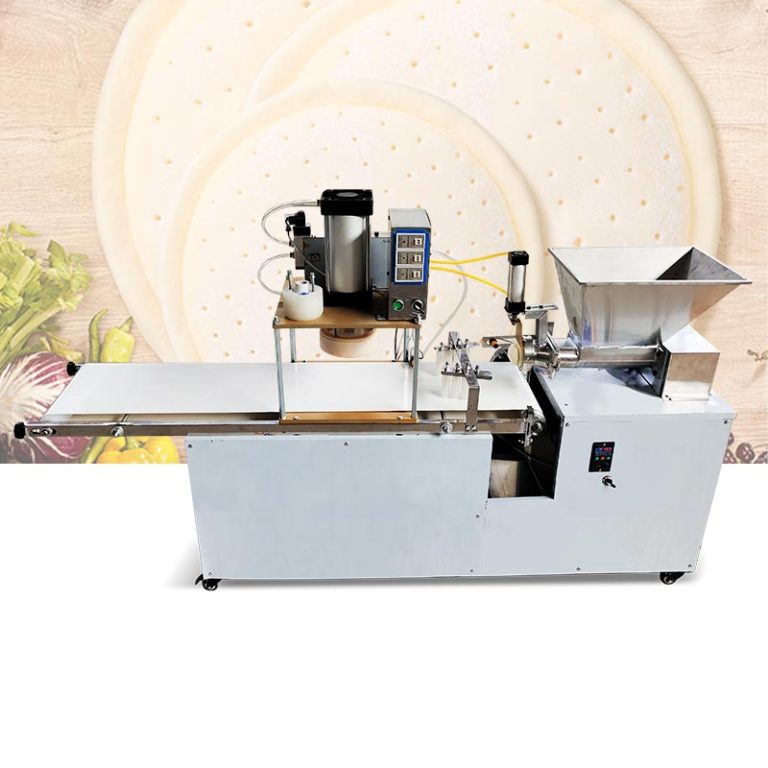


Gần đây, một khách hàng đến từ Hàn Quốc đã chia sẻ tin vui rằng việc nhận được máy móc của chúng tôi đã giúp năng lực sản xuất của nhà máy của họ tăng lên đáng kể. Đây không chỉ đơn thuần là trường hợp xuất khẩu thiết bị thành công; nó đóng vai trò như một hướng dẫn đưa ra các quyết định chuyển đổi tự động hóa cho tất cả các công ty chế biến thực phẩm đang gặp phải “nút thắt cổ chai trong sản xuất”.
Bối cảnh dự án: “Vấn đề ngọt ngào” đằng sau việc mở rộng kinh doanh
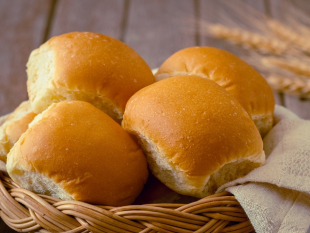
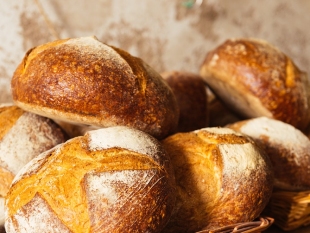
Vài tháng trước, chúng tôi đã nhận được yêu cầu từ một chủ tiệm bánh Hàn Quốc (người mà chúng ta sẽ gọi là Mr.. H để bảo vệ sự riêng tư của mình). Ông. Nhà máy của H chủ yếu sản xuất mì ống và đồ nướng sử dụng hàng ngày rất phổ biến tại địa phương. Khi thị trường của họ phát triển, khối lượng đặt hàng của họ đã tăng vọt trong sáu tháng qua. Tuy nhiên, sự gia tăng đơn hàng không mang lại lợi nhuận cao như mong đợi; thay vì, nó đẩy họ vào cuộc khủng hoảng sản xuất.
Ông. H rất cần một giải pháp chia và vo tròn bột tự động đáng tin cậy, nhưng anh ấy rất lo lắng về việc mua sắm máy móc lớn xuyên biên giới—một điểm chung mà tất cả người mua nước ngoài đều gặp phải.
Thử thách: “Rào cản kép về niềm tin và công nghệ” trong mua sắm xuyên biên giới
Trong những cuộc thảo luận đầu tiên của chúng tôi với ông. H, chúng tôi nhanh chóng xác định một số thách thức chính mà anh ấy đang phải đối mặt. Những thách thức này không chỉ là khó khăn của riêng anh mà còn là trở ngại chúng tôi phải vượt qua trong việc cung cấp dịch vụ của mình.:
- Cần có độ chính xác cực cao để tương thích kỹ thuật: Máy móc chế biến thực phẩm không phải là sản phẩm kỹ thuật số được tiêu chuẩn hóa. Độ ẩm của bột, độ bền gluten, và phạm vi trọng lượng mục tiêu (Ông. H yêu cầu độ chính xác đến từng gam cụ thể) tất cả đều ảnh hưởng trực tiếp tới hiệu năng của máy. Nếu các tham số không khớp, cỗ máy sẽ chẳng khác gì một đống kim loại phế liệu một khi được giao.
- “Hộp đen tin cậy” của hoạt động mua sắm xuyên biên giới: Bị ngăn cách bởi hàng ngàn km đại dương, khách hàng không thể trực tiếp đến nhà máy để kiểm tra thiết bị. Làm thế nào chúng tôi có thể chứng minh chất lượng máy móc của chúng tôi? Làm thế nào chúng tôi có thể đảm bảo an toàn cho tiền sau khi thanh toán? Đây là những vấn đề khiến anh vô cùng lo lắng.
- Logistics quốc tế phức hợp, Cài đặt, và dịch vụ hậu mãi: Từ lô hàng của nhà máy, xếp hàng container tại cảng, và vận tải đường biển (ví dụ., đến Cảng Mombasa ở Châu Phi hoặc các cảng lớn ở Đông Nam Á), thông qua thủ tục hải quan và vận hành thử nhà máy cuối cùng, một sai sót ở bất kỳ điểm nào trong chuỗi dài này có thể khiến dự án rơi vào bế tắc.
Giải pháp: Chiến lược “Bốn bước” để phá bỏ rào cản thông qua chuyên môn
Để giải quyết hoàn toàn Mr.. Mối quan tâm của H và việc đảm bảo thiết bị sẽ tích hợp hoàn hảo vào dây chuyền sản xuất của anh ấy, chúng tôi đã bắt đầu một tiêu chuẩn hóa, quy trình dịch vụ chuyên sâu.
Bước chân 1: Phân tích nhu cầu và lựa chọn tùy chỉnh
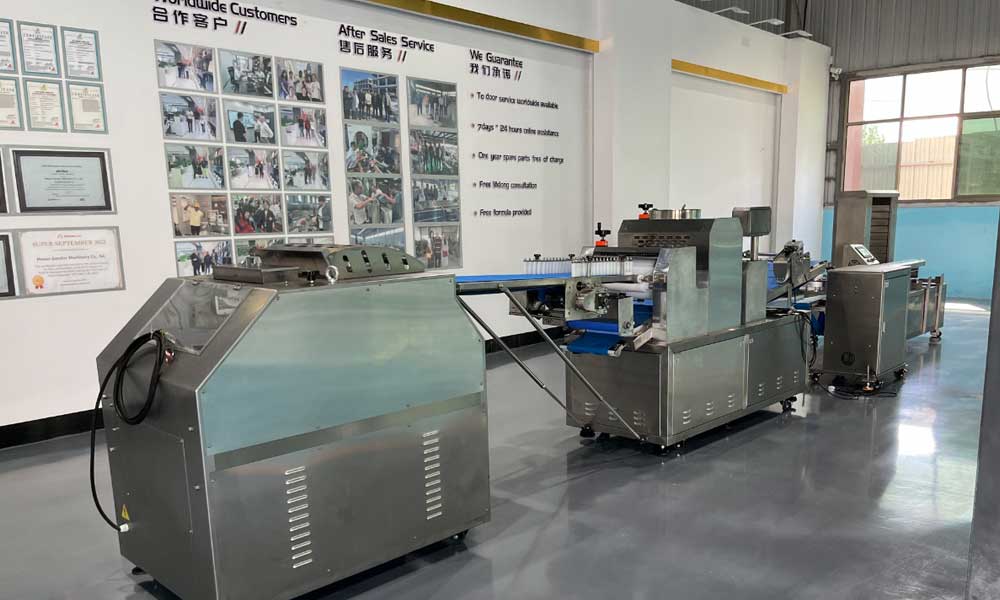
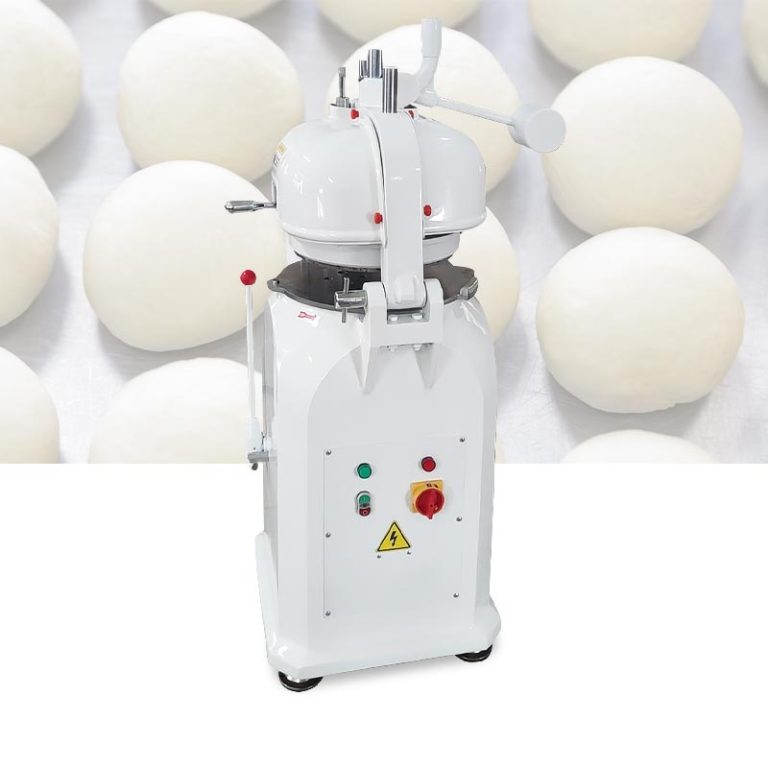
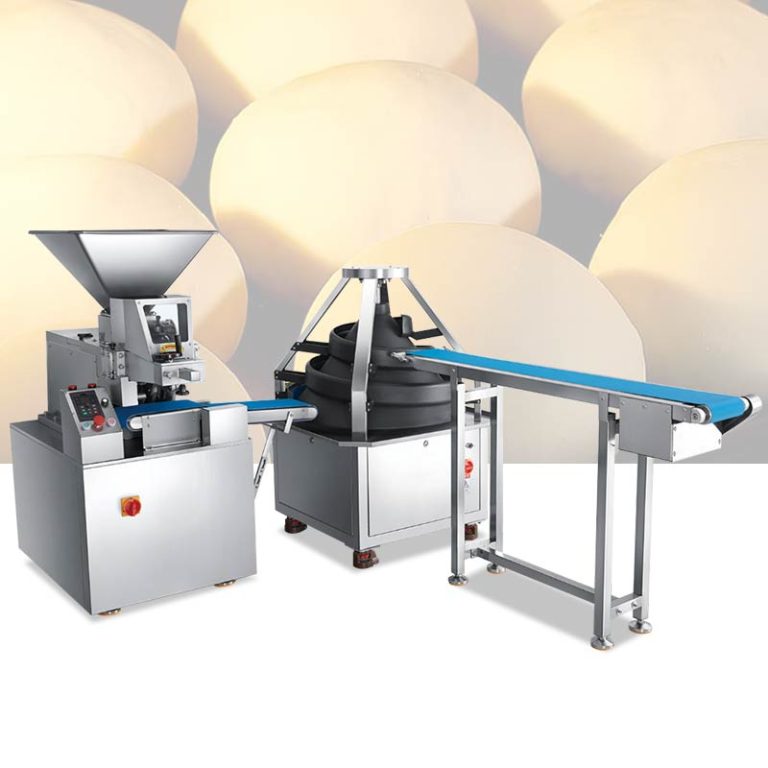
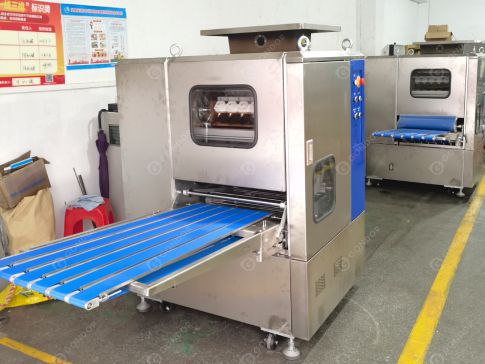
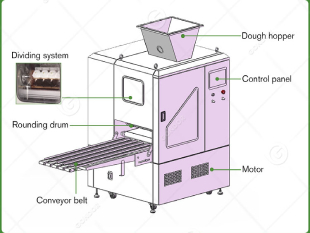
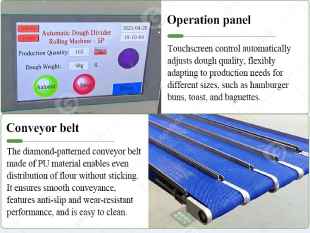
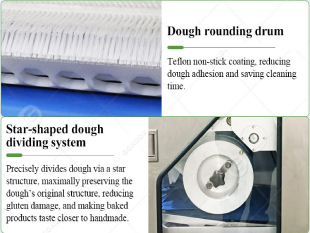
Thay vì vội vàng đưa ra báo giá, chúng tôi đã hỏi ông. H để quay video chi tiết về quy trình làm bột thủ công hiện tại của họ và hỏi chi tiết về tỷ lệ nước-bột trong bột của họ. Vì các đặc tính vật lý của bột quyết định trực tiếp việc chúng ta nên sử dụng máy cắt hay máy ép đùn, kỹ sư kỹ thuật của chúng tôi, sau khi đánh giá, đề nghị máy chia bột tự động (304 Phiên bản cao cấp bằng thép không gỉ). Cơ sở kỹ thuật: Mô hình này sử dụng công nghệ ép đùn linh hoạt sinh học, đảm bảo trọng lượng phần chính xác (với sai số ± 1 gram) đồng thời giảm thiểu thiệt hại cho mạng lưới gluten của bột. Điều này đảm bảo rằng kết cấu của sản phẩm cuối cùng không thể phân biệt được với bột thủ công.
Bước chân 2: Trình diễn video minh bạch và “Kiểm tra nhà máy trên nền tảng đám mây”
Để giải quyết vấn đề “hộp đen tin cậy”, chúng tôi đã thực hiện một buổi trình diễn trực tiếp kéo dài 20 phút trong xưởng bằng cách sử dụng bột nhào tương tự như công thức của khách hàng và gửi trực tiếp video chưa chỉnh sửa cho Mr.. H thông qua ứng dụng nhắn tin. Hơn nữa, qua cuộc gọi video, chúng tôi đã trình diễn các thành phần cốt lõi của máy: động cơ lõi đồng nguyên chất, Các thành phần phủ chống dính Teflon cấp thực phẩm, và bảng điều khiển trực quan. Cách tiếp cận “thấy mới tin” này ngay lập tức thiết lập được nền tảng tin cậy vững chắc.
Bước chân 3: Hợp đồng nghiêm ngặt và dịch vụ hậu mãi
Sau khi xác nhận giá (trong đó bao gồm chi phí máy và phí vận chuyển hiệu quả cao), cả hai bên đã ký một hóa đơn chiếu lệ chính thức. Ông. H đã thanh toán tiền đặt cọc thành công. Trong thời gian chuẩn bị tiếp theo, nhân viên bán hàng tuyến đầu của chúng tôi đóng vai trò là “người quản lý dự án,” thường xuyên gửi Mr.. H Hình ảnh tiến độ lắp ráp và đánh bóng thiết bị.
Bước chân 4: Bao bì cấp công nghiệp và hậu cần quốc tế
Điều kiện khắc nghiệt của vận tải đường biển—độ mặn và độ ẩm cao—có thể dễ dàng khiến thiết bị bị rỉ sét và hư hỏng. Chúng tôi sử dụng kèm theo đầy đủ, thùng gỗ không khử trùng để đóng gói, cố định đồ đạc bằng nhiều lớp màng co giãn chống ẩm và bọt hấp thụ sốc. Ngay sau khi giao hàng, chúng tôi đã gửi cho khách hàng một bộ chứng từ thông quan dự thảo—bao gồm Vận đơn, Danh sách đóng gói, và Hóa đơn thương mại—để xác nhận, đảm bảo thông quan thông suốt tại cảng đích.
Kết quả: Dữ liệu và Video tự nói lên điều đó
Sau gần một tháng vận tải biển, thiết bị đã đến nơi an toàn tại Mr.. nhà máy của H. Với hướng dẫn video từ xa của chúng tôi, Ông. H hoàn thành việc khởi động và vận hành thiết bị trong vòng chưa đầy hai giờ.
Sự so sánh tuyệt vời trước và sau:
Năng lực sản xuất tăng vọt: Sản lượng tăng vọt từ 500 miếng bột mỗi giờ được xử lý thủ công để 3,000 mỗi giờ—năng lực sản xuất tăng gấp sáu lần.
Giảm mạnh chi phí lao động: Trạm hình thành, mà trước đây cần bốn công nhân lành nghề, bây giờ chỉ cần một người điều hành chung để xử lý việc cho ăn và nhận nguyên liệu.
Tính nhất quán của sản phẩm: Tiêu chuẩn hóa trọng lượng sản phẩm đã vượt quá 99%, cải thiện đáng kể sự phân bổ nhiệt trong quá trình nướng và hình thức cuối cùng của thành phẩm.
Lời khuyên của chuyên gia: 3 Quy tắc vàng cho các công ty thực phẩm khi mua thiết bị tự động
Phần kết luận
Hành trình từ xưởng thủ công đến sản xuất thông minh hiện đại là một con đường đầy thách thức nhưng cũng tràn ngập cơ hội. Ông. Sự chuyển đổi thành công của H chứng tỏ rằng việc lựa chọn một nhà cung cấp chuyên nghiệp không chỉ am hiểu máy móc mà còn có chuyên môn sâu về chế biến thực phẩm là chìa khóa giúp giảm thiểu rủi ro đầu tư và tối đa hóa lợi nhuận.
Nếu dây chuyền sản xuất hiện tại của bạn đang gặp khó khăn như chi phí nhân công cao hay năng lực sản xuất không đáp ứng được nhu cầu đơn hàng, hoặc nếu bạn có bất kỳ thắc mắc nào về việc nhập khẩu thiết bị chế biến thực phẩm chất lượng cao, vui lòng liên hệ với nhóm kỹ thuật của chúng tôi bất cứ lúc nào. Chúng tôi mong muốn tận dụng chuyên môn chuyên môn của mình để điều chỉnh giải pháp tự động hóa tùy chỉnh cho bạn.