


8 Preguntas frecuentes para ayudarle a realizar la inversión correcta
A medida que la industria mundial de la panadería continúa creciendo, industrialización, automatización, y la producción a gran escala se han vuelto esenciales para los fabricantes de pan modernos.. Ya sea que esté construyendo una nueva planta de panadería o mejorando una instalación existente, Elegir la línea de producción de pan industrial adecuada puede afectar significativamente la eficiencia de la producción., calidad del producto, costos operativos, y rentabilidad a largo plazo.
Sin embargo, Muchos compradores se centran principalmente en los precios de los equipos y pasan por alto otros factores críticos como la capacidad de producción., nivel de automatización, consumo de energía, requisitos de mantenimiento, y escalabilidad futura. Como resultado, Algunas empresas terminan invirtiendo en líneas de producción que no cumplen sus objetivos de producción o generan costos operativos inesperadamente altos..
Entonces, ¿A qué debería prestar realmente atención al comprar un línea de producción de pan industrial? Las siguientes preguntas frecuentes brindan respuestas detalladas para ayudar a los fabricantes de panadería a tomar decisiones informadas..
Preguntas frecuentes 1: ¿Cuál es el factor más importante a la hora de comprar una línea de producción de pan industrial??
Para la mayoría de las empresas de panadería, production capacity should be the starting point of any purchasing decision.
Many buyers mistakenly assume that bigger equipment automatically means better performance. In reality, an oversized production line can lead to unnecessary investment, increased energy consumption, and higher maintenance expenses.
Before selecting a production line, it is important to evaluate:
Por ejemplo, a bakery producing 5,000 hamburger buns per day requires a completely different setup from a factory producing 50,000 loaves of sandwich bread daily.
Por lo tanto, choosing a production line that matches your actual production requirements is often more beneficial than purchasing the largest system available.
Preguntas frecuentes 2: How Can You Determine the Appropriate Level of Automation?
El nivel de automatización afecta directamente a la productividad, costos laborales, y consistencia en la producción.
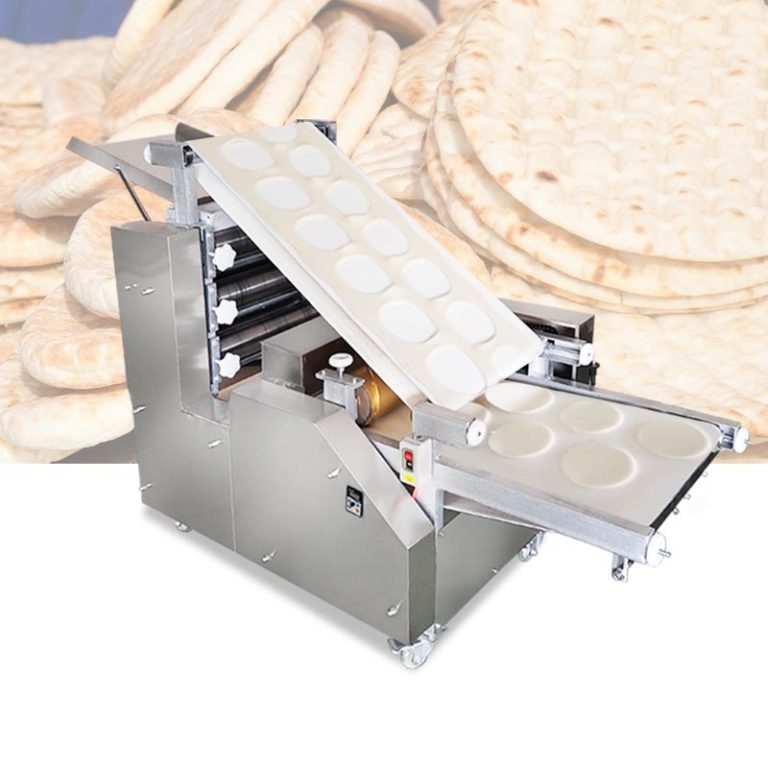
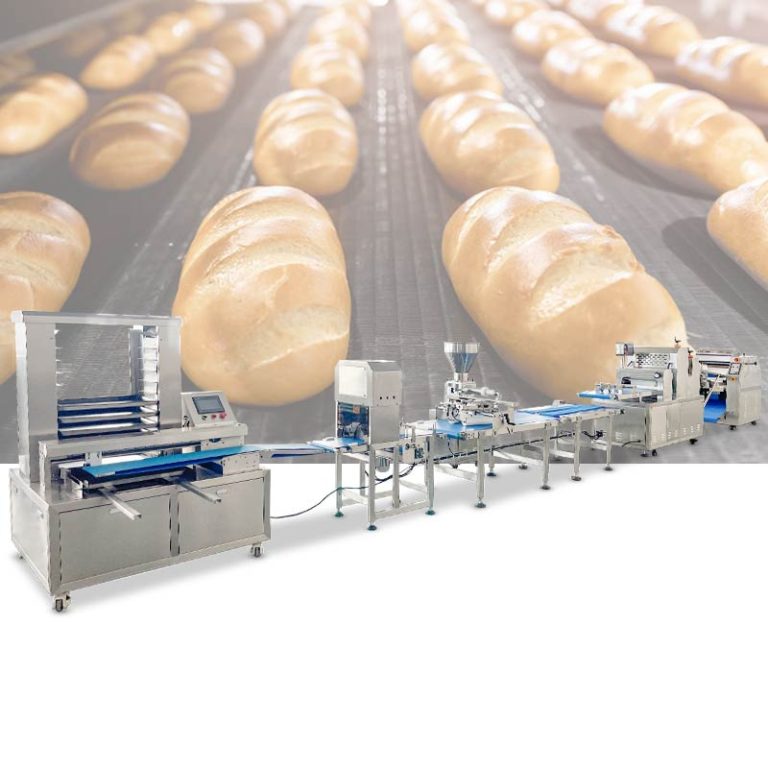
Una línea de producción de pan industrial moderna normalmente incluye:
- Sistemas de transporte de materias primas.
- Sistemas automáticos de mezcla de masa.
- Máquinas para dividir masa
- Boleadoras de masa
- Cámaras de fermentación intermedias
- Equipos de moldeo de masa
- Cámaras de fermentación final
- Hornos de túnel
- Transportadores de enfriamiento
- Sistemas de envasado automático
En regiones donde los costos laborales son altos, Las líneas de producción completamente automáticas a menudo ofrecen un retorno de la inversión más rápido..
Sin embargo, para panaderías pequeñas y medianas, Las soluciones semiautomáticas pueden ofrecer mayor flexibilidad y menores costos iniciales..
El nivel de automatización ideal depende de su escala de producción, disponibilidad de fuerza laboral, y una estrategia comercial a largo plazo en lugar de seguir un enfoque único para todos.
Preguntas frecuentes 3: ¿Puede la línea de producción manejar diferentes tipos de productos de pan??
Las preferencias de los consumidores en el mercado de la panadería cambian rápidamente.
Hoy, Los panes de hamburguesa pueden tener una gran demanda.. Mañana, los clientes pueden preferir pan dulce, baguettes, productos artesanales, o pan integral.
Es por eso que la flexibilidad debe ser una consideración clave al seleccionar una línea de producción de pan..
Haga al proveedor del equipo las siguientes preguntas:
* ¿Puede la línea procesar diferentes formulaciones de masa??
* ¿Qué tan rápido se pueden cambiar las especificaciones del producto??
* ¿Es conveniente reemplazar el molde??
* ¿El sistema de control admite el almacenamiento de recetas??
Aunque una línea de producción altamente flexible puede requerir una inversión inicial mayor, Puede ayudar a los fabricantes a adaptarse a las tendencias cambiantes del mercado y lanzar nuevos productos de manera más eficiente..
En muchos casos, Esta flexibilidad genera un valor significativo a largo plazo..
Preguntas frecuentes 4: ¿Cómo elegir el sistema de horno adecuado??
El horno es uno de los componentes más críticos de cualquier línea de producción de pan..
Influye directamente:
* color de la corteza
* Aspecto del producto
* textura interna
* Consistencia de horneado
En las panaderías comerciales se utilizan habitualmente varios tipos de hornos industriales..
Hornos de convección
Las ventajas incluyen:
* Distribución uniforme del calor
* Adecuado para panes y bollos blandos
* Funcionamiento relativamente eficiente desde el punto de vista energético
Hornos Túnel
Las ventajas incluyen:
* Producción continua
* Alta capacidad de producción
* Ideal para panaderías industriales a gran escala
Hornos de piedra
Las ventajas incluyen:
* Excelente para panes artesanales y estilo europeo.
* Crea una corteza crujiente distintiva y una textura auténtica.
Al seleccionar un sistema de horno, Los fabricantes deben considerar no sólo su cartera de productos actual sino también los planes futuros de desarrollo de productos..
Muchas panaderías exitosas invierten en equipos que dejan espacio para futuras innovaciones y expansiones..
Preguntas frecuentes 5: ¿Por qué son tan importantes las normas de seguridad alimentaria y los materiales de los equipos??
La seguridad alimentaria es una prioridad absoluta en la industria de la panadería.
Por lo tanto, Los materiales de construcción de equipos nunca deben pasarse por alto..
Las líneas de producción de pan industrial de alta calidad suelen contar con:
* Construcción de acero inoxidable SUS304
* Cintas transportadoras de calidad alimentaria
* Diseños estructurales higiénicos.
Al evaluar el equipo, prestar mucha atención a:
* Materiales que entran en contacto directo con los alimentos.
* Calidad de soldadura
* Facilidad de limpieza
* Disponibilidad de CIP (Limpieza en el lugar) sistemas
* Certificaciones internacionales y estándares de cumplimiento.
Una línea de producción diseñada higiénicamente ayuda a reducir los riesgos de contaminación, mejora la seguridad alimentaria, y apoya el cumplimiento de los requisitos reglamentarios.
Para panaderías orientadas a la exportación, Estos factores se vuelven aún más críticos..
Preguntas frecuentes 6: ¿Cómo se puede evaluar la solidez de un proveedor de equipos??
Muchas inversiones fallidas en equipos no se deben a la mala calidad de la maquinaria sino a un soporte técnico inadecuado por parte de los proveedores..
Al evaluar a un proveedor, considere los siguientes factores.
Experiencia en la industria
Elija fabricantes con amplia experiencia en la producción de equipos de panadería..
Referencias de proyectos exitosos
Revisar instalaciones anteriores, especialmente proyectos similares al tuyo, como:
* Líneas de producción de pan de hamburguesa
* Líneas de producción de pan tostado.
* Líneas de producción de masa congelada
Experiencia técnica
Un proveedor confiable debe proporcionar:
* Planificación del diseño de fábrica.
* Recomendaciones de optimización de procesos
* Servicios de instalación y puesta en marcha.
* Programas de formación de operadores.
Soporte posventa
Los servicios posventa sólidos deben incluir:
* Disponibilidad de repuestos
* Asistencia técnica remota
* Soporte de mantenimiento en sitio
A la larga, asociarse con un proveedor confiable a menudo ofrece mayor valor que seleccionar la opción de menor precio.
Preguntas frecuentes 7: ¿Qué costos ocultos deben considerarse además del precio del equipo??
Este es uno de los aspectos que más frecuentemente se pasa por alto en la compra de equipos..
In reality, el precio de compra representa sólo una parte de la inversión total.
Los costos adicionales incluyen:
Consumo de energía
Como:
* Electricidad
* Gas natural
* Vapor
* aire comprimido
Gastos Laborales
Una mayor automatización generalmente reduce los costos laborales a largo plazo.
Costos de mantenimiento
Incluido:
* Reemplazo de piezas de desgaste
* Mantenimiento preventivo
* Actualizaciones de software
Costos de tiempo de inactividad
Las interrupciones de la producción causadas por fallas en los equipos pueden resultar en pérdidas mucho mayores que los propios gastos de reparación..
Por esta razón, Muchos compradores experimentados utilizan un costo total de propiedad. (costo total de propiedad) enfoque en lugar de centrarse únicamente en el precio de compra inicial.
Preguntas frecuentes 8: ¿Es fácil actualizar la línea de producción en el futuro??
El crecimiento empresarial a menudo supera las expectativas.
A medida que aumenta la demanda, Es posible que la capacidad de producción deba duplicarse o incluso triplicarse con el tiempo..
Por lo tanto, La expansión futura debe considerarse durante la etapa inicial de selección del equipo..
Los factores importantes incluyen:
* Diseño de sistemas modulares
* Interfaces de expansión
* Capacidades de actualización de automatización
* Compatibilidad con tecnologías de fábrica inteligente
Una línea de producción escalable puede reducir significativamente los costos de inversión futuros y simplificar los proyectos de expansión de la fábrica..
Esta es una de las razones por las que los principales fabricantes de panadería ponen gran énfasis en la escalabilidad al seleccionar equipos..
¿Cómo se elige la línea de producción de pan industrial adecuada??
Al final, Comprar una línea de producción de pan industrial no es simplemente una cuestión de comparar precios.. Es una inversión estratégica que puede influir en el éxito de tu negocio de panadería durante muchos años..
Antes de tomar una decisión, Los fabricantes deben evaluar cuidadosamente:
* Requisitos de capacidad de producción
* Planes de diversificación de productos.
* Niveles de automatización
* Requisitos del proceso de horneado
* Normas de seguridad alimentaria
* Capacidades del proveedor
* Costo total de propiedad
* Potencial de expansión futura
Teniendo en cuenta todos estos factores, Las empresas de panadería pueden seleccionar una solución de producción que se alinee tanto con las necesidades operativas actuales como con los objetivos de crecimiento a largo plazo..
Para empresas que planean establecer o ampliar una instalación de panadería moderna, Trabajar con un fabricante experimentado de líneas de producción de pan puede reducir en gran medida los riesgos del proyecto y al mismo tiempo garantizar un rendimiento de producción óptimo..
Una línea de producción de pan industrial bien diseñada hace más que aumentar la productividad y la consistencia del producto.. Proporciona la base para un crecimiento sostenible y ayuda a las panaderías a seguir siendo competitivas en un mercado global cada vez más exigente..