


খামার থেকে টেবিল পর্যন্ত: "তাজা" অবশ্যই "নিরাপদ" হতে হবে
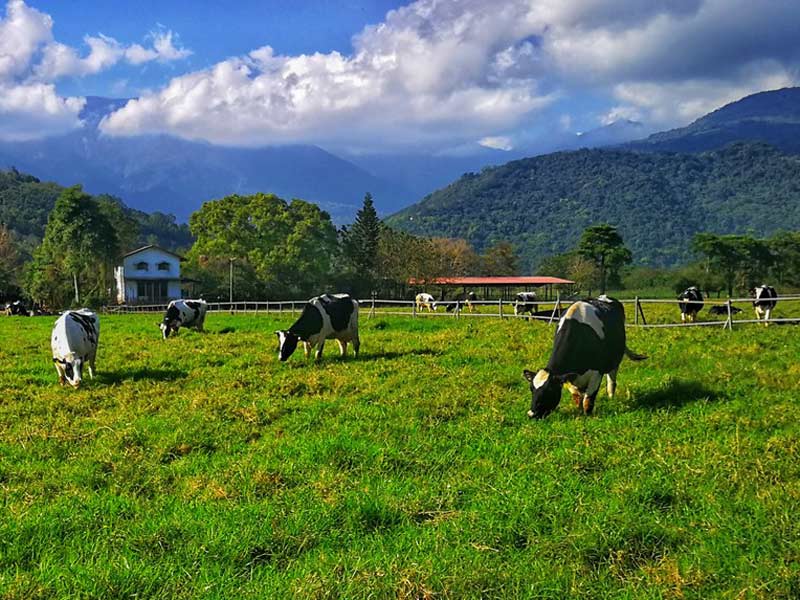
ক দুধ পাস্তুরাইজার কাঁচা দুধের নিরাপত্তা নিশ্চিত করার সাথে সাথে "খামার থেকে টেবিল" জীবনধারাকে আলিঙ্গন করে এমন পরিবার এবং ছোট খামারগুলির জন্য অপরিহার্য সরঞ্জাম।. সাম্প্রতিক বছরগুলোতে, যেহেতু মানুষ স্বাস্থ্যকর খাবারের প্রতি বেশি মনোযোগ দেয়, খামার থেকে টেবিলের প্রবণতা দ্রুত বৃদ্ধি পেয়েছে. অনেক পরিবার তাদের নিজস্ব গরু বা ছাগলের তাজা কাঁচা দুধ পান করা শুরু করেছে - সমৃদ্ধ স্বাদ, আরো স্বচ্ছ সোর্সিং, এবং অংশগ্রহণের একটি শক্তিশালী অনুভূতি.
তবে, কাঁচা দুধ স্বাভাবিকভাবেই খাদ্য-নিরাপত্তা ঝুঁকি বহন করে - কারণ এটি "নোংরা" নয়,কিন্তু কারণ এতে সালমোনেলার মতো অদৃশ্য প্যাথোজেন থাকতে পারে, ই. কোলি, এবং লিস্টেরিয়া. যদি স্টোরেজ বা হ্যান্ডলিং সামান্য অনুপযুক্ত হয়, এটি খাদ্যজনিত অসুস্থতার কারণ হতে পারে. সেজন্য আ দুধ পাস্তুরাইজার ক্রমশ গুরুত্বপূর্ণ হয়ে উঠছে.
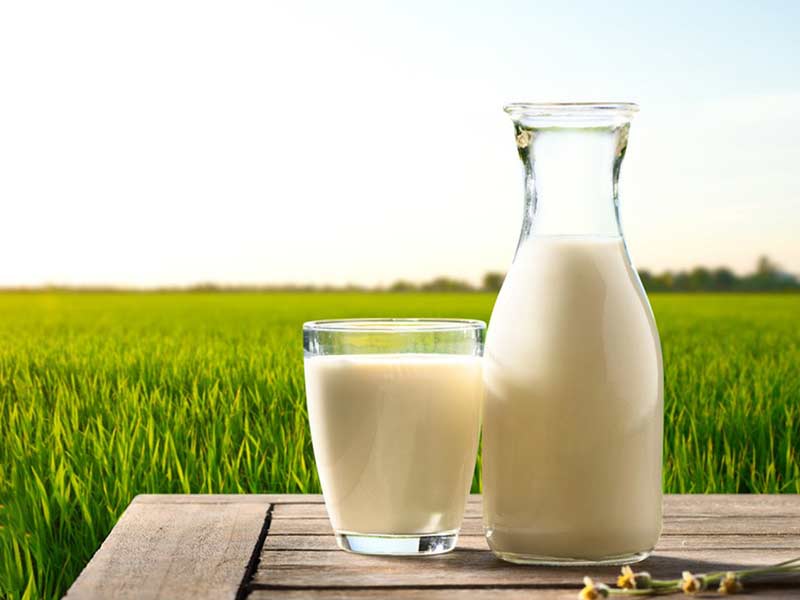
পাস্তুরাইজেশন কেন প্রয়োজনীয়?
"তাজা" এবং "নিরাপদ" এর মধ্যে,"পাস্তুরাইজেশন হল একটি সেতু যা আপনাকে অবশ্যই অতিক্রম করতে হবে. এটি দুধকে "ফুঁড়ে" দেয় না; পরিবর্তে, এটি যথাসম্ভব গন্ধ এবং পুষ্টি সংরক্ষণ করার সাথে সাথে প্যাথোজেনের ঝুঁকি উল্লেখযোগ্যভাবে কমাতে সুনির্দিষ্ট সময়-ও-তাপমাত্রা নিয়ন্ত্রণ ব্যবহার করে. আপনি একটি গরু বা একটি ছোট খামারের আউটপুট সম্প্রসারণকারী একজন হোম ব্যবহারকারী হোন না কেন, দুটি কারণের জন্য পাস্তুরাইজেশন বিষয়গুলি আয়ত্ত করা: খাদ্য নিরাপত্তা এবং আরো সামঞ্জস্যপূর্ণ পণ্য মানের সঙ্গে একটি দীর্ঘ শেলফ জীবন.
পাস্তুরাইজেশনের প্রাথমিক উদ্দেশ্য হল নিরাপত্তা - বৈজ্ঞানিকভাবে নিয়ন্ত্রিত গরম করা এবং ধারণ করা সম্ভাব্য প্যাথোজেনকে নিরাপদ স্তরে কমিয়ে দেয়. উপরন্তু, এটা শেলফ জীবন প্রসারিত. দুধে শুধুমাত্র অণুজীবই নয়, এনজাইম এবং সক্রিয় পদার্থও রয়েছে যা নষ্ট হওয়াকে ত্বরান্বিত করে।. সঠিক তাপ চিকিত্সা তাদের কার্যকলাপ "নিষ্ক্রিয়" বা কমাতে পারে, মন্থর souring, অফ-ফ্লেভার, এবং বিচ্ছেদ. আপনি লক্ষ্য করবেন যে দুধ সঠিকভাবে পাস্তুরিত করা হয় এবং দ্রুত ঠান্ডা হয় হিমায়নে আরও স্থিতিশীল থাকে, একটি পরিষ্কার স্বাদ সঙ্গে.
পাস্তুরাইজেশন তাপমাত্রার বিজ্ঞান
পাস্তুরাইজেশন "শুধু এটি গরম করা" নয়। এটি একটি নির্দিষ্ট "সময়-তাপমাত্রা" সমন্বয়ের উপর নির্ভর করে. দুটি সবচেয়ে সাধারণ পন্থা হল:
- লে (নিম্ন তাপমাত্রা দীর্ঘ সময়): ব্যাচ পাস্তুরাইজেশনও বলা হয়. একটি সাধারণ সেটিং হল 63°C (145°ফা) জন্য অনুষ্ঠিত 30 মিনিট. এই পদ্ধতিতে কম সরঞ্জামের প্রয়োজনীয়তা রয়েছে এবং এটি বাড়ির ব্যবহারের জন্য বা ছোট খামারগুলির জন্য আদর্শ যা ছোট ব্যাচগুলি পরিচালনা করে.
- এইচটিএসটি (উচ্চ তাপমাত্রা স্বল্প সময়): প্রায়ই ফ্ল্যাশ পাস্তুরাইজেশন বলা হয়. এটি খুব অল্প সময়ের জন্য উচ্চ তাপমাত্রা ব্যবহার করে, দ্রুত শীতল দ্বারা অনুসরণ. এটি বাণিজ্যিক ক্রমাগত উত্পাদনের জন্য আরও উপযুক্ত, উচ্চ দক্ষতা এবং কঠোর সামঞ্জস্য নিয়ন্ত্রণের সাথে.
বাড়িতে পাস্তুরাইজ করার ছয়টি ধাপ
হোম পাস্তুরাইজেশন বা ছোট-ব্যাচ প্রক্রিয়াকরণের জন্য, LTLT পদ্ধতিটি সাধারণত সবচেয়ে ব্যবহারিক. আপনার অত্যধিক জটিল সরঞ্জামের প্রয়োজন নেই - শুধুমাত্র আদর্শ প্রক্রিয়া অনুসরণ করুন.
আপনার প্রয়োজন সরঞ্জাম
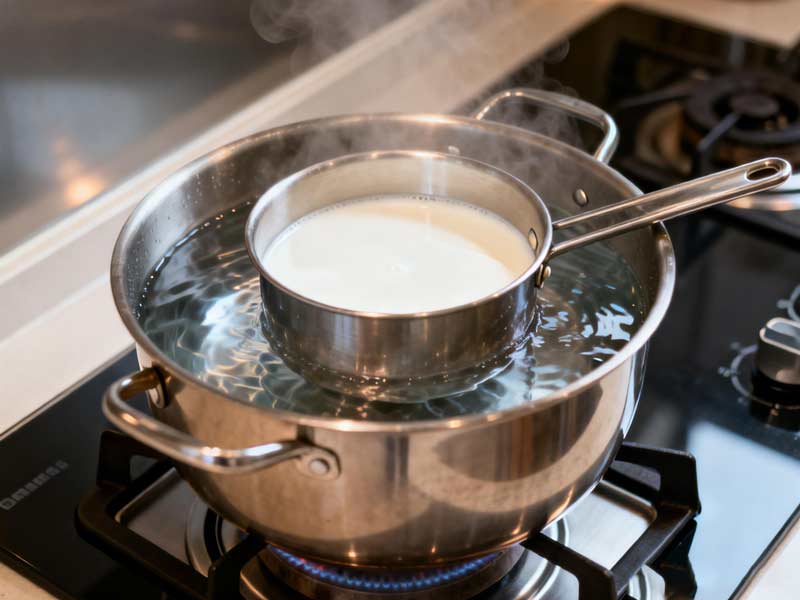
- ডাবল বয়লার (অথবা ওয়াটার-বাথ হিটিং সেটআপ): স্থানীয়ভাবে অতিরিক্ত গরম এবং ঝলসানো প্রতিরোধ করে
- ফুড-গ্রেড থার্মোমিটার: বিশেষত একটি ক্যালিব্রেটেবল ডিজিটাল প্রোব থার্মোমিটার
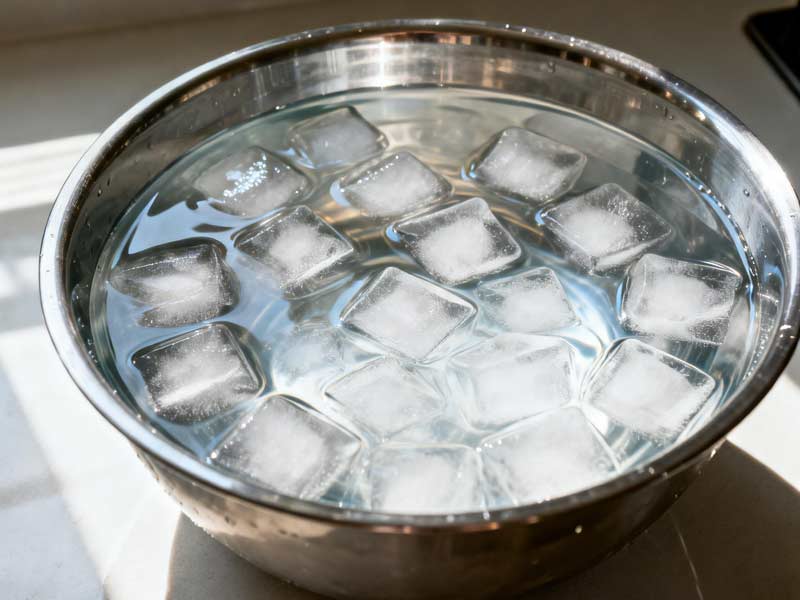
- আইস-ওয়াটার বাথ কন্টেইনার: দ্রুত শীতল করার জন্য
- পরিষ্কার খাদ্য-গ্রেড পাত্রে এবং সিল বোতল: আগাম স্যানিটাইজ করুন এবং বাতাসে শুকিয়ে নিন


প্রক্রিয়া (ক্রম অনুসরণ করুন)
- প্রস্তুতি এবং স্যানিটেশন: দুধের সাথে যোগাযোগ করবে এমন সমস্ত সরঞ্জাম পরিষ্কার এবং স্যানিটাইজ করুন. এই পদক্ষেপটি "সেকেন্ডারি দূষণ" পরে ঘটবে কিনা তা নির্ধারণ করে.
- ওয়াটার-বাথ হিটিং: ভিতরের পাত্রে দুধ ঢালুন এবং বাইরের পাত্রে গরম জল দিয়ে গরম করুন. এটি মৃদু উত্তাপ প্রদান করে এবং রান্না করা/পোড়া স্বাদ কমায়.
- 63 ডিগ্রি সেলসিয়াসে তাপ (145°ফা) এবং ধরে রাখুন 30 মিনিট: লক্ষ্য তাপমাত্রা পৌঁছে গেলে সময় শুরু করুন. তাপমাত্রার ওঠানামা যতটা সম্ভব ছোট রাখুন.
- ক্রমাগত আলোড়ন: এমনকি গরম করার জন্য গুরুত্বপূর্ণ, নীচের অতিরিক্ত গরম প্রতিরোধ, "রান্না করা" স্বাদ হ্রাস করা, এবং পরিমাপ করা তাপমাত্রা নিশ্চিত করা প্রকৃত গড় প্রতিফলিত করে.
- কী কুলিং স্টেজ: দ্রুত শীতল 4°C (40°ফা): গরম করার পরে অবিলম্বে পাত্রটিকে একটি বরফ-জলের স্নানে রাখুন এবং দ্রুত তাপ হ্রাস করতে নাড়তে থাকুন. দ্রুত শীতল করা ঐচ্ছিক নয়-এটি একটি প্রয়োজনীয় নিরাপত্তা ব্যবস্থা. কুলিং যত ধীর হবে, জীবাণু বা পরিবেশ দূষণ থেকে বেঁচে থাকার আরও সুযোগ.
- বোতল এবং ফ্রিজে: স্যানিটাইজড সিল করা পাত্রে স্থানান্তর করুন এবং যত তাড়াতাড়ি সম্ভব ফ্রিজে রাখুন. ঘরের তাপমাত্রায় এটি রেখে যাওয়া এড়িয়ে চলুন এবং বারবার খোলা এড়িয়ে চলুন.
যতক্ষণ না আপনি কঠোরভাবে দুটি নীচের লাইন-63°C × অনুসরণ করেন 30 মিনিট + 4°C-তে দ্রুত ঠাণ্ডা করা - হোম পেস্টুরাইজেশন নিরাপত্তা এবং স্বাদের ভারসাম্য বজায় রাখতে পারে. কিন্তু একবার দৈনিক ভলিউম বাড়ে, ম্যানুয়াল প্রক্রিয়াকরণ দ্রুত ক্লান্তিকর হয়ে ওঠে.
ছোট-খামার পাস্তুরাইজেশনের পরবর্তী স্তর
ম্যানুয়াল পাস্তুরাইজেশনের সীমাবদ্ধতা
যখন আপনি "কখনও কখনও কিছু করা" থেকে "প্রতিদিন এটি করা" এ স্থানান্তরিত হন,ম্যানুয়াল পাস্তুরাইজেশন স্পষ্ট সীমাবদ্ধতা দেখায়. অনেক কৃষক একে "চুলা ক্লান্তি" বলে:
- অস্থির তাপমাত্রা নিয়ন্ত্রণ, ব্যাচ থেকে ব্যাচ পার্থক্য নেতৃস্থানীয়
- উচ্চ শ্রম খরচ এবং ধ্রুবক পর্যবেক্ষণ
- অপারেটর ক্লান্তি মানব-ত্রুটির ঝুঁকি বাড়ায়
- প্রমিত রেকর্ড, ট্রেসেবিলিটি, এবং সম্মতি কঠিন হয়ে পড়ে
পেশাদার সরঞ্জামের মূল সুবিধা
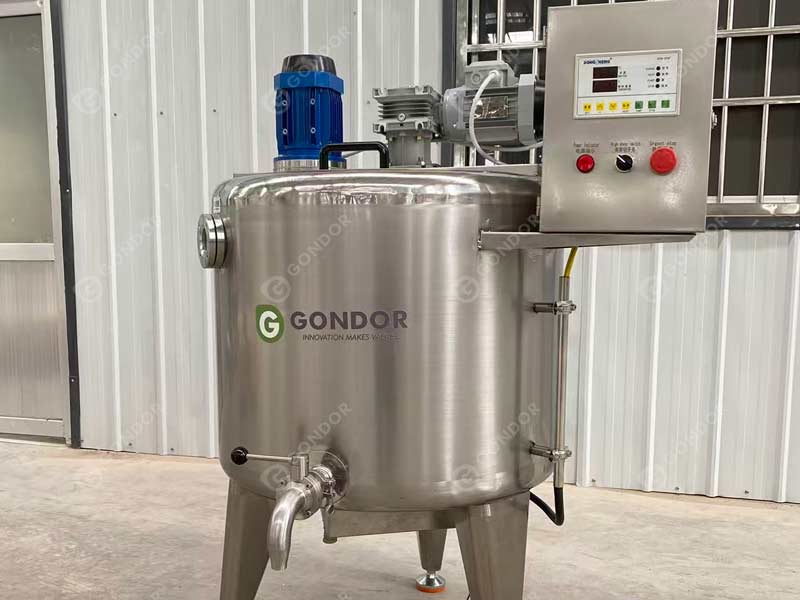
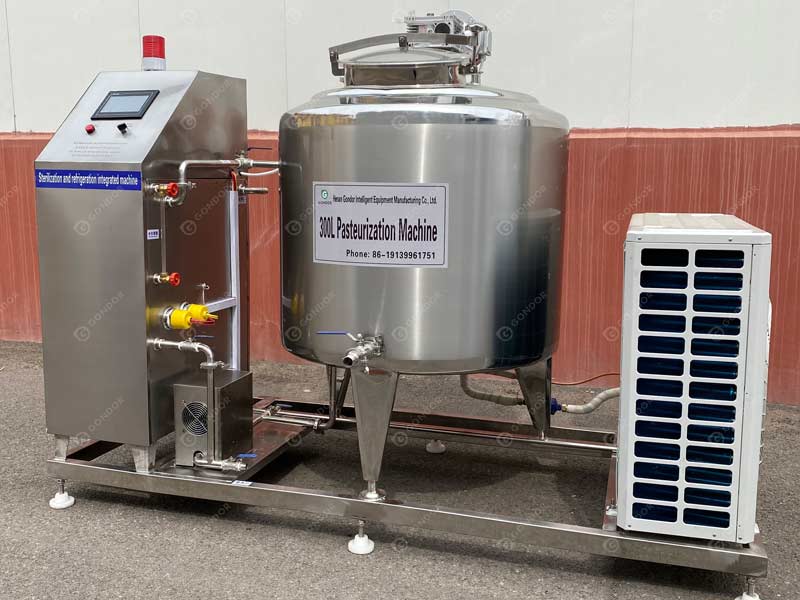
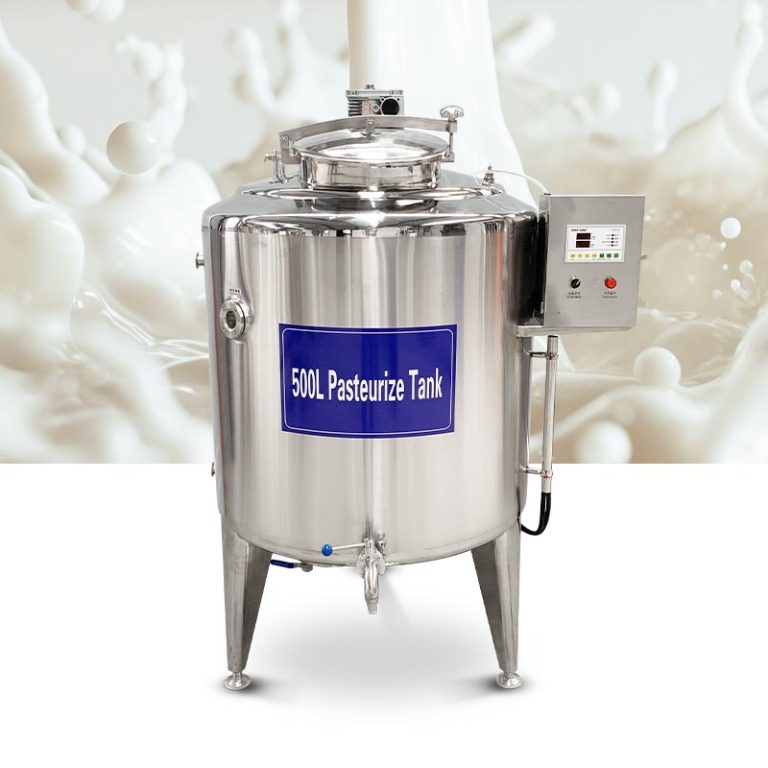
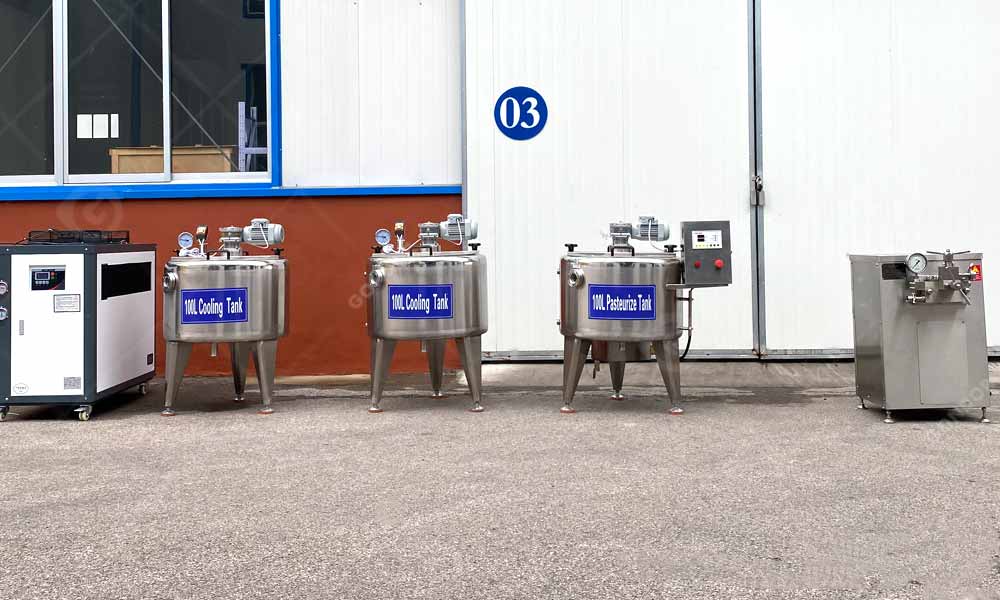
এখানেই ডেডিকেটেড যন্ত্রপাতি তার মূল্য প্রমাণ করে. একটি অটোমেটিক মিল্ক পাস্তুরাইজার সহ, মূল সুবিধা হল "তাপমাত্রা-সময়-নাড়া-ঠান্ডা"কে পুনরাবৃত্তিযোগ্য করে তোলা, নিরীক্ষণযোগ্য, এবং রেকর্ডযোগ্য প্রক্রিয়া. সেন্সর এবং কন্ট্রোল সিস্টেম গরম করার স্বয়ংক্রিয়, হোল্ডিং/টাইমিং, এবং ঠান্ডা যুক্তি, প্রতিটি ব্যাচকে একই মানের কাছাকাছি তৈরি করা.
- যথার্থ নিয়ন্ত্রণ: ডিজিটাল সেন্সর + স্বয়ংক্রিয় সময় "প্রায় সঠিক" ঝুঁকি কমায়
- মৃদু প্রক্রিয়াকরণ: মসৃণ গরম করার বক্ররেখা এবং নাড়া অতিরিক্ত গরম এবং "রান্না করা" স্বাদ কমায়, স্বাদ ভাল সংরক্ষণ
- মাল্টি-ফাংশন ব্যবহার: অনেক খামারও দই তৈরি করে, সংস্কৃতি, পনির প্রাক প্রক্রিয়াকরণ, বা বাছুরের দুধ খাওয়ানোর ব্যবস্থা করুন—একটি ভাল ইউনিট আরও দুগ্ধের পরিস্থিতি কভার করতে পারে
- উচ্চতর দক্ষতা: একই সময়ে আরও ভলিউম, একই কর্মীদের দ্বারা পরিচালিত আরও ব্যাচ
Gondor Pasteurizers স্বয়ংক্রিয় দুগ্ধ প্রক্রিয়াকরণ ক্ষমতায়ন
সংক্ষেপে, হোম পদ্ধতি ছোট ব্যাচ এবং ব্যক্তিগত ব্যবহারের জন্য ভাল কাজ করে. যতক্ষণ না আপনি সময় এবং তাপমাত্রা কঠোরভাবে নিয়ন্ত্রণ করেন এবং দ্রুত শীতল করেন, আপনি নিরাপত্তা এবং গন্ধ ভারসাম্য করতে পারেন. কিন্তু আপনি যখন স্থিতিশীল সরবরাহে যান, ক্রমাগত উত্পাদন, বা সম্প্রসারণ, সরঞ্জামের সুবিধাগুলি খুব স্পষ্ট হয়ে ওঠে: শক্তিশালী ধারাবাহিকতা, উচ্চ দক্ষতা, কম ঝুঁকি, এবং সহজ অপারেশন.