

Gondor Liquid Filling Machine
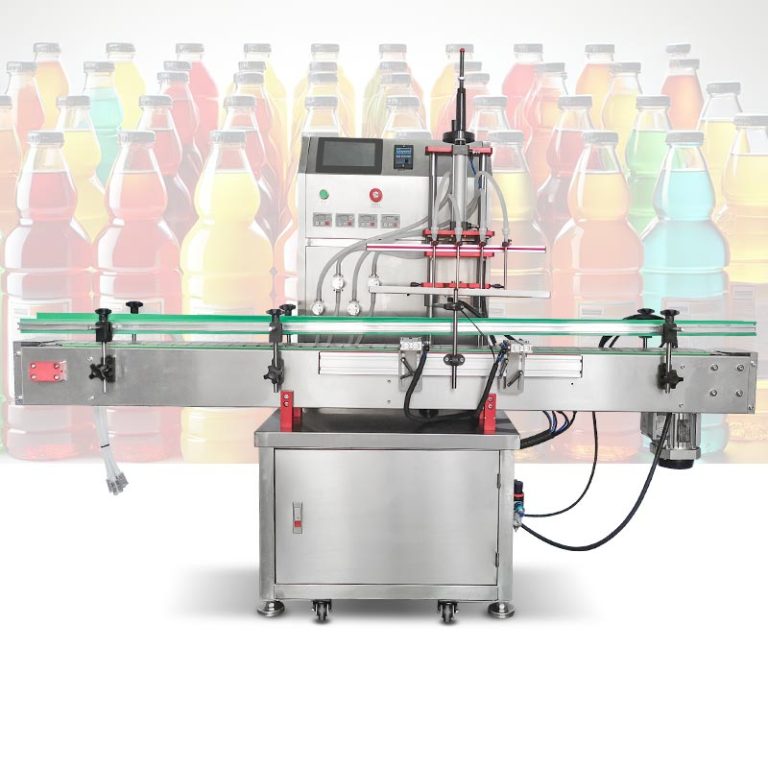
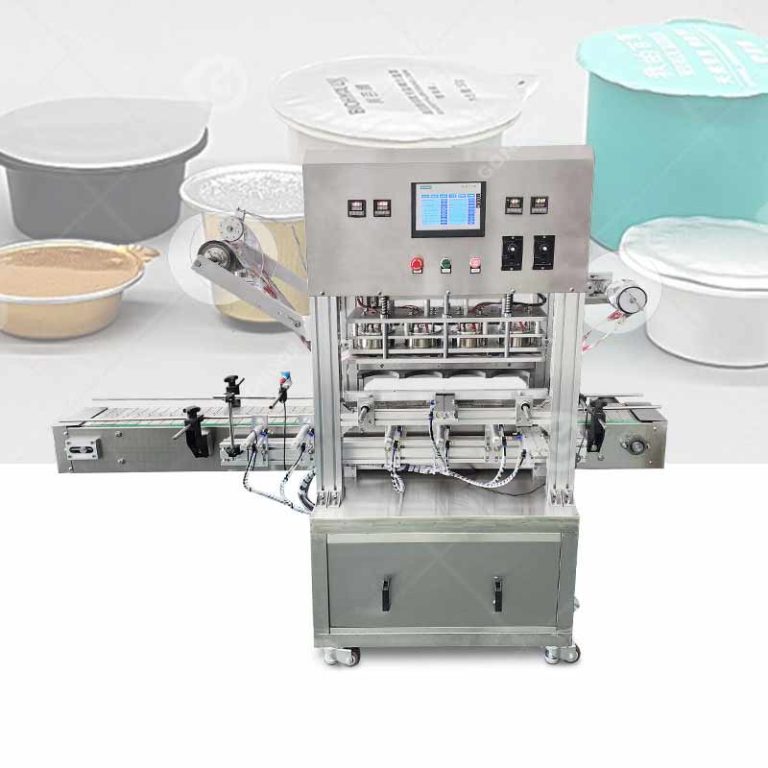
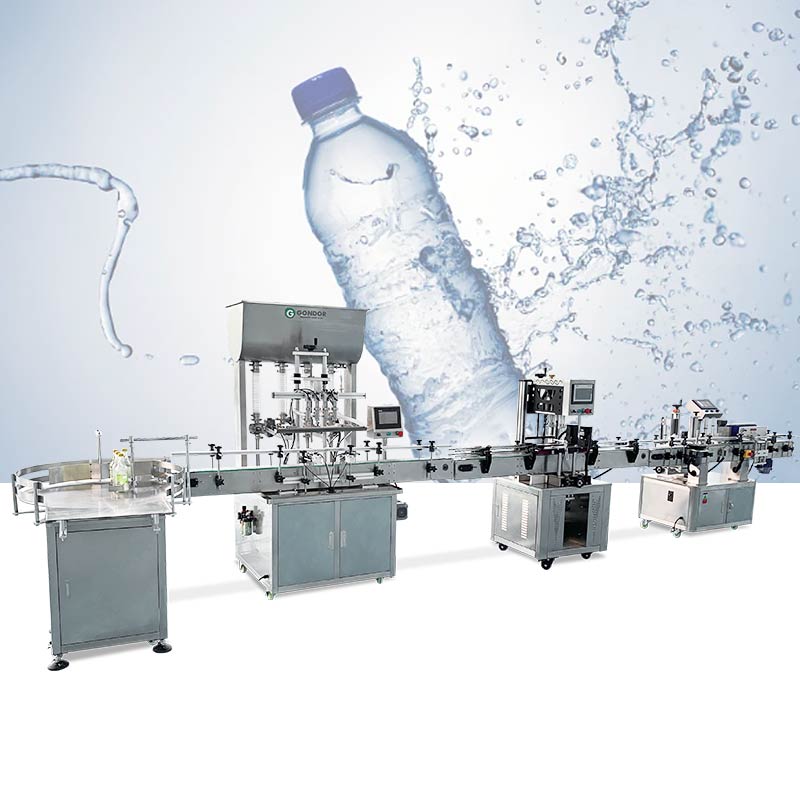
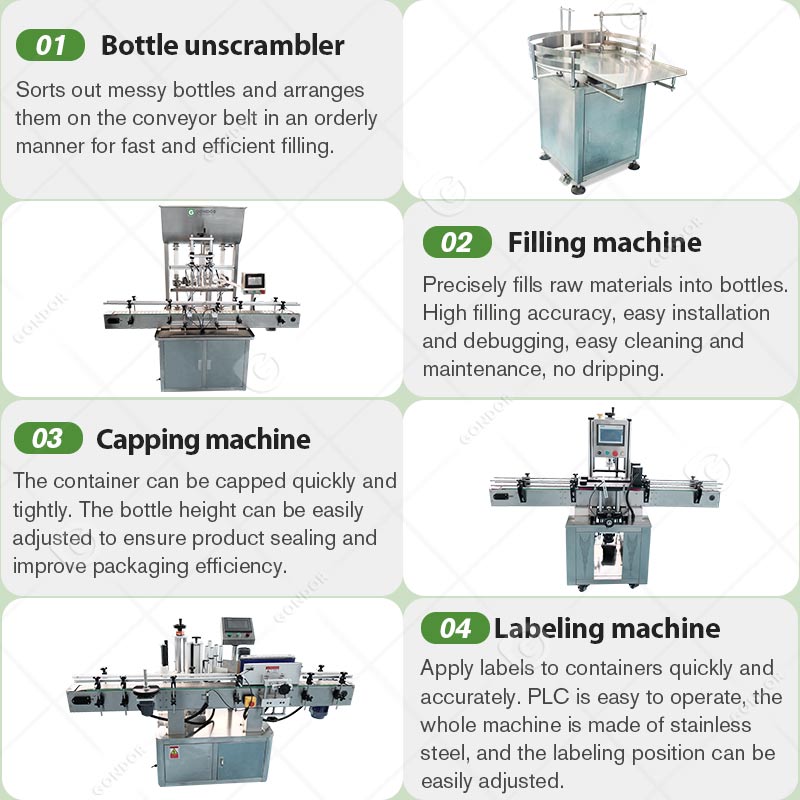
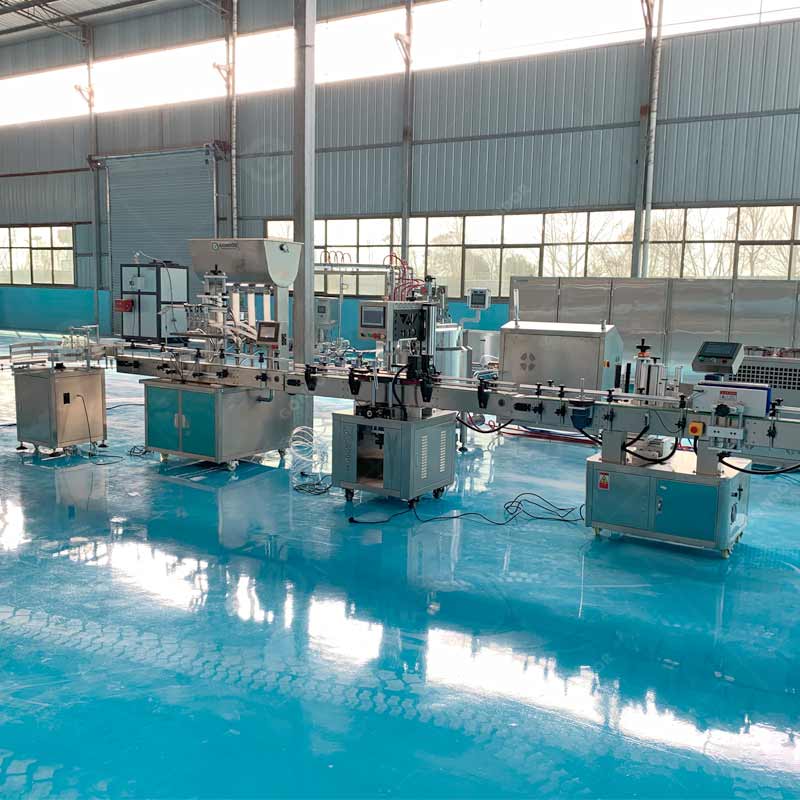
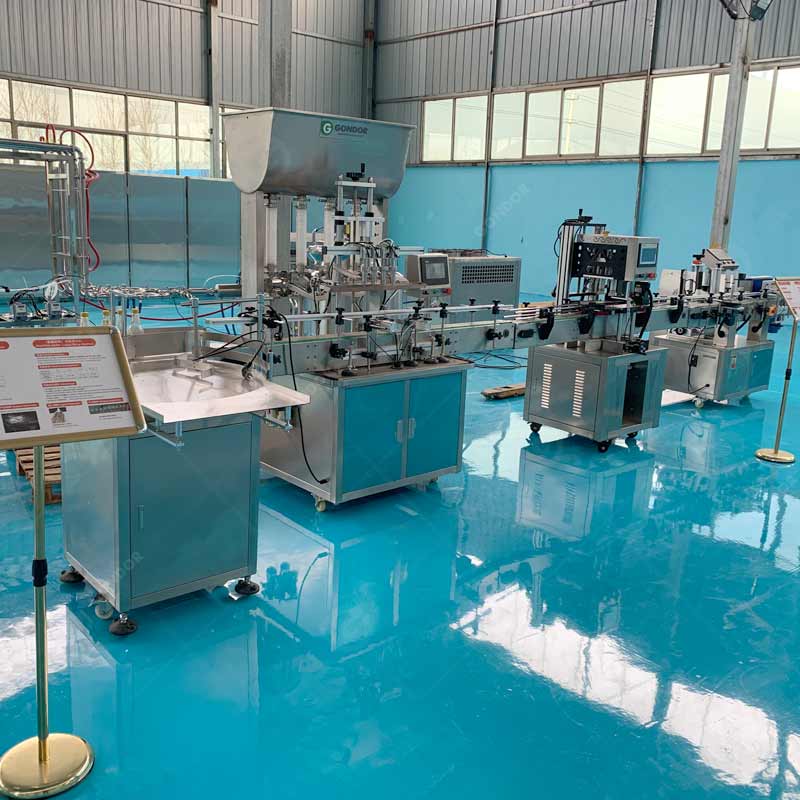
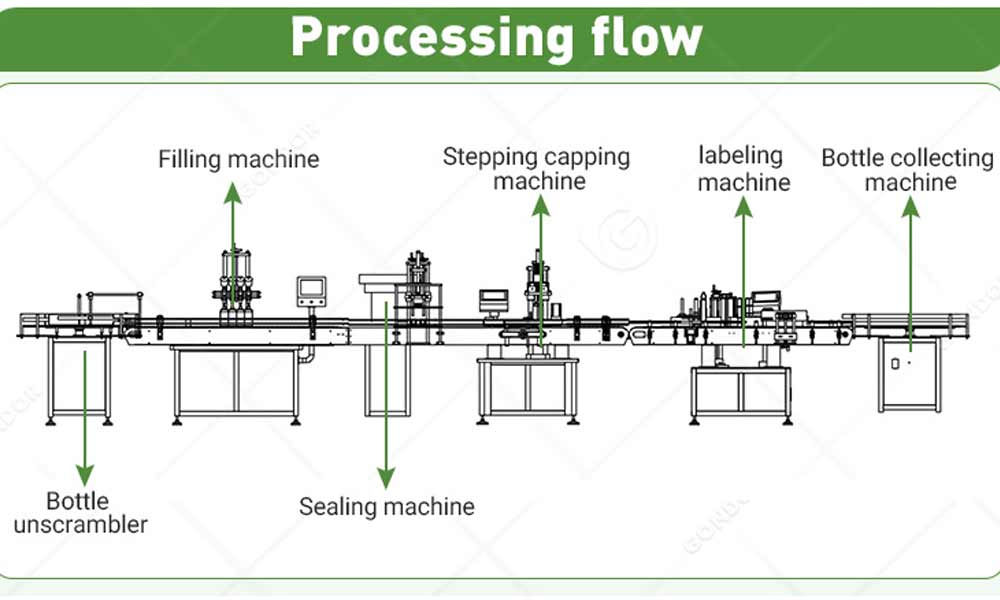
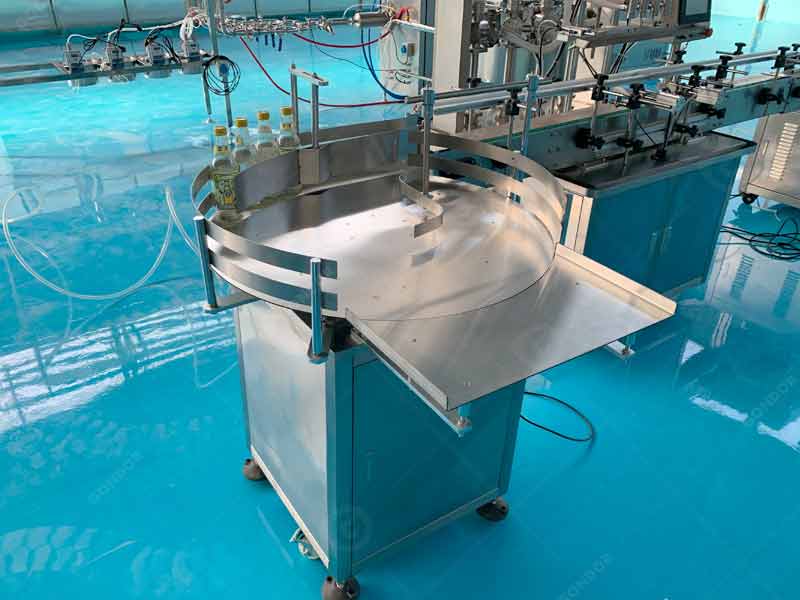
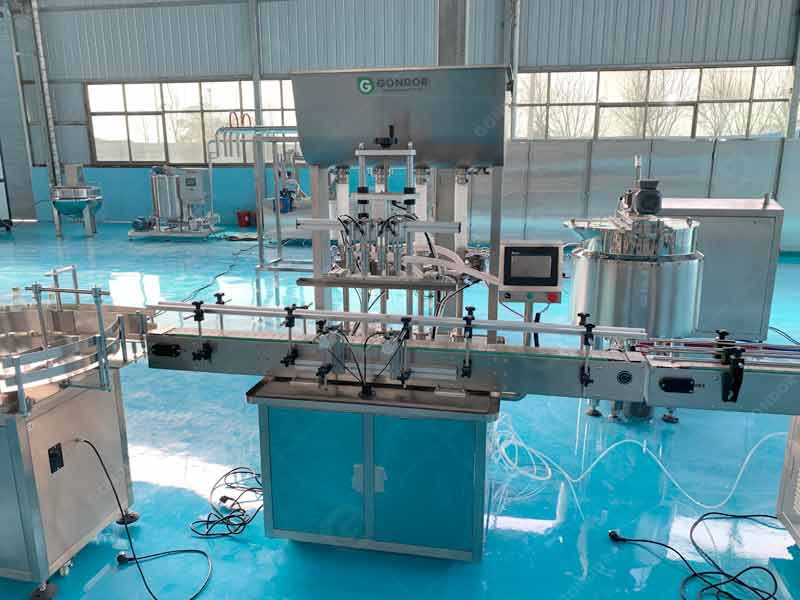
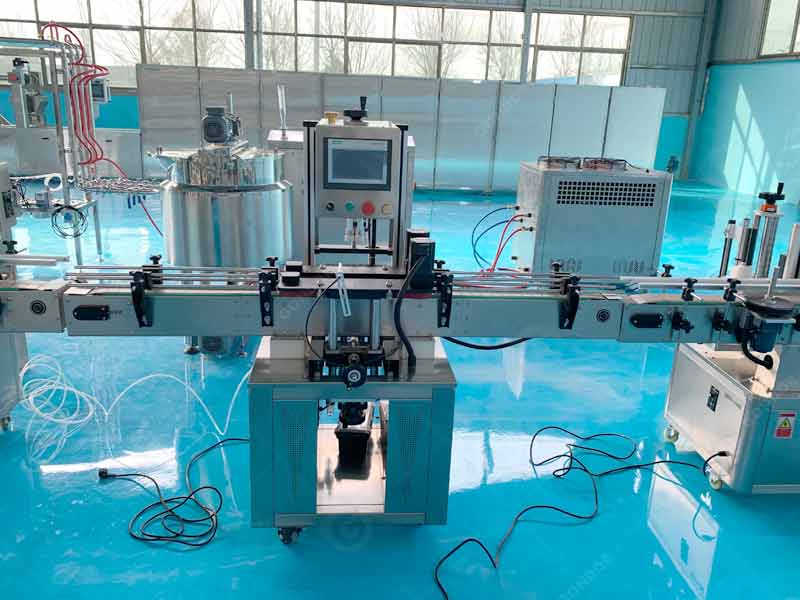
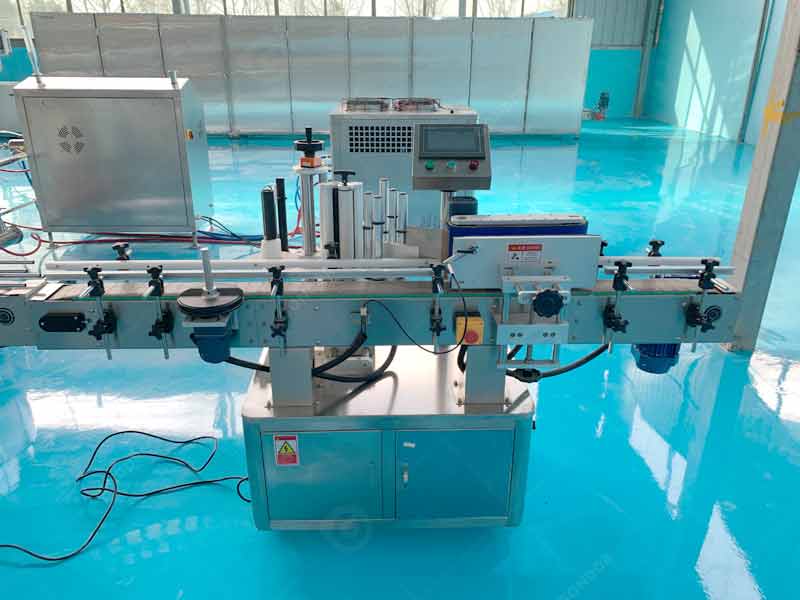
This liquid filling line integrates automatic bottle sorting, precise filling, high-speed sealing, and intelligent labeling, forming a comprehensive automatic packaging system. The whole line adopts a PLC intelligent control system, combined with a high-precision filling module, which can control the filling error of each bottle of liquid within 1%, thus meeting the needs of high-speed, large-scale, and precision production. At the same time, the equipment is made of food-grade 304 stainless steel, which conforms to international health standards, and is not only stable in operation but also convenient in maintenance, making it very suitable for the modern liquid packaging industry.
Liquid Filling Production Line Specification
| Products | Bottle unscrambler | Filling Machine | Capping Machine | Labeling Machine |
| Voltage | 220v | |||
| Power | 120w | 500w | 0.8kw | 1.5kw |
| Yield | / | 5-60 bottles/min | 30-60 pieces/min | 20-200 pieces/min |
| Weight | 120kg | 800kg | 550kg | 270kg |
| Size(mm) | 1250*1250*1350 | 2000*1250*1600 | 2000*850*1800 | 1220*1250*1470 |
| Bottle Diameter | / | / | ∅35-∅140mm | ∅30-∅180mm |
| Label Height | / | / | / | 15-150mm |
| Label Length | / | / | / | 25-300mm |
| Bottle Cap Diameter | / | / | 20-100mm | / |
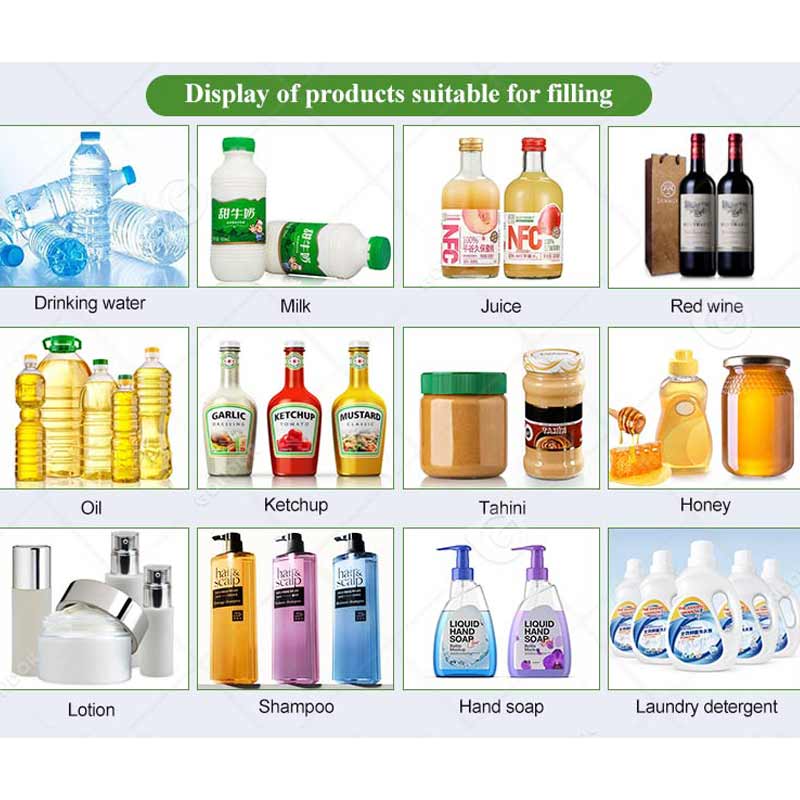
Industry Applications of Liquid Filling Production Line
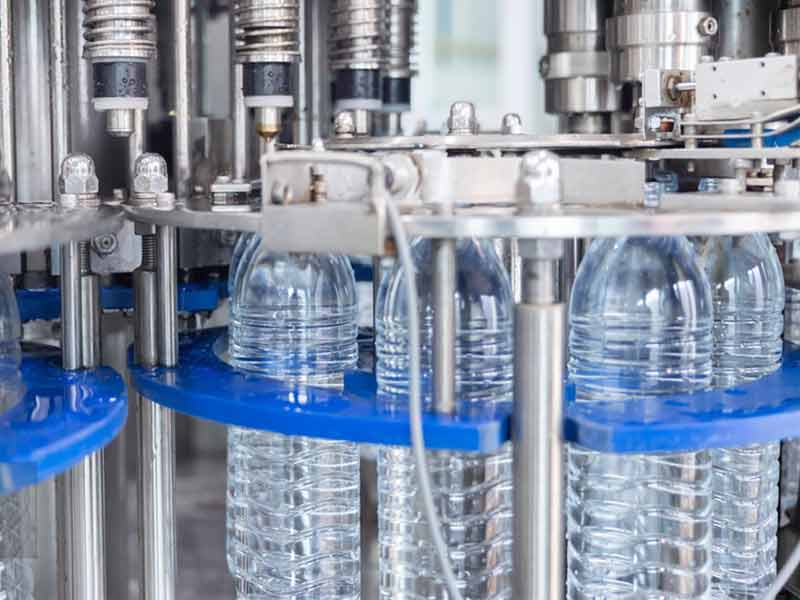
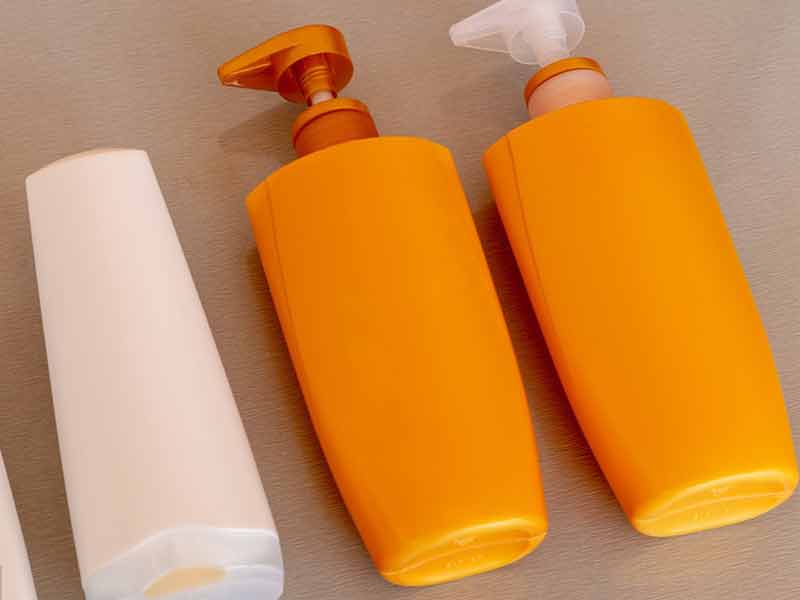
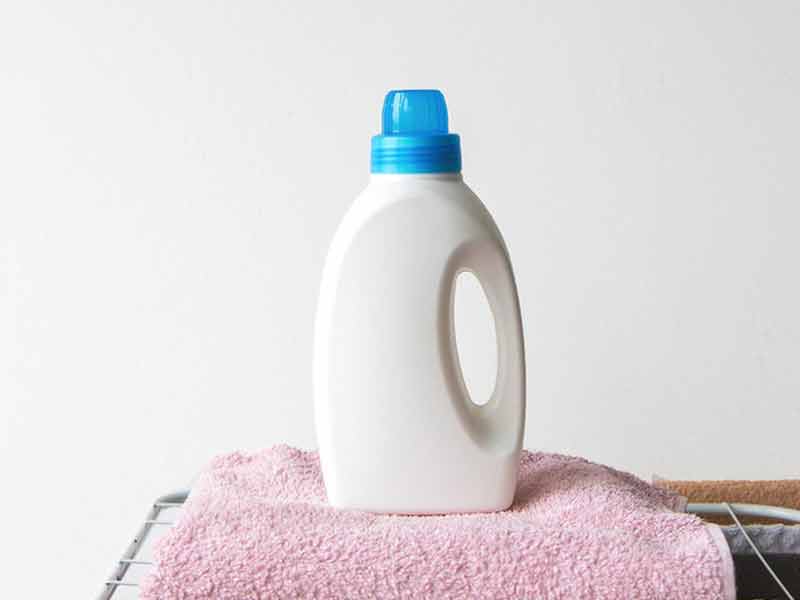
This filling production line is especially suitable for the packaging of various liquid products, covering a wide range of industries, including but not limited to:
Outstanding Performance of Liquid Production Line
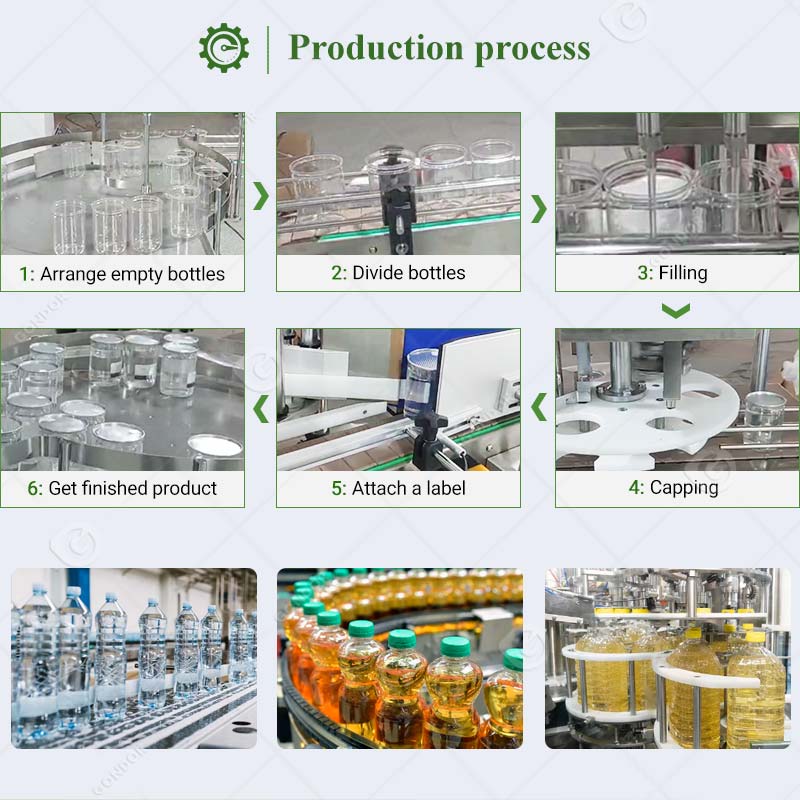
Liquid Filling Line Workflow
Liquid filling machines are based on zoned control and synchronous tracking. The production line is centrally scheduled by a PLC. Sensors at each station (photoelectric, proximity switches, etc.) detect the container position and feed the signals back to the control system, which then directs the corresponding mechanisms (such as filling heads and capping heads) to complete precise actions at the moment of movement or stillness.
A typical workflow is as follows (taking beverage bottles as an example):
Empty Bottle Supply: Empty bottles, after being depalletized or exiting from the upstream blow molding machine, are fed into the production line in a single, evenly spaced column by a conveyor belt.
Empty Bottle Cleaning (if required): Bottles are rinsed with purified air or sterile water at an inverted rinsing station with the bottle neck facing down.
Alignment and Filling: The conveyor belt delivers the bottles to the rotary table or linear filling station of the filling machine, where the bottle neck is precisely positioned below the filling valve.
Immediate Sealing: Filled bottles are immediately sent to the sealing unit, where the capping head grabs the cap and tightens it, or a capping machine presses on the crown cap.
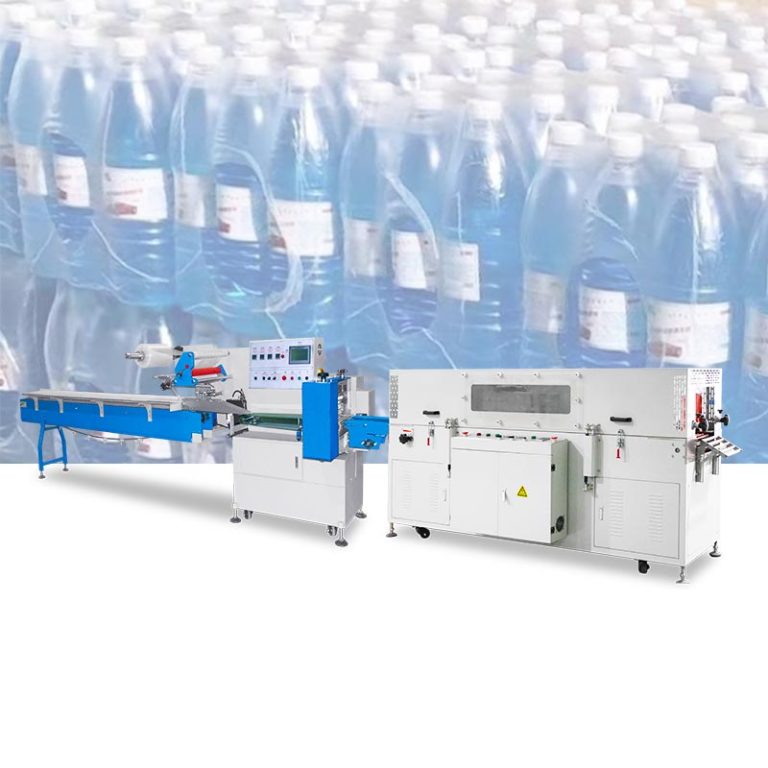
Secondary sealing and labeling: This may involve aluminum foil sealing, heat shrink film sealing, etc. The product then enters the labeling machine for precise affixing of the main label.
Online inspection and marking: A checkweigher removes products with insufficient filling volume; a vision inspection system checks the liquid level, sealing, and labeling quality; an inkjet printer prints the production date and batch number on the bottle or label.
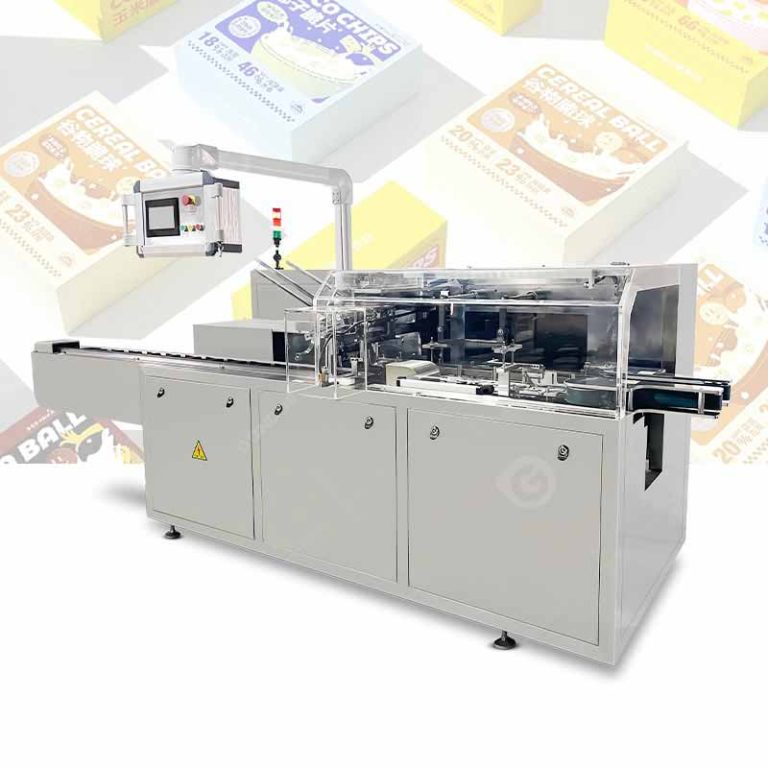
Finished product output: Qualified products are collected by a conveyor belt and automatically packed into cartons or crates by a case packer. Finally, they may be stacked into palletized stacks by a palletizing robot, awaiting warehousing.
Matching Equipment Recommendation
To build a more efficient, fully automatic packaging workshop, you can also consider using the following equipment:
- Carton Sealer
- Inkjet Printer
- Heat Shrink Tunnel Machine
- Conveyor System