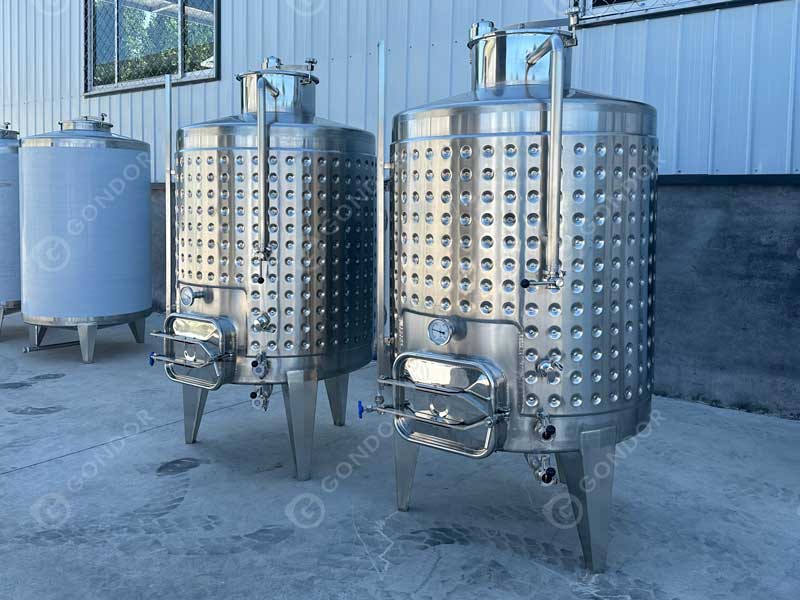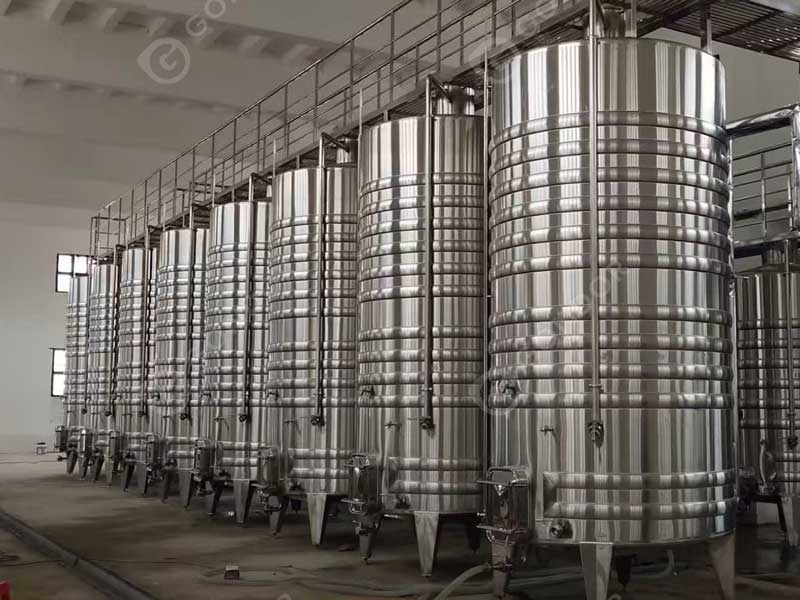



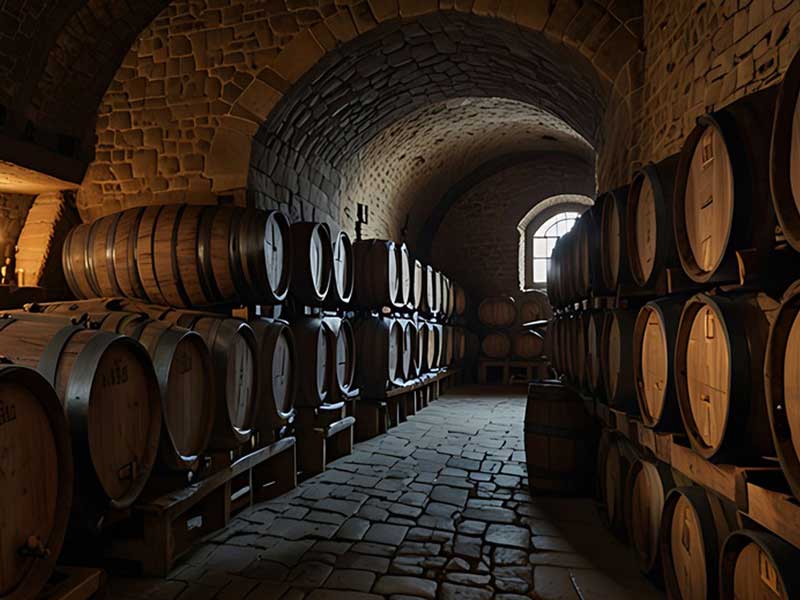
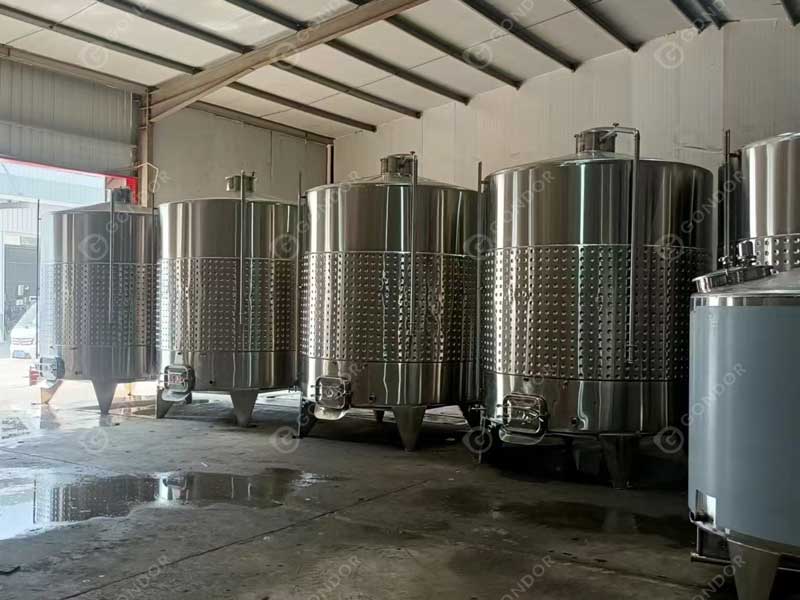
ওয়াইন তৈরি করা একটি নিছক প্রযুক্তিগত কাজ ছিল না. এটি একটি শিল্প এবং একটি কঠোর বিজ্ঞান উভয়ই. একদিকে, ওয়াইন মেকাররা চিনির উপাদান বিচার করার জন্য অভিজ্ঞতার উপর নির্ভর করে, অম্লতা এবং স্বাদ পরিবর্তন; অন্য দিকে, তাপমাত্রা পার্থক্য প্রতিটি ডিগ্রী, অক্সিজেনের সাথে প্রতিটি যোগাযোগ এবং গাঁজন পরিবেশে প্রতিটি আলোড়ন চক্র সরাসরি ওয়াইনের চূড়ান্ত কাঠামো এবং স্বাদ স্তরকে প্রভাবিত করবে. এই কারণে, আধুনিক ওয়াইন উৎপাদন অনেক আগেই ঐতিহ্যবাহী কাঠের ব্যারেল বা খোলা পাত্র থেকে দূরে সরে গেছে এবং আরও স্থিতিশীল হয়ে উঠেছে, নিয়ন্ত্রণযোগ্য এবং স্বাস্থ্যকর পেশাদার স্টেইনলেস স্টীল ওয়াইন গাঁজন ট্যাংক. এটা বলা যেতে পারে যে গাঁজন ট্যাঙ্ক হল শিল্প এবং বিজ্ঞানের সংযোগস্থল.

ওয়াইন ফার্মেন্টেশন ট্যাঙ্কের কাজের নীতি
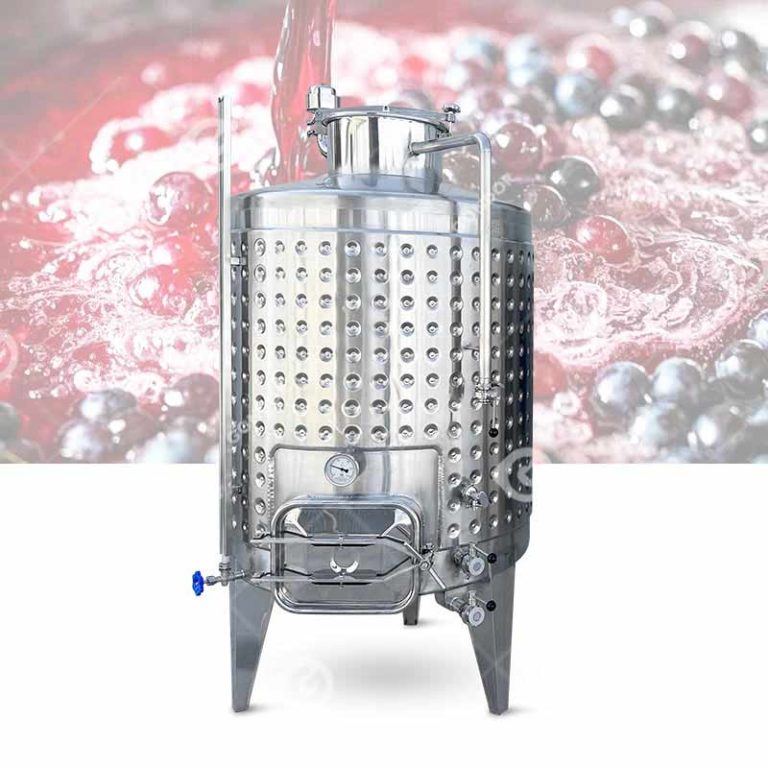
বাণিজ্যিক ওয়াইন তৈরিতে, নিয়ন্ত্রণ হল মানের গ্যারান্টি. আধুনিক স্টেইনলেস স্টীল ওয়াইন গাঁজন ট্যাঙ্কগুলি সাধারণত একটি সম্পূর্ণ সিল করা কাঠামো গ্রহণ করে এবং জল-সিলযুক্ত শ্বাসযন্ত্রের যন্ত্রগুলির সাথে সজ্জিত থাকে. এই ডিভাইসটি গাঁজন করার সময় উত্পাদিত কার্বন ডাই অক্সাইডকে বহিষ্কার করতে পারে যখন বাতাস প্রবেশে বাধা দেয়, কার্যকরভাবে বিদেশী ব্যাকটেরিয়া দ্বারা জারণ এবং দূষণ প্রতিরোধ.
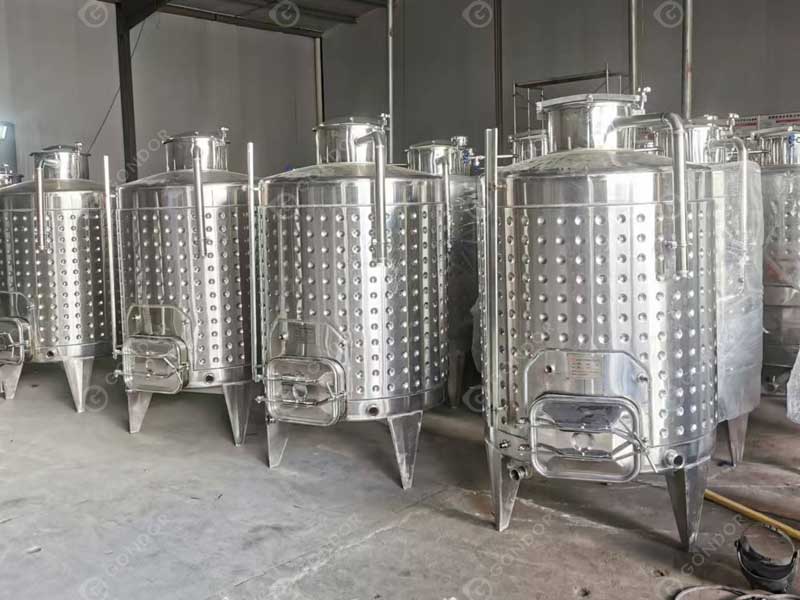
একই সময়ে, জ্যাকেট কুলিং সিস্টেম দ্রুত গাঁজন এর তাপ কেড়ে নিতে পারে এবং খামির কার্যকলাপ স্থিতিশীল রাখতে পারে. আমরা সবাই জানি, খুব উচ্চ তাপমাত্রা খামির বিপাক বাধা দেবে, এবং খুব কম তাপমাত্রা গাঁজন চক্রকে দীর্ঘায়িত করবে, তাই সঠিক তাপমাত্রা নিয়ন্ত্রণ খুবই গুরুত্বপূর্ণ.
উপরন্তু, উচ্চ-চাপ সঞ্চালন স্প্রে সিস্টেম ক্রমাগত আঙ্গুর স্কিনস এবং ওয়াইন স্প্রে করতে পারে, রঙ সম্পূর্ণ নিষ্কাশন প্রচার, ট্যানিন এবং সুগন্ধযুক্ত পদার্থ, ওয়াইন বডিকে আরও পূর্ণাঙ্গ করে তোলা. এই বন্ধ, নিয়ন্ত্রণযোগ্য এবং পরিষ্কার পরিবেশ, ফ্রুক্টোজ দক্ষতার সাথে অ্যালকোহলে রূপান্তরিত হয়, এবং শেষ পর্যন্ত, কঠিন এবং তরল স্বয়ংক্রিয় বিচ্ছেদ অর্জন করা হয়.
ওয়াইন গাঁজন সম্পূর্ণ করার ছয়টি ধাপ
ধাপ 1: গাঁজন আগে প্রস্তুতি
সফল গাঁজন করার চাবিকাঠি স্বাস্থ্যবিধি দিয়ে শুরু হয়.
খাওয়ানোর আগে, ট্যাঙ্কটি অবশ্যই সিআইপি পরিষ্কার এবং জীবাণুমুক্তকরণের চিকিত্সার মধ্য দিয়ে যেতে হবে. যখন রস বা পাল্প ট্যাঙ্কে প্রবেশ করে, এটা নিশ্চিত করা উচিত যে কোন অমেধ্য এবং কোন জীবাণু দূষণ নেই. গন্ডর ডাবল-লেয়ার SUS304 স্টেইনলেস স্টীল কাঠামো শুধুমাত্র জারা-প্রতিরোধী এবং পরিষ্কার করা সহজ নয়, তবে বাহ্যিক তাপমাত্রার ওঠানামাকে আলাদা করতে পারে এবং প্রাথমিক গাঁজন করার জন্য একটি স্থিতিশীল পরিবেশ তৈরি করতে পারে.
ধাপ 2: গাঁজন শুরু করুন
সমানভাবে রসে সক্রিয় খামির যোগ করার পরে, অবিলম্বে ধারক সীল. সিল করা পরিবেশ কার্যকরভাবে অক্সিডেশন প্রতিরোধ করতে পারে এবং খামিরের জন্য আদর্শ অ্যানেরোবিক গাঁজন শর্ত সরবরাহ করতে পারে. এই সময়ে, কার্বন ডাই অক্সাইড ধীরে ধীরে এয়ারলকের মাধ্যমে নির্গত হয়, এবং গাঁজন প্রক্রিয়া আনুষ্ঠানিকভাবে শুরু হয়.
ধাপ 3: সুনির্দিষ্ট তাপমাত্রা নিয়ন্ত্রণ
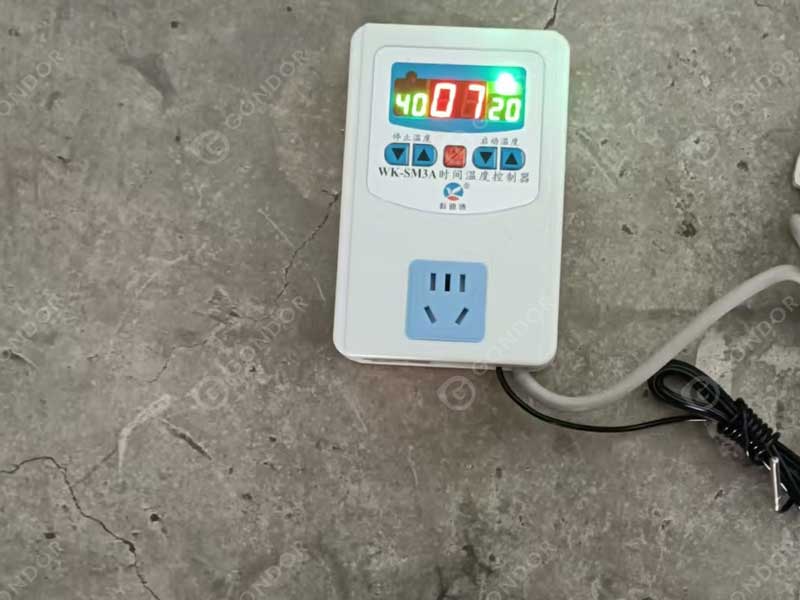
গাঁজন প্রক্রিয়া চলাকালীন, তাপমাত্রা ক্রমাগত বৃদ্ধি পাবে. তাপমাত্রা পরিসীমা তাপমাত্রা নিয়ামক এবং জ্যাকেটেড কুলিং ওয়াটার সঞ্চালন সিস্টেমের মাধ্যমে রিয়েল টাইমে সামঞ্জস্য করা যেতে পারে. উচ্চ-চাপের স্প্রে পাইপ একই সময়ে ওয়াইন সঞ্চালন করে, তাপ বিনিময় দক্ষতা উন্নত. লিকুইড লেভেল গেজ অপারেটরকে গাঁজন এর কার্যকলাপের মাত্রা নির্ধারণ করতে সাহায্য করে, অতিরিক্ত ভরাট বা অস্বাভাবিক গাঁজন এড়ানো. এই পর্যায়ে, গতির চেয়ে স্থিতিশীলতা অনেক বেশি গুরুত্বপূর্ণ.
ধাপ 4: নিয়মিত নমুনা এবং বিশ্লেষণ
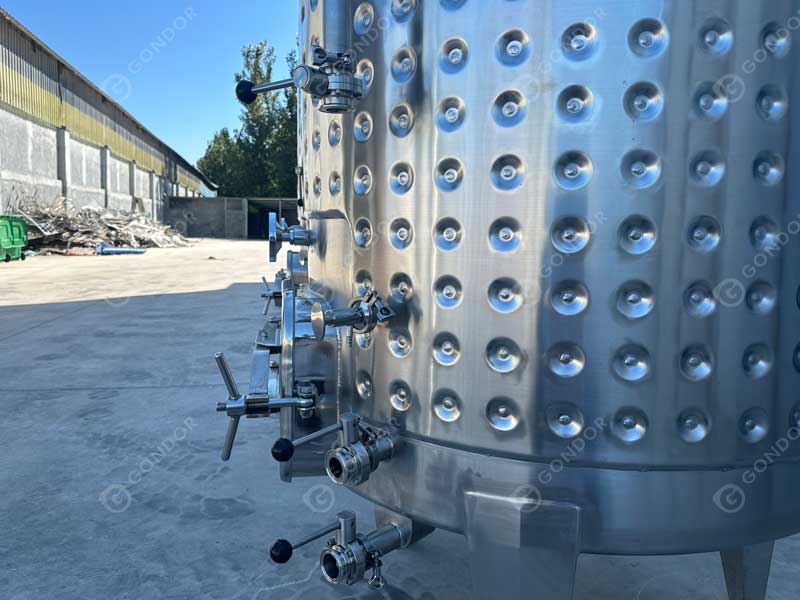
অভিজ্ঞ ওয়াইনমেকাররা তা করেন না “ফলাফলের জন্য অপেক্ষা করুন”, কিন্তু মনিটরিং রাখা. চিনির উপাদান নিয়মিত সনাক্তকরণ, অম্লতা, স্যাম্পলিং ভালভের মাধ্যমে PH মান এবং অ্যালকোহল সামগ্রী সঠিকভাবে গাঁজন অগ্রগতি উপলব্ধি করতে পারে এবং সময়মতো প্রক্রিয়ার পরামিতিগুলিকে সামঞ্জস্য করতে পারে যাতে স্বাদ সর্বদা প্রত্যাশিত সীমার মধ্যে থাকে।. এই ধাপটি মানের উপরের সীমা নির্ধারণ করে.
ধাপ 5: ওয়াইন নিষ্কাশন এবং পলল অপসারণ
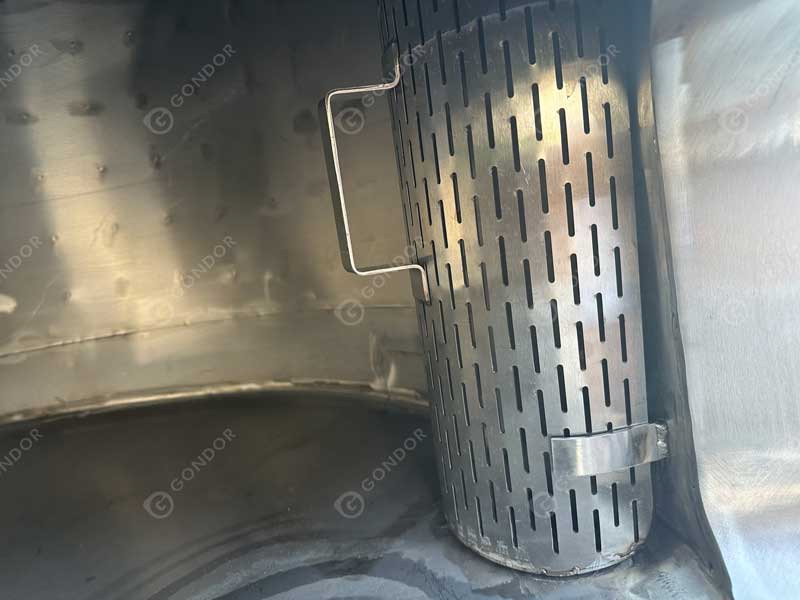
গাঁজন সম্পূর্ণ হলে, পলল থেকে দ্রুত ওয়াইন আলাদা করা প্রয়োজন. অন্তর্নির্মিত ফিল্টার স্ক্রিন দক্ষতার সাথে ফলের খোসা এবং পলল ধরে রাখতে পারে, যখন বড়-ব্যাসের ওয়াইন আউটলেট ডিজাইন প্রবাহ প্রতিরোধকে হ্রাস করে এবং ওয়াইন নিষ্কাশনের সময়কে ছোট করে, এর ফলে অক্সিডেশনের ঝুঁকি কমানো যায় এবং সুগন্ধকে সর্বাধিক পরিমাণে সংরক্ষণ করা যায়.
ধাপ 6: নিষ্কাশন এবং পরিষ্কার করা
স্বাস্থ্য ব্যবস্থাপনাও পরবর্তী ব্যাচের সাফল্যের গ্যারান্টি. মৃত কোণ ছাড়া ঘূর্ণন কাঠামো অবশিষ্টাংশ জমা প্রতিরোধ করে, এবং উচ্চ চাপ পরিষ্কার বল উপলব্ধি 360 ব্যাকটেরিয়া ক্রস দূষণ এড়াতে কভারেজ পরিষ্কার করা. পরিষ্কার এবং দক্ষ মানে উচ্চ উত্পাদন টার্নওভার.
ওয়াইন ফার্মেন্টেশন ট্যাঙ্কের প্রয়োগের পরিস্থিতি
আজ, ওয়াইন ফার্মেন্টেশন ট্যাঙ্কগুলি ব্যাপকভাবে ব্যবহৃত হয়:
- বড় মাপের ওয়াইন তৈরির কারখানা
- ফ্রুট ওয়াইন এবং বেভারেজ প্রসেসিং প্ল্যান্ট
- ক্রাফ্ট ব্রুয়ারি
- ক্যাটারিং পরিষেবার জন্য কেন্দ্রীয় রান্নাঘর
- কৃষি পণ্য গভীর প্রক্রিয়াকরণ উদ্যোগ
গন্ডর মেশিনারি আপনাকে একটি সম্পূর্ণ ওয়াইন তৈরির সমাধান অফার করে
উচ্চ-মানের ওয়াইন কখনই দুর্ঘটনাজনিত ফলাফল নয়. এটি প্রমিত প্রক্রিয়া এবং উচ্চ-কর্মক্ষমতা হার্ডওয়্যার সরঞ্জাম থেকে আসে. গন্ডর মেশিনারির ওয়াইন ফার্মেন্টেশন ট্যাঙ্কগুলি এগুলিকে সরল করে 6 প্রযুক্তিগত একীকরণের মাধ্যমে পদক্ষেপ, কায়িক শ্রমের উপর নির্ভরতা হ্রাস করার সাথে সাথে গাঁজন দক্ষতা এবং ক্ষমতা উন্নত করা.