Comment faire des biscuits croustillants et qui ne s'effritent pas
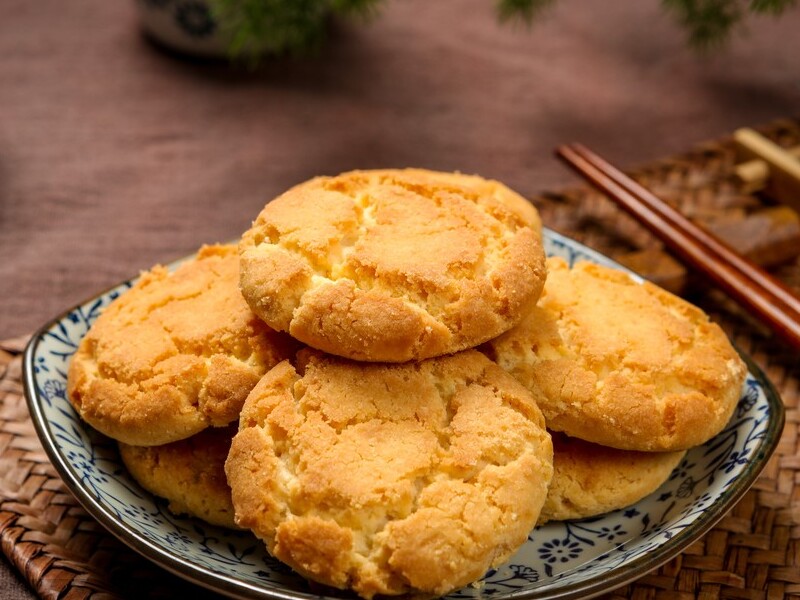
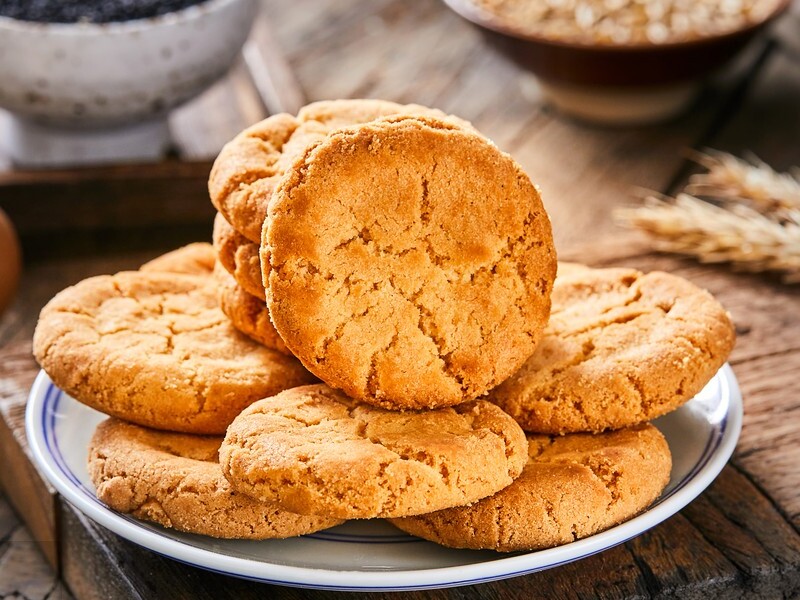
Comme une pâtisserie chinoise classique, le cookie est croustillant et délicieux. Cependant, lorsqu'il est fabriqué à la machine, il est sujet à des problèmes tels qu'être trop fragile et s'effriter. L'industrie dit “recette en trois parties, cuisson en sept parties” est crucial – la zone avant à environ 250℃ favorise la floraison, la zone médiane à environ 220 ℃ définit la forme, et la zone arrière à environ 150℃ se déshydrate. Maîtriser cette logique, il est facile de réaliser des gâteaux aux pêches sucrés et sans sucre qui ne sont pas fragiles. Le texte suivant combine un didacticiel concis avec des explications détaillées des problèmes courants.
Biscuit sucré (Version de l'appareil, Tutoriel facile à suivre pour les gâteaux non fragiles)
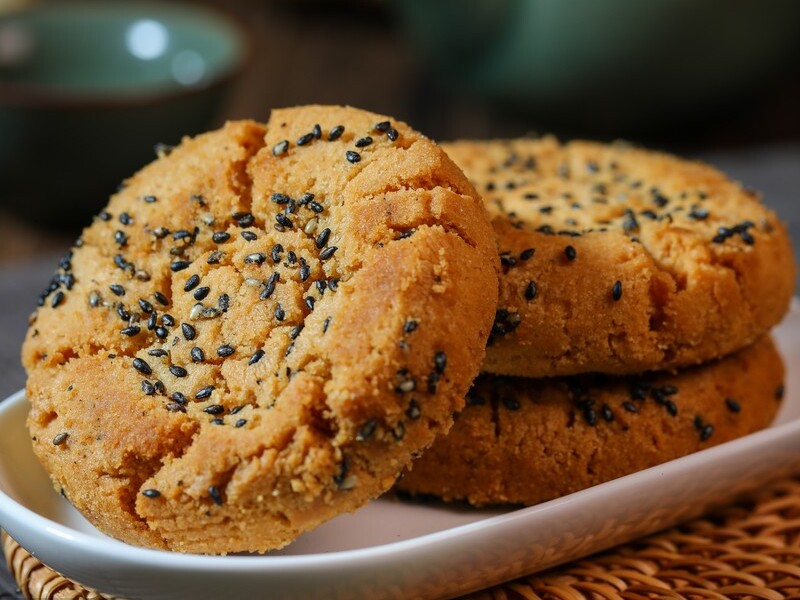
Recette de base (20-25 pièces): 500g de farine pauvre en gluten, 180g de sucre blanc semoule, 250g d'huile de maïs, 1 œuf, 3g de bicarbonate de soude, 2g de levure chimique, 80g de noix grillées concassées (facultatif), 20-30g d'eau.
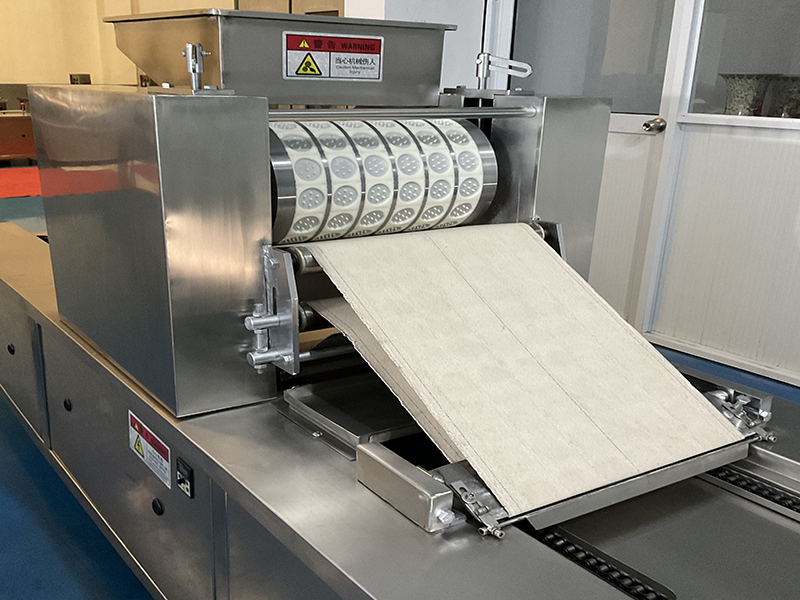
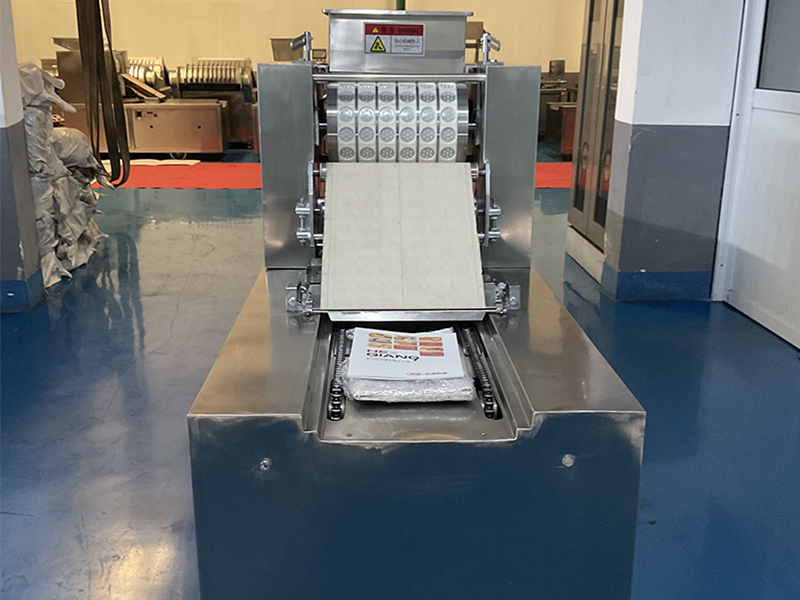
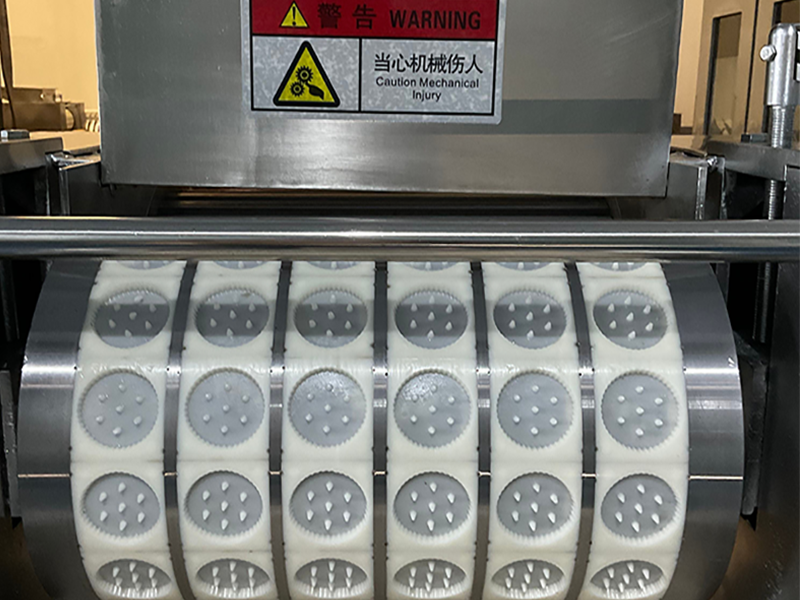
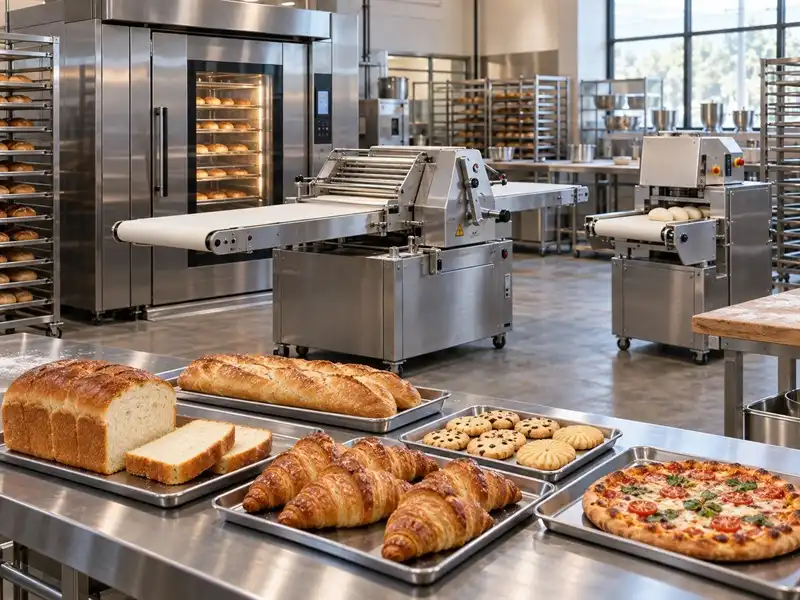
Fonctionnement des machines: Dans un mixeur, mélanger le sucre blanc et les œufs à vitesse moyenne-basse jusqu'à ce qu'ils soient fondus, puis ajoutez l'huile de maïs et remuez bien. Tamisez les ingrédients secs et remuez à basse vitesse jusqu'à ce qu'il n'y ait plus de poudre sèche.. Ajouter les noix concassées et remuer uniformément (ne pas trop mélanger pour éviter la formation de gluten). Ajustez la pâte jusqu'à ce qu'elle ne soit plus collante et puisse former une boule. Répartissez en portions de 20 à 25 g et façonnez à la machine..
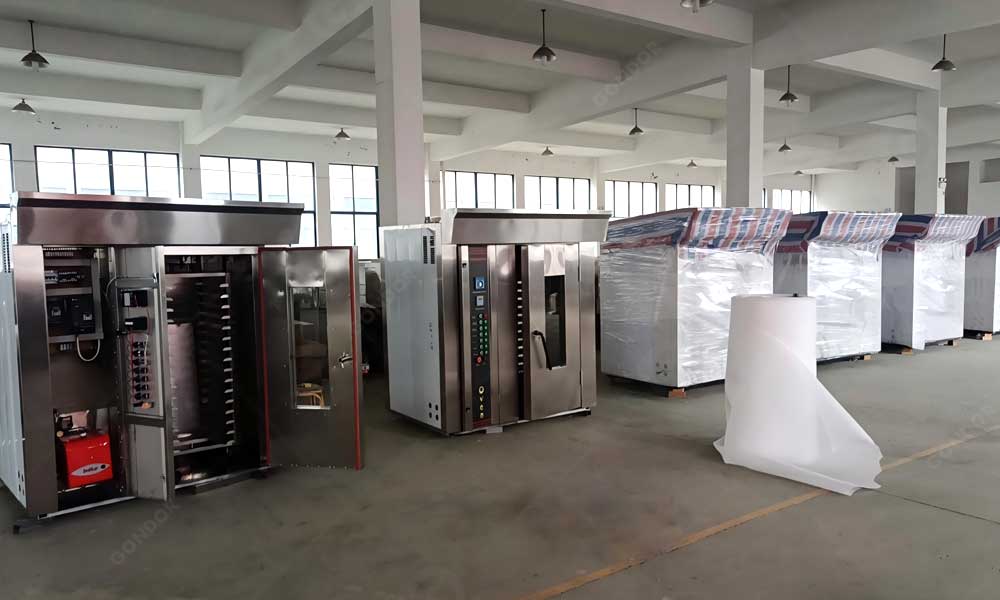
Conseils de cuisson: 250℃ dans la zone avant, 220℃ dans la zone médiane, et 150℃ dans la zone arrière. Cuire au four pour 12 à 15 minutes, passage à travers les trois zones de température en séquence pour terminer la floraison, façonner, et déshydratation.
Biscuit sans sucre (Version de l'appareil, Tutoriel simplifié non fragile)
Recette de base (20-25 pièces): 500g de farine pauvre en gluten, 180g érythritol (ou 160g de maltitol), 260g d'huile de maïs, 1 œuf, 3g de bicarbonate de soude, 2g de levure chimique, 80g de noix grillées concassées (facultatif), 30-40g d'eau.
Fonctionnement des machines: Dissoudre le substitut de sucre dans une petite quantité d'eau tiède, laisse-le refroidir, puis mélangez-le avec les œufs et l'huile de maïs. Les étapes suivantes sont les mêmes que pour la version sucre. La clé est de s'assurer que la pâte est molle et non lâche (les versions sans sucre ont tendance à être plus sèches, vous pouvez donc ajouter un peu plus d'eau si nécessaire).
Conseils de cuisson: La même zone à trois températures que la version avec sucre ajouté. Prolongez le temps de cuisson de 1-2 minutes. Après refroidissement, scellez-le pour empêcher la reprise d’humidité.
Les cookies ont tendance à se casser et à s'effriterLa surface des biscuits est brûlée tandis que l'intérieur est insuffisamment cuit
La principale raison est une déshydratation insuffisante ou la pâte développe du gluten.. Solution: Suivez strictement le processus de cuisson à trois zones de température, avec la dernière zone à 150℃ pour une déshydratation complète; maintenez la vitesse du mélangeur basse tout au long du processus et évitez de trop mélanger; arrêter quand il n'y a plus de poudre sèche dans la farine; la pâte ne doit être ni trop dure ni trop molle, et évitez qu'il soit trop sec.
La cause est soit une température trop élevée, soit l'épaisseur de la pâte est trop épaisse.. Solution: Abaissez la température dans la zone médiane de 5 à 10 ℃ de manière appropriée; contrôler l'épaisseur de la pâte par la machine pour qu'elle soit de 0,8 à 1 cm, assurant une épaisseur uniforme.
En résumé, Les points clés pour l’utilisation de machines pour créer des cookies sont:
Pour les machines à faire des cookies, la clé réside dans des recettes précises, opérations standardisées, et cuisson à trois zones de température. En abordant spécifiquement les problèmes courants mentionnés ci-dessus, les variétés sucrées et sans sucre peuvent être produites en grandes quantités avec une qualité constante, être croustillant et feuilleté sans se casser.