


8 Pyetjet e bëra më shpesh për t'ju ndihmuar të bëni investimin e duhur
Ndërsa industria globale e furrave vazhdon të rritet, industrializimi, automatizimi, dhe prodhimi në shkallë të gjerë janë bërë thelbësore për prodhuesit modernë të bukës. Nëse jeni duke ndërtuar një fabrikë të re furre ose duke përmirësuar një objekt ekzistues, Zgjedhja e linjës së duhur të prodhimit industrial të bukës mund të ndikojë ndjeshëm në efikasitetin e prodhimit, cilësinë e produktit, kostot operative, dhe përfitimi afatgjatë.
Megjithatë, shumë blerës fokusohen kryesisht në çmimet e pajisjeve duke anashkaluar faktorë të tjerë kritikë si kapaciteti i prodhimit, niveli i automatizimit, konsumi i energjisë, kërkesat e mirëmbajtjes, dhe shkallëzueshmëria në të ardhmen. Si rezultat, disa kompani përfundojnë duke investuar në linja prodhimi që nuk arrijnë të përmbushin objektivat e tyre të prodhimit ose gjenerojnë kosto të papritura të larta operative.
Pra, çfarë duhet t'i kushtoni vëmendje kur blini një linja industriale e prodhimit të bukës? The following FAQs provide detailed answers to help bakery manufacturers make informed decisions.
FAQ 1: What Is the Most Important Factor When Purchasing an Industrial Bread Production Line?
For most bakery businesses, production capacity should be the starting point of any purchasing decision.
Many buyers mistakenly assume that bigger equipment automatically means better performance. In reality, an oversized production line can lead to unnecessary investment, increased energy consumption, and higher maintenance expenses.
Before selecting a production line, it is important to evaluate:
Për shembull, a bakery producing 5,000 hamburger buns per day requires a completely different setup from a factory producing 50,000 copë bukë sanduiç çdo ditë.
Prandaj, zgjedhja e një linje prodhimi që përputhet me kërkesat tuaja aktuale të prodhimit është shpesh më e dobishme sesa blerja e sistemit më të madh të disponueshëm.
FAQ 2: Si mund të përcaktoni nivelin e duhur të automatizimit?
Niveli i automatizimit ndikon drejtpërdrejt në produktivitetin, kostot e punës, dhe konsistencën e prodhimit.
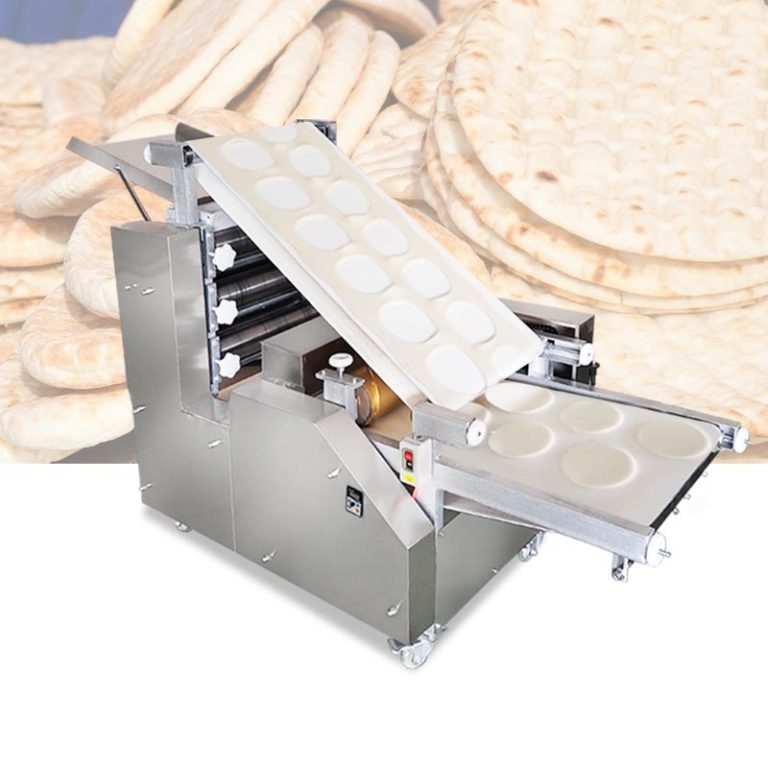
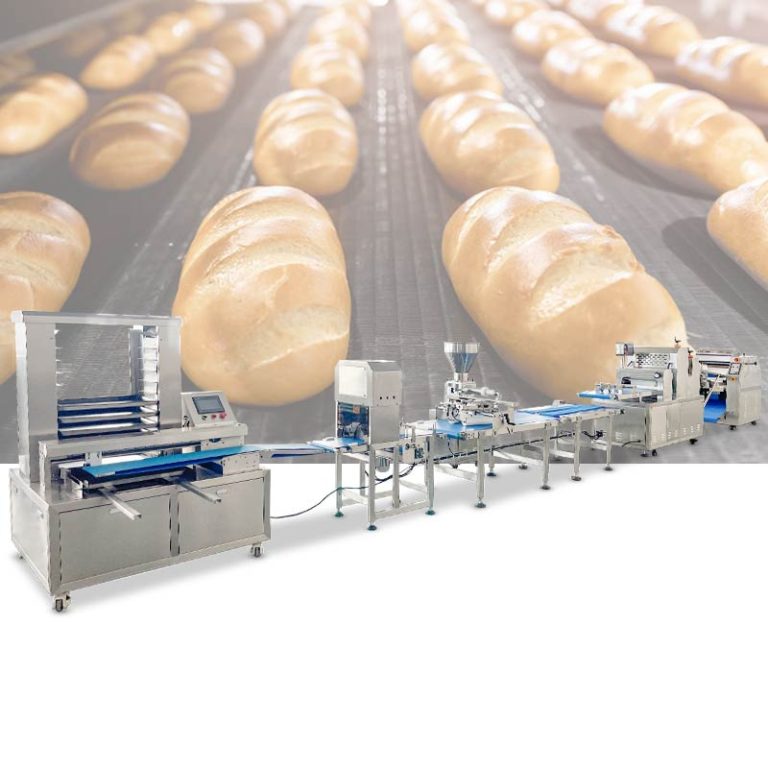
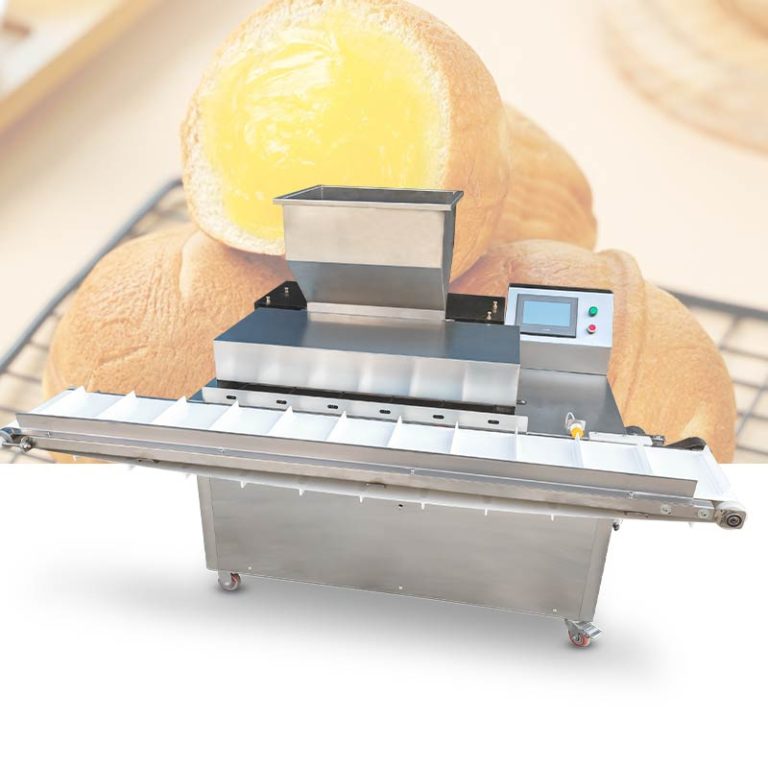
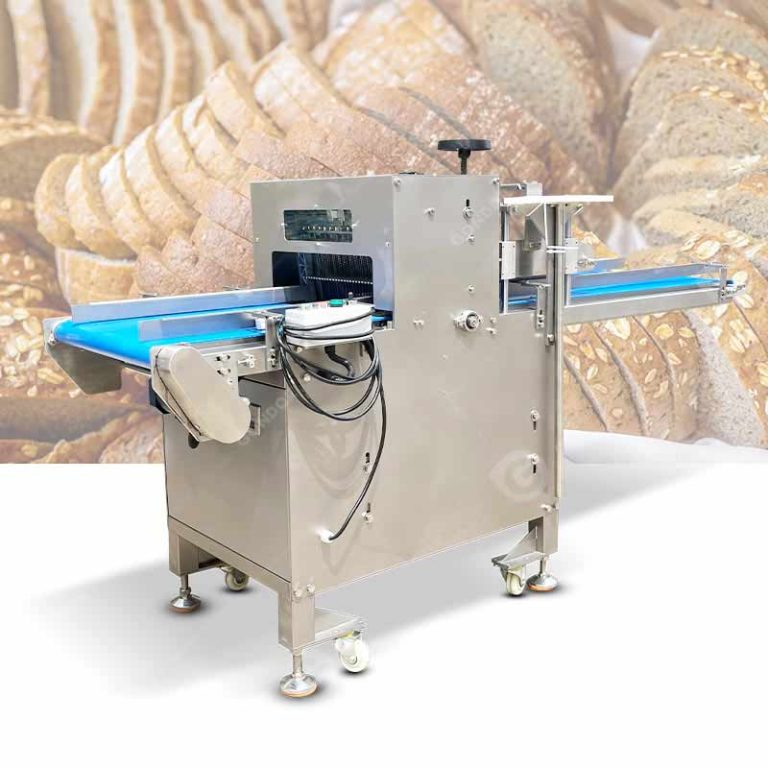
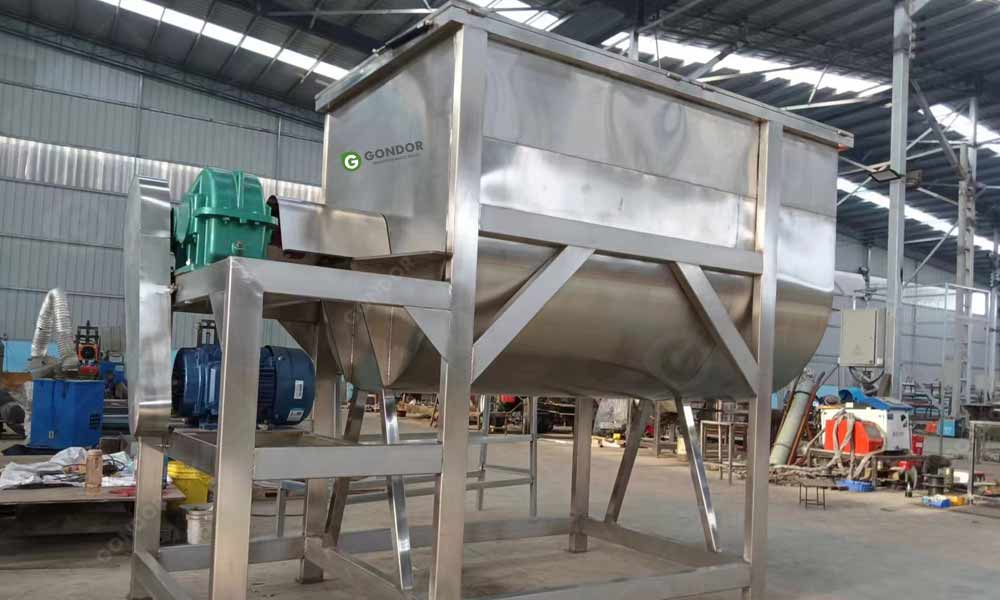
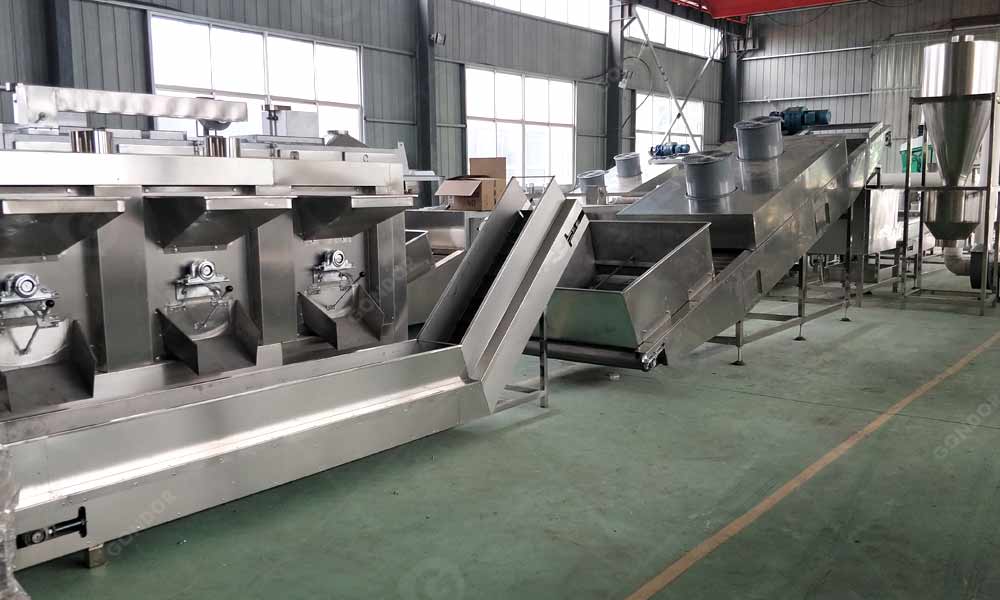
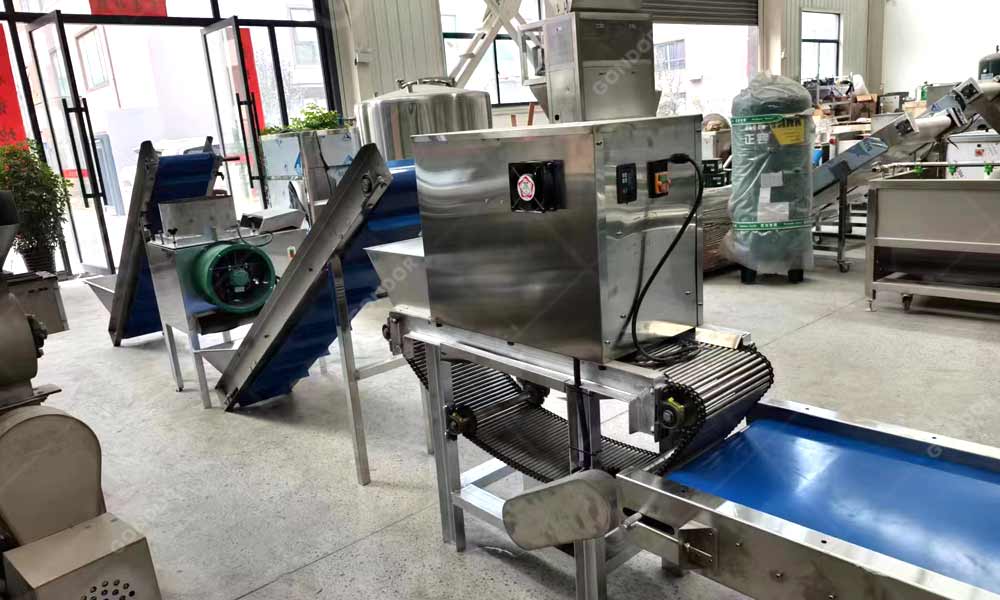
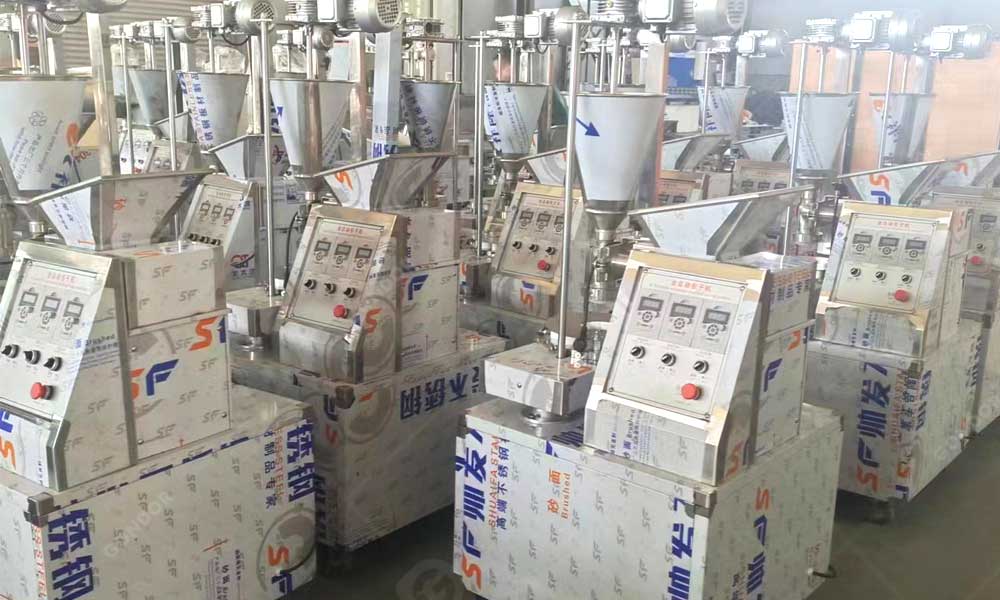
Një linjë moderne industriale e prodhimit të bukës përfshin zakonisht:
- Sistemet e bartjes së lëndëve të para
- Sisteme automatike të përzierjes së brumit
- Makina për ndarjen e brumit
- Rrumbullakues brumi
- Korrigjues të ndërmjetëm
- Pajisje për formimin e brumit
- Dhomat përfundimtare të fermentimit
- Furrat e tunelit
- Transportues ftohës
- Sistemet automatike të paketimit
Në rajonet ku kostot e punës janë të larta, linjat plotësisht automatike të prodhimit shpesh ofrojnë një kthim më të shpejtë të investimit.
Megjithatë, për furrat e vogla dhe të mesme, zgjidhjet gjysmë-automatike mund të ofrojnë fleksibilitet më të madh dhe kosto fillestare më të ulëta.
Niveli ideal i automatizimit varet nga shkalla juaj e prodhimit, disponueshmëria e fuqisë punëtore, dhe strategjinë afatgjatë të biznesit në vend që të ndjekin një qasje të vetme për të gjithë.
FAQ 3: A mundet linja e prodhimit të trajtojë lloje të ndryshme të produkteve të bukës?
Preferencat e konsumatorëve në tregun e furrave të bukës ndryshojnë me shpejtësi.
Sot, Simitet e hamburgerit mund të jenë shumë të kërkuara. Nesër, klientët mund të preferojnë bukë të ëmbël, baguettes, produkte artizanale, ose bukë gruri të plotë.
Kjo është arsyeja pse fleksibiliteti duhet të jetë një konsideratë kryesore kur zgjidhni një linjë prodhimi të bukës.
Bëjini furnizuesit të pajisjeve pyetjet e mëposhtme:
* A mundet linja të përpunojë formulime të ndryshme brumi?
* Sa shpejt mund të ndryshohen specifikimet e produktit?
* A është i përshtatshëm zëvendësimi i mykut?
* A e mbështet sistemin e kontrollit ruajtjen e recetave??
Edhe pse një linjë prodhimi shumë fleksibël mund të kërkojë një investim fillestar më të madh, ai mund t'i ndihmojë prodhuesit të përshtaten me trendet në ndryshim të tregut dhe të lançojnë produkte të reja në mënyrë më efikase.
Në shumë raste, ky fleksibilitet gjeneron vlera të konsiderueshme afatgjatë.
FAQ 4: Si duhet të zgjidhni sistemin e duhur të furrës?
Furra është një nga komponentët më kritikë të çdo linje prodhimi të bukës.
Ajo ndikon drejtpërdrejt:
* Ngjyra e kores
* Pamja e produktit
* Tekstura e brendshme
* Konsistenca e pjekjes
Disa lloje të furrave industriale përdoren zakonisht në furrat komerciale.
Furrat me konvekcion
Përparësitë përfshijnë:
* Shpërndarja uniforme e nxehtësisë
* I përshtatshëm për bukë dhe simite të buta
* Funksionim relativisht efikas në energji
Furrat e tunelit
Përparësitë përfshijnë:
* Prodhimi i vazhdueshëm
* Kapaciteti i lartë i prodhimit
* Ideale për furrat industriale në shkallë të gjerë
Furra me vatra guri
Përparësitë përfshijnë:
* E shkëlqyeshme për bukë artizanale dhe të stilit evropian
* Krijon një kore të veçantë krokante dhe teksturë autentike
Kur zgjidhni një sistem furre, prodhuesit duhet të marrin parasysh jo vetëm portofolin aktual të produkteve, por edhe planet e ardhshme të zhvillimit të produktit.
Shumë furra buke të suksesshme investojnë në pajisje që lejojnë hapësirë për inovacion dhe zgjerim në të ardhmen.
FAQ 5: Pse janë kaq të rëndësishme standardet e sigurisë ushqimore dhe materialet e pajisjeve?
Siguria e ushqimit është një prioritet kryesor në industrinë e bukës.
Prandaj, materialet e ndërtimit të pajisjeve nuk duhet të anashkalohen kurrë.
Zakonisht funksionojnë linjat e prodhimit të bukës industriale me cilësi të lartë:
* Konstruksion çelik inox SUS304
* Rripat transportues të kategorisë ushqimore
* Projektime strukturore higjienike
Gjatë vlerësimit të pajisjeve, kushtojini vëmendje të madhe:
* Materialet që vijnë në kontakt të drejtpërdrejtë me ushqimin
* Cilësia e saldimit
* Lehtësia e pastrimit
* Disponueshmëria e CIP (Pastërti në vend) sistemeve
* Çertifikimet ndërkombëtare dhe standardet e pajtueshmërisë
Një linjë prodhimi e dizajnuar në mënyrë higjienike ndihmon në reduktimin e rreziqeve të kontaminimit, përmirëson sigurinë ushqimore, dhe mbështet përputhshmërinë me kërkesat rregullatore.
Për furrat e orientuara nga eksporti, këta faktorë bëhen edhe më kritikë.
FAQ 6: Si mund të vlerësoni fuqinë e një furnizuesi të pajisjeve?
Shumë investime të dështuara në pajisje nuk janë shkaktuar nga cilësia e dobët e makinerive, por nga mbështetja joadekuate teknike nga furnitorët.
Kur vlerësoni një furnizues, merrni parasysh faktorët e mëposhtëm.
Përvojë në industri
Zgjidhni prodhues me përvojë të gjerë në prodhimin e pajisjeve të furrës.
Referencat e projektit të suksesshëm
Rishikoni instalimet e mëparshme, veçanërisht projekte të ngjashme me tuajat, të tilla si:
* Linjat e prodhimit të simiteve të hamburgerit
* Linjat e prodhimit të bukës së thekur
* Linjat e prodhimit të brumit të ngrirë
Ekspertiza Teknike
Një furnizues i besueshëm duhet të sigurojë:
* Planifikimi i paraqitjes së fabrikës
* Rekomandime për optimizimin e procesit
* Shërbimet e instalimit dhe komisionimit
* Programet e trajnimit të operatorëve
Mbështetje pas shitjes
Shërbimet e forta pas shitjes duhet të përfshijnë:
* Disponueshmëria e pjesëve të këmbimit
* Asistencë teknike në distancë
* Mbështetje për mirëmbajtjen në vend
Në afat të gjatë, partneriteti me një furnizues të besueshëm shpesh jep vlerë më të madhe sesa zgjedhja e opsionit me çmimin më të ulët.
FAQ 7: Cilat kosto të fshehura duhet të merren parasysh përveç çmimit të pajisjeve?
Ky është një nga aspektet më të anashkaluara të blerjes së pajisjeve.
In reality, çmimi i blerjes përfaqëson vetëm një pjesë të investimit total.
Kostot shtesë përfshijnë:
Konsumi i Energjisë
Të tilla si:
* Energjia elektrike
* Gazi natyror
* Avulli
* Ajri i kompresuar
Shpenzimet e punës
Automatizimi më i lartë në përgjithësi redukton kostot afatgjata të punës.
Shpenzimet e Mirëmbajtjes
duke përfshirë:
* Ndërrimi i pjesëve të veshjes
* Mirëmbajtja parandaluese
* Përditësimet e softuerit
Kostot e joproduktive
Ndërprerjet e prodhimit të shkaktuara nga dështimet e pajisjeve mund të rezultojnë në humbje shumë më të mëdha se vetë shpenzimet e riparimit.
Për këtë arsye, shumë blerës me përvojë përdorin një kosto totale të pronësisë (TCO) qasje në vend që të fokusohet vetëm në çmimin fillestar të blerjes.
FAQ 8: A është linja e prodhimit e lehtë për t'u përmirësuar në të ardhmen?
Rritja e biznesit shpesh i tejkalon pritjet.
Me rritjen e kërkesës, kapaciteti i prodhimit mund të duhet të dyfishohet apo edhe të trefishohet me kalimin e kohës.
Prandaj, zgjerimi i ardhshëm duhet të konsiderohet gjatë fazës fillestare të përzgjedhjes së pajisjeve.
Faktorët e rëndësishëm përfshijnë:
* Dizajni i sistemit modular
* Ndërfaqet e zgjerimit
* Aftësitë e azhurnimit të automatizimit
* Pajtueshmëria me teknologjitë inteligjente të fabrikës
Një linjë prodhimi e shkallëzuar mund të zvogëlojë ndjeshëm kostot e ardhshme të investimeve dhe të thjeshtojë projektet e zgjerimit të fabrikës.
Kjo është një arsye pse prodhuesit kryesorë të furrave të bukës i kushtojnë rëndësi të madhe shkallëzueshmërisë kur zgjedhin pajisje.
Si të zgjidhni linjën e duhur të prodhimit industrial të bukës?
Në fund të fundit, blerja e një linje industriale të prodhimit të bukës nuk është thjesht një çështje e krahasimit të çmimeve. Është një investim strategjik që mund të ndikojë në suksesin e biznesit tuaj të furrës për shumë vite.
Përpara se të merrni një vendim, prodhuesit duhet të vlerësojnë me kujdes:
* Kërkesat e kapacitetit prodhues
* Planet e diversifikimit të produkteve
* Nivelet e automatizimit
* Kërkesat e procesit të pjekjes
* Standardet e sigurisë ushqimore
* Aftësitë e furnizuesit
* Kostoja totale e pronësisë
* Potenciali i zgjerimit në të ardhmen
Duke marrë parasysh të gjithë këta faktorë, bizneset e furrave mund të zgjedhin një zgjidhje prodhimi që përputhet me nevojat aktuale operacionale dhe objektivat afatgjatë të rritjes.
Për kompanitë që planifikojnë të krijojnë ose zgjerojnë një strukturë moderne furre, Puna me një prodhues me përvojë të linjës së prodhimit të bukës mund të zvogëlojë ndjeshëm rreziqet e projektit duke siguruar performancën optimale të prodhimit.
Një Linjë Industriale e Prodhimit të Bukës e projektuar mirë bën më shumë sesa rrit produktivitetin dhe qëndrueshmërinë e produktit. Ai siguron bazën për rritje të qëndrueshme dhe i ndihmon furrat e bukës të mbeten konkurruese në një treg global gjithnjë e më të kërkuar.