


เหตุใดจึงเปรียบเทียบเนยถั่วกับแยมเสมอ?
ไม่ว่าจะเป็นขนมปังปิ้งสำหรับมื้อเช้าในจีนหรือ PB แบบคลาสสิก&เจ (แซนด์วิช) ในยุโรปและอเมริกา, เนยถั่วและแยมมักจะปรากฏคู่กันเสมอ. หลายคนคิดอย่างสังหรณ์ใจ, “อันหนึ่งทำจากถั่ว, และอีกอันทำจากผลไม้,” but if you look closely at the raw materials, โภชนาการ, รสชาติ, uses, and even industrial production processes, the differences between the two are actually quite significant.
For factories in the food business or preparing to deploy a สายการผลิตเนยถั่ว, understanding the characteristics of these two types of spreads will help you plan your product structure, equipment configuration, และการวางตำแหน่งทางการตลาด.
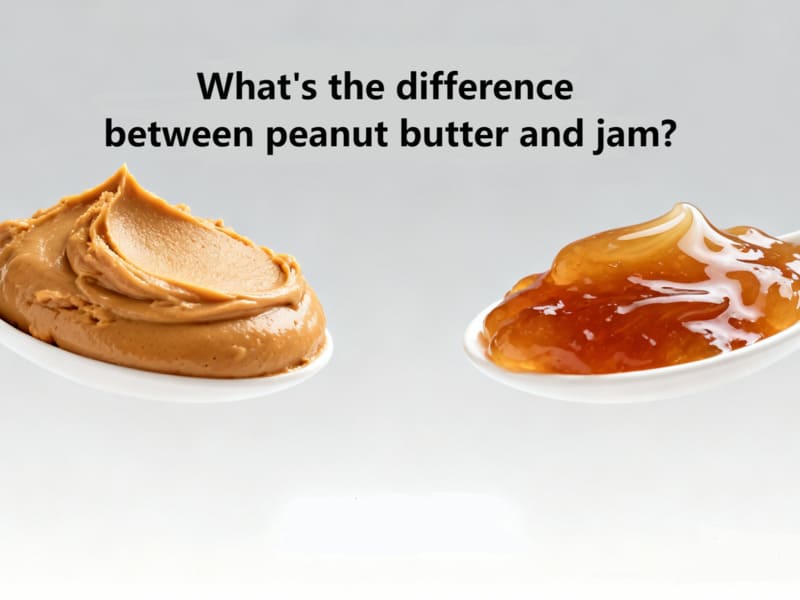
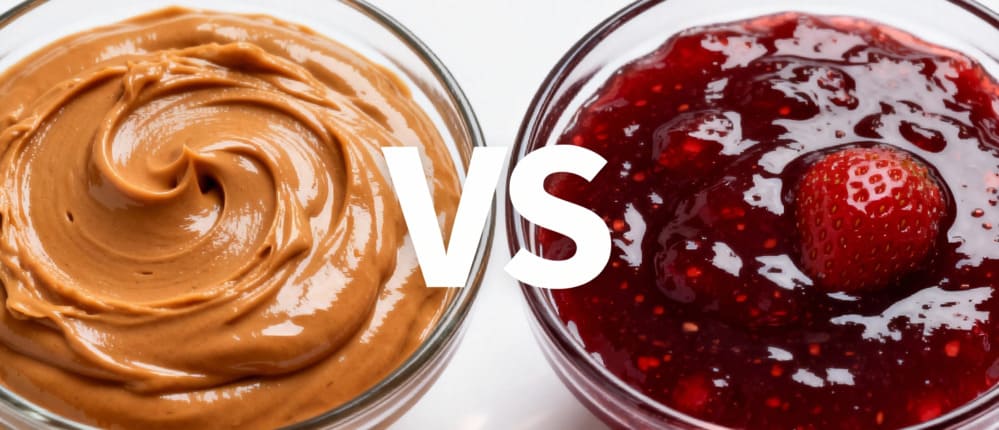
Peanut Butter VS Jam
ในอุตสาหกรรมอาหาร, peanut butter and jam are two common spreads, but they differ significantly in many aspects, including production processes and ingredient composition. Below are 6 differences between Peanut Butter and Jam.
1. Raw Materials and Production Process: Nut Butter vs. Fruit Products
เนยถั่ว: Roasted Peanuts + การบด + การผสม
วัตถุดิบ: Primarily peanut kernels. The process typically involves shelling and sifting, followed by roasting, ระบายความร้อน, และการปอกเปลือก, before grinding and flavoring. Its core characteristics are high protein, high healthy fats, and a thick, spreadable texture.
วัตถุดิบ: Different brands may add small amounts of vegetable oil and salt, and some may also add sugar or stabilizers to improve taste and flowability.
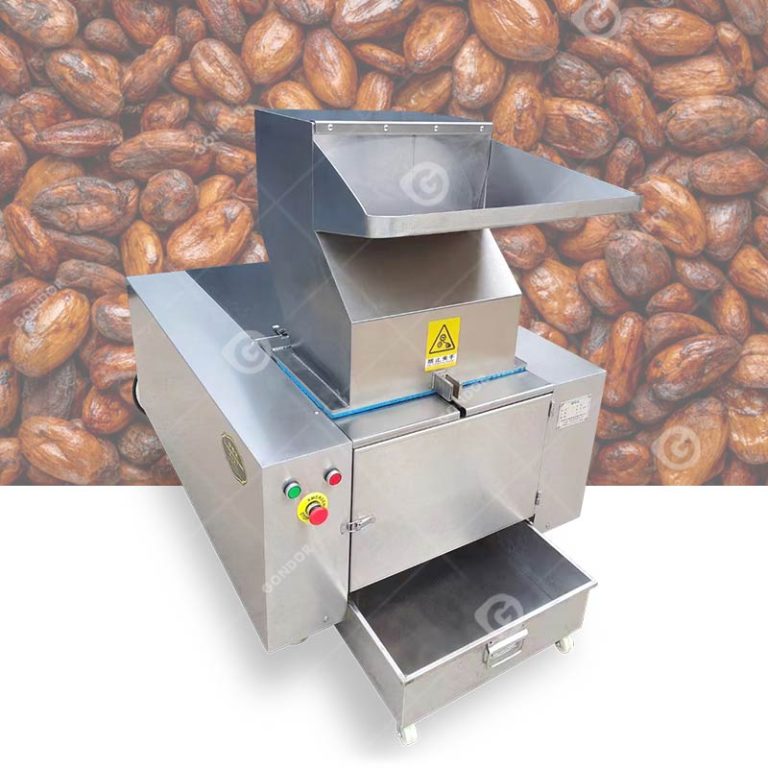
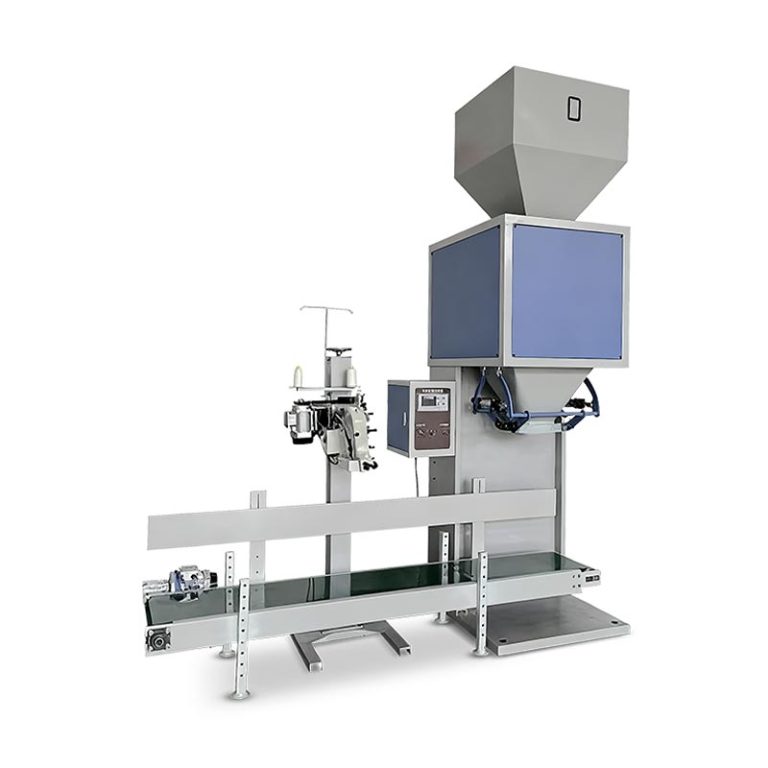
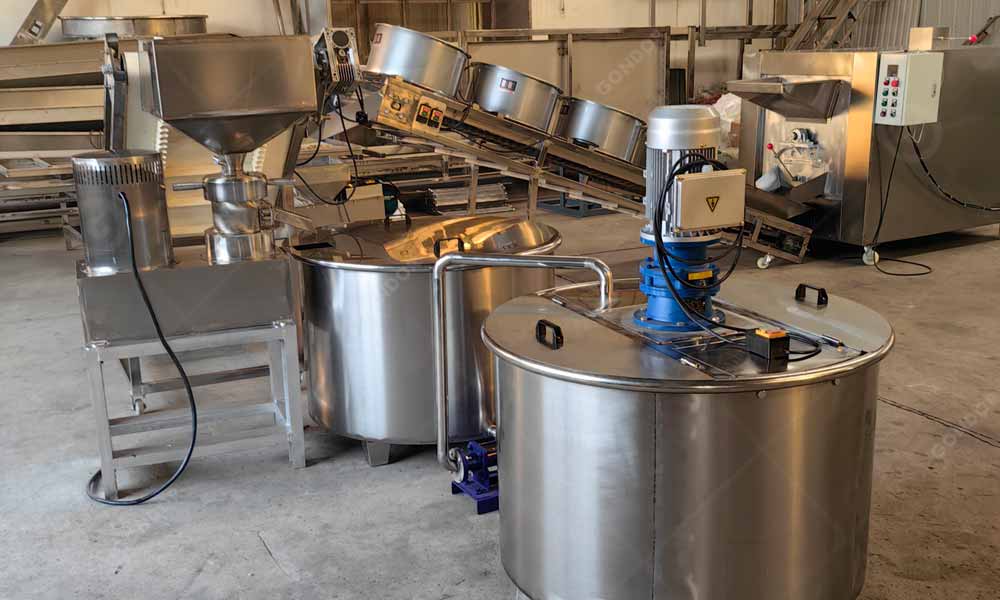
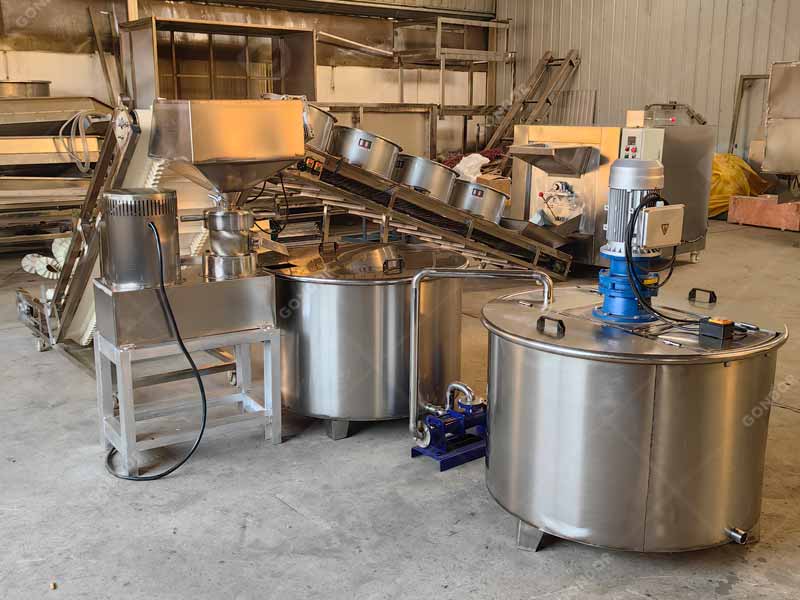
กระบวนการ: ในการผลิตภาคอุตสาหกรรม, a complete peanut butter production line typically consists of equipment such as roasters, คูลเลอร์, peelers, sorting conveyors, colloid mills/grinding machines, ถังผสม, vacuum degassing tanks, storage tanks, and filling machines, achieving continuous and standardized production.
กล่าวอีกนัยหนึ่ง, peanut butter is essentially “finely ground nut paste,” and a peanut butter production line transforms raw peanuts into a stable, เรียบ, and long-term marketable product.
แยม: ผลไม้ + น้ำตาล + เพคติน + Heating and Concentration
วัตถุดิบ: Primarily various fruits such as strawberries, blueberries, ส้ม, and grapes, supplemented with sugar. Some recipes add pectin to form a gel structure. It relies on the natural acidity of the fruit and the gelling effect of pectin to form a semi-solid state. It has a high sugar content and a sweet, smooth taste.
กระบวนการ: The typical process involves washing and chopping (or pulping) the fruit, then heating it with sugar and pectin to a certain concentration, followed by hot filling and cooling to set.
ลักษณะเฉพาะ: High-temperature cooking sterilizes and extends shelf life, but also causes some loss of heat-sensitive vitamins, while preserving the fruit flavor and color.
From a processing perspective, peanut butter is more of a “ground product,” while jam is a “candied fruit product.”
2. Differences in Production Processes and Equipment
This is the most crucial difference between the two, involving different food processing machinery lines.
3. Texture and Flavor: Nutty vs. Fruity Sweetness
เนยถั่ว
- Thick and smooth texture, commonly available in “เรียบ” และ “crunchy” varieties.
- รสชาติ: Rich in roasted nutty aroma, some with a slight caramelization.
แยม
- Mostly thick, อ่อนนุ่ม, gel-like texture, sometimes containing chunks of fruit or seeds, resembling a “fruit jelly” ความสม่ำเสมอ.
- รสชาติ: Primarily fruity sweet and sour, with a more prominent sweetness and refreshing aroma.
4. Nutritional Composition: High Protein & High Fat vs. High Sugar & Low Fat
From a nutrition label perspective, the two have completely different nutritional structures.
5. Differences in Usage Scenarios and Pairings
เนยถั่ว:
Commonly found in toast, sandwiches, คุกกี้, oatmeal, smoothies, ฯลฯ, or as a snack with celery sticks or apple slices.
แยม:
Mostly used in toast, ขนมปัง, โยเกิร์ต, cake fillings, cookie fillings, ฯลฯ, leaning more towards a "dessert-like" ใช้.
In product development, you can also create "composite products," เช่นเนยถั่ว + jam combo jars, sandwich cookies, ฯลฯ, allowing the two flavors to complement each other.
6. The Significance of a Peanut Butter Production Equipment Line
A significant difference between peanut butter and nut butter is that peanut butter relies more heavily on a complete, specialized production line to ensure consistent quality and high production capacity.
A modern peanut butter production line typically includes multiple stages: peanut roasting, ระบายความร้อน, ปอกเปลือก, การเรียงลำดับ, coarse/fine grinding, การผสม (adding salt, น้ำตาล, น้ำมัน, ฯลฯ), vacuum degassing, ทำให้เป็นเนื้อเดียวกัน, การกรอก, และบรรจุภัณฑ์.
A complete peanut butter production equipment line helps factories:
- Control particle size and rheological properties to produce smooth or chunky peanut butter;
- Improve shelf life and food safety through vacuum degassing, การทำหมัน, and sealed filling;
- Achieve batch consistency, meeting the quality standards of export and large supermarkets.