


Process Before Machine
Cake processing equipment has never been synonymous with a single machine, but a series of interlocking process decisions. Two buyers walk into a supplier with the same budget. One person takes away a pasting machine that can make 4,000 cupcakes per hour, while the other person takes away a machine that is stuck every 20 minutes-the same amount of money is spent, and the result is very different. The difference isn’t in the price tag, but in the questions asked before buying. This guide lists the questions one by one in the order we ask them in the workshop, and tells customers the truth face to face, not the rhetoric in the product manual.
Pasta sending, quantitative injection molding, বেকিং, শীতল, ভরাট, কাটা, মুদ্রণ, and packaging-each step corresponds to an independent device, and they don’t care what you call it. A buyer who only searches for “cake machine” is likely to put a desktop stand-alone machine and a 6-meter-long whole line together to compare prices. They have the same name, but only one product is suitable for him. So the first step is clear: stop obsessing about the name of the machine and think about what your cake needs to become step by step.
Start With the Cake, মেশিন নয়
The most common mistake in purchasing equipment is to be attracted by a “shiny” production line first, and then try to cram your own formula into it. But the physical characteristics of the cake will not compromise-every time the product determines the process, not the machine determines the product. The correct way is the other way around: first make clear what tasks your cake needs to accomplish, and then let the equipment match it.
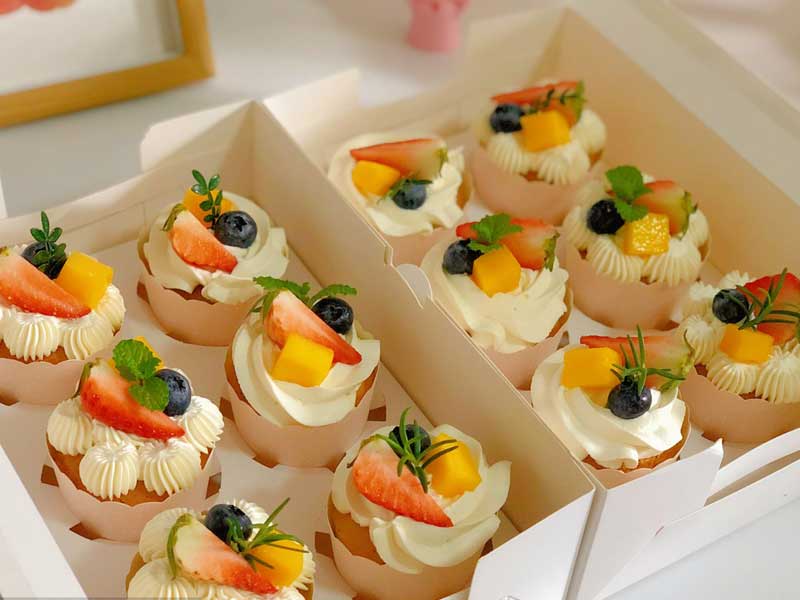
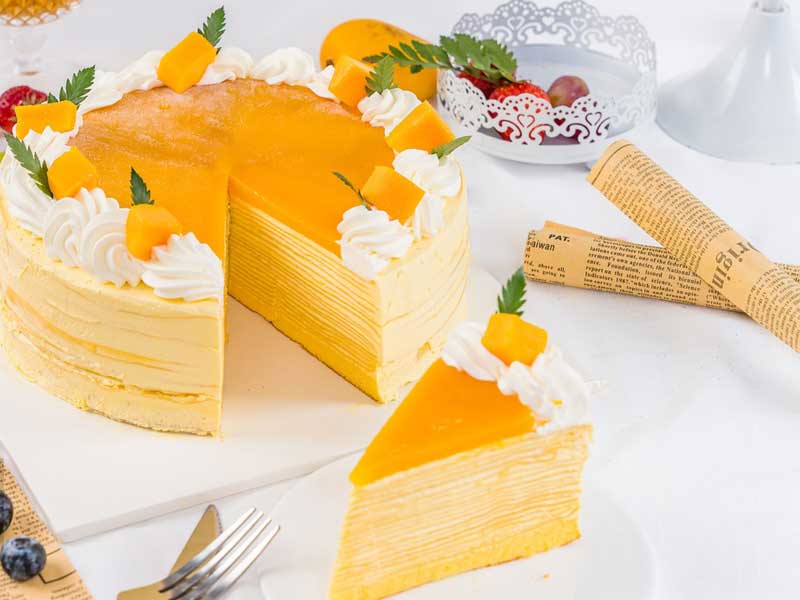
Sponge cakes need a steady flow of air into the batter. Mille-feuille cake needs a paper-thin crust and even cream spread. Sandwich bread needs filling without cutting. The birthday cake needs to be printed with patterns. These are different physical tasks and require different tools. Write down the cake you are selling today-weight, ব্যাস, উচ্চতা, organization, and what’s in it. This page determines most of the equipment list.
The Equipment Map: Which Cake Needs Which Machine
Use this table as a starting map. It is the same one we hand to new buyers. Output numbers are for planning only; your real figure depends on recipe, ছাঁচ, and line setup.
| If you sell | The forming job is | Core equipment | Typical output* |
|---|---|---|---|
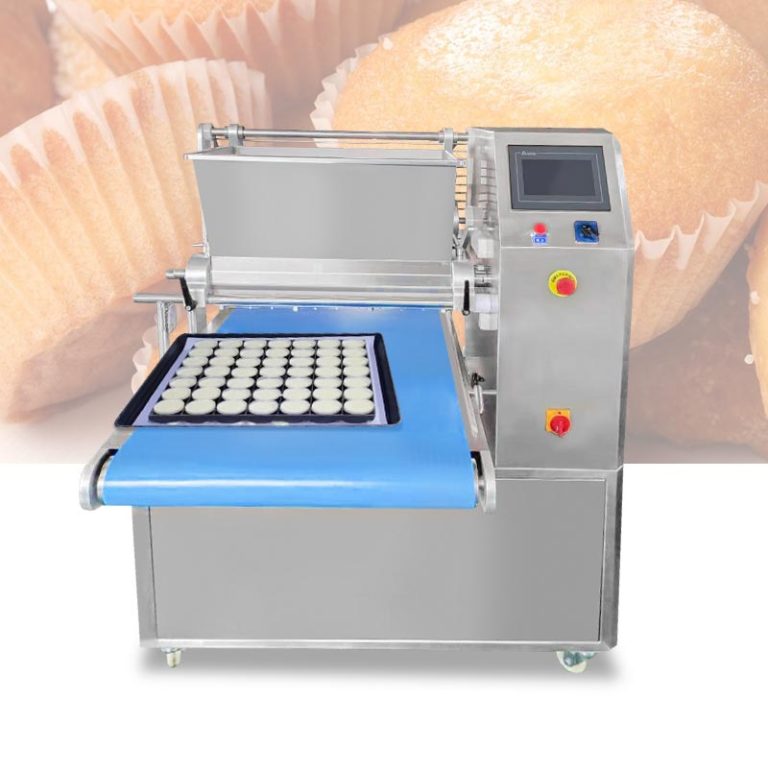
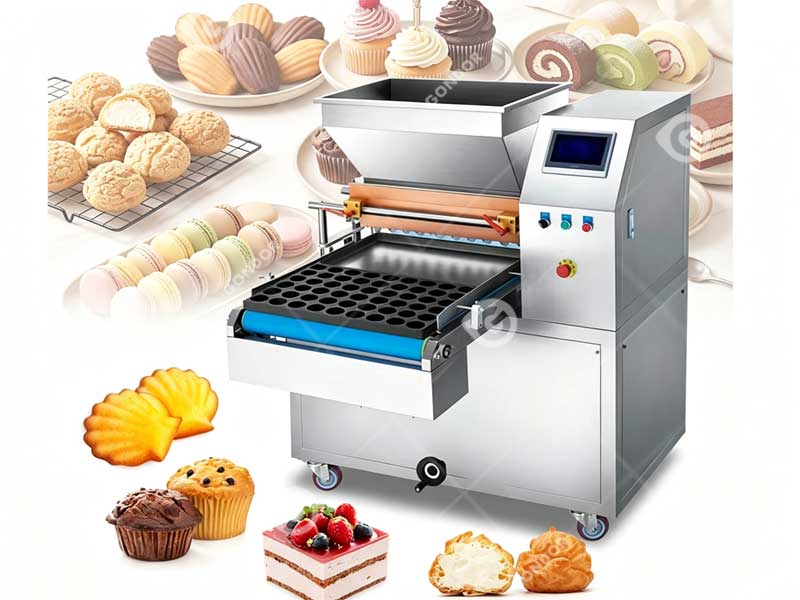
| Cupcakes, muffins, puffs | Portion batter into cups or molds | Cake depositor machine with multi-hole molds | 4,000–12,000 pcs/h |
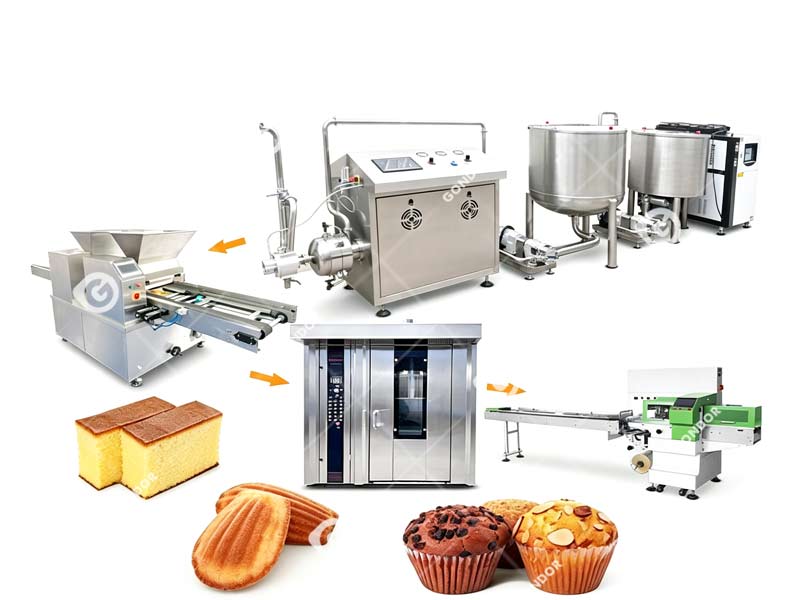
| Sponge, madeleine, banana cake | Whip, deposit, bake, pack | Cake production line (বায়ুচলাচল + depositor + oven + মোড়ক) | 100–1,000 kg/h |
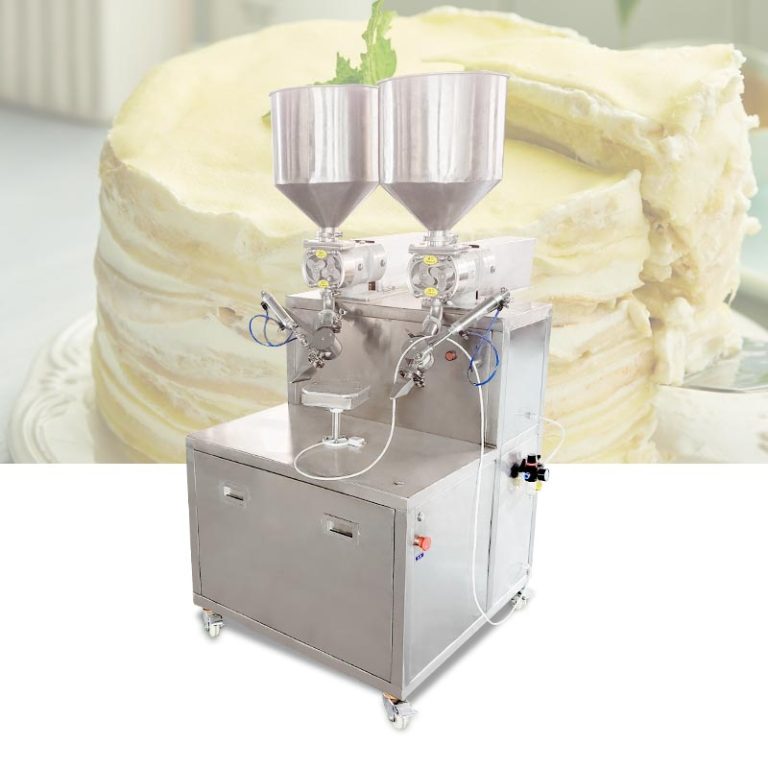
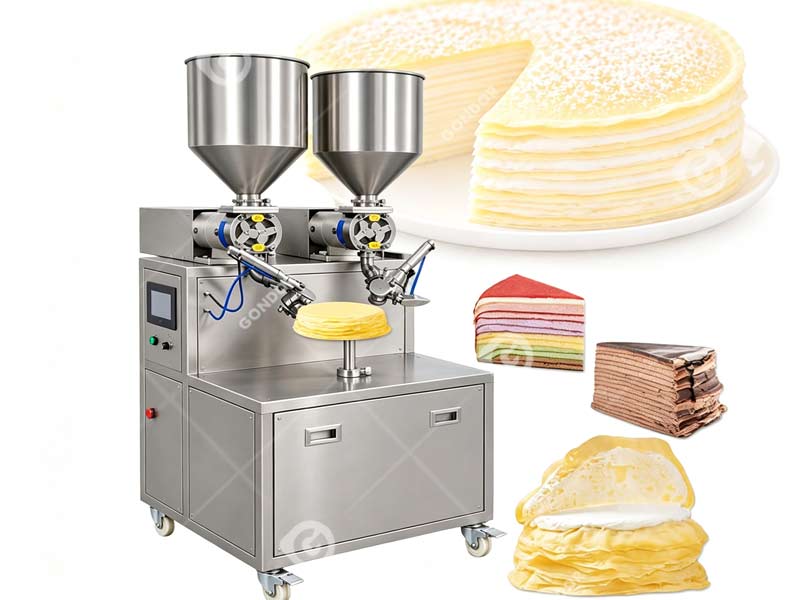
| Mille crepe, layered desserts | Bake thin sheets, spread cream evenly | Crepe cake machine + automatic crepe cake cream smearing machine | 100–300 sheets/h |
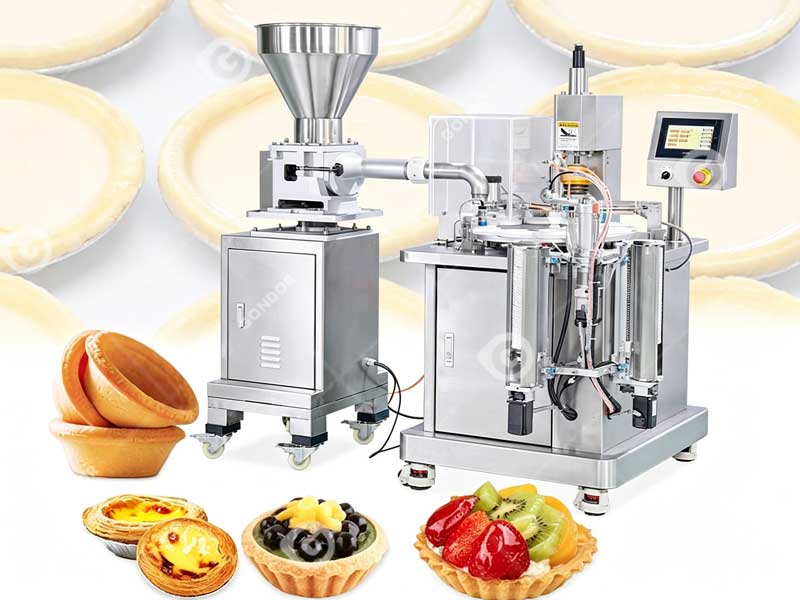
| Portuguese or Cantonese tarts | Press dough into tart shells | Egg tart crust forming machine with custom molds | model-dependent |
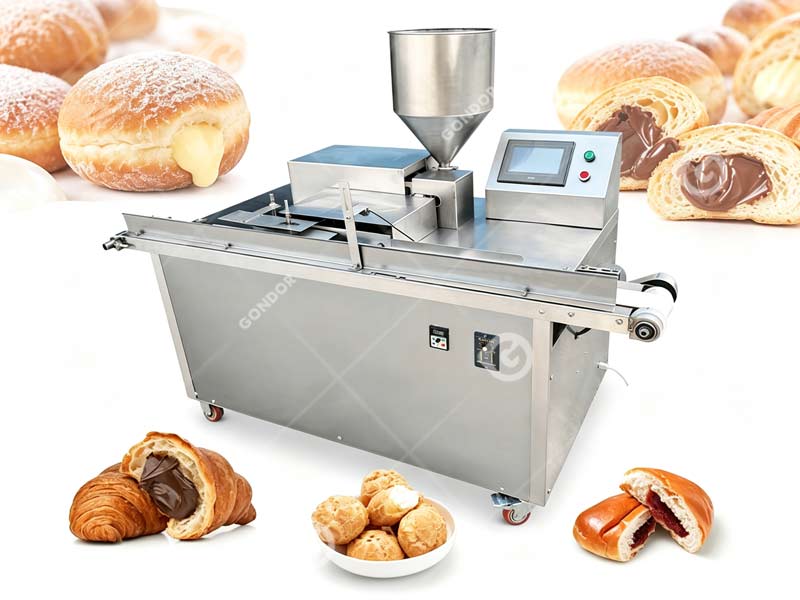
| Filled bread, Swiss roll, puffs | Inject filling without cutting open | Cake filling machine / fully automatic bread filling machine | পর্যন্ত 4,000 পিসি/ঘণ্টা |
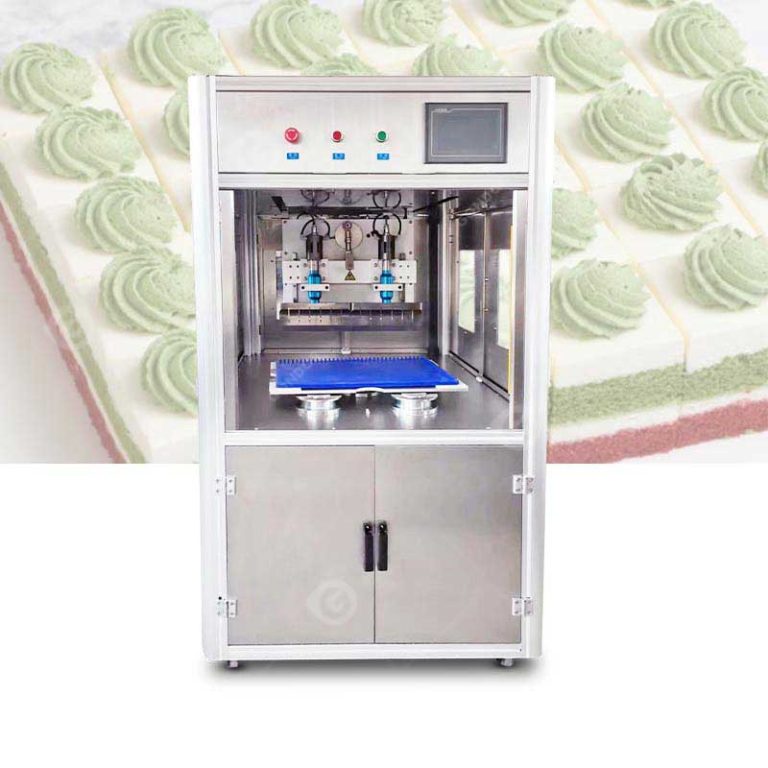
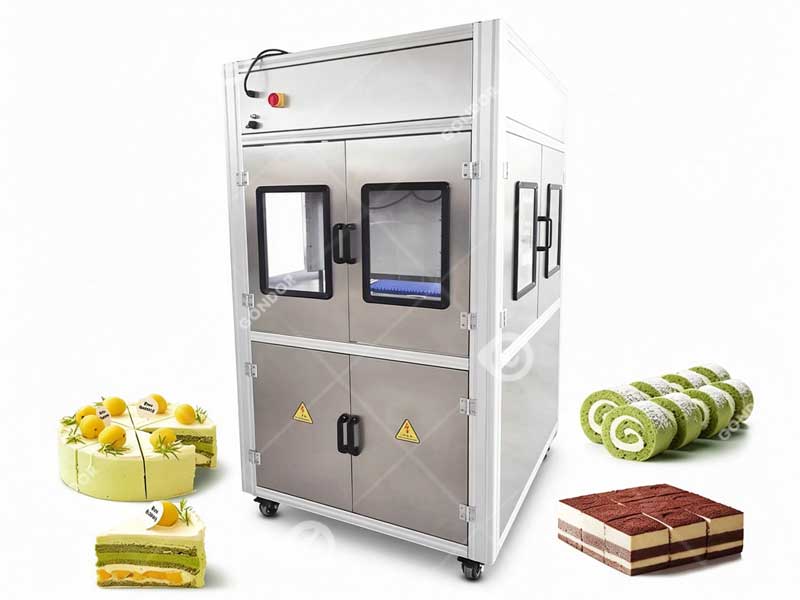
| চটচটে, layered, or frozen cake | Portion cleanly with no crumbs | অতিস্বনক কেক কাটার মেশিন | একটানা |
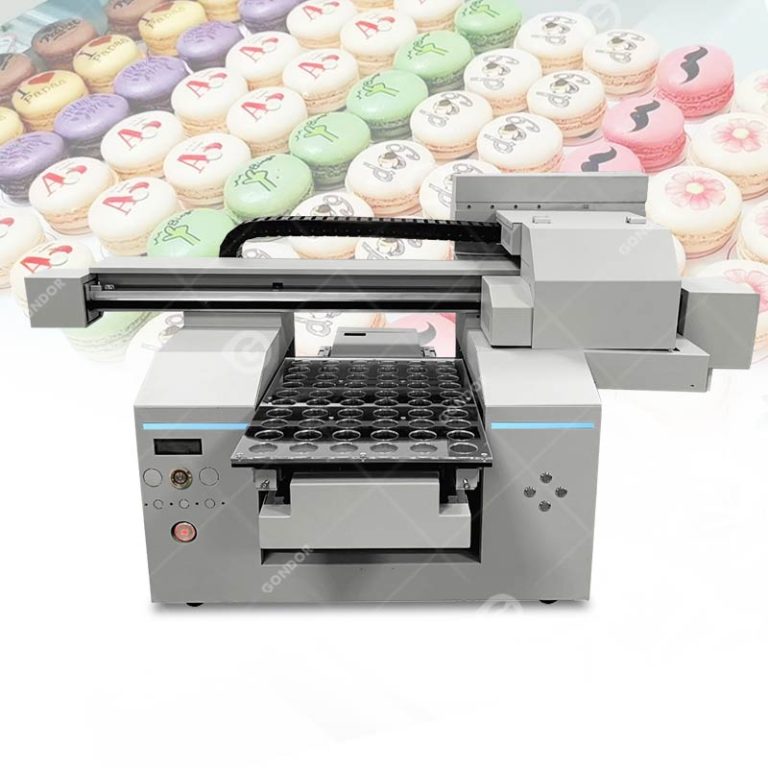
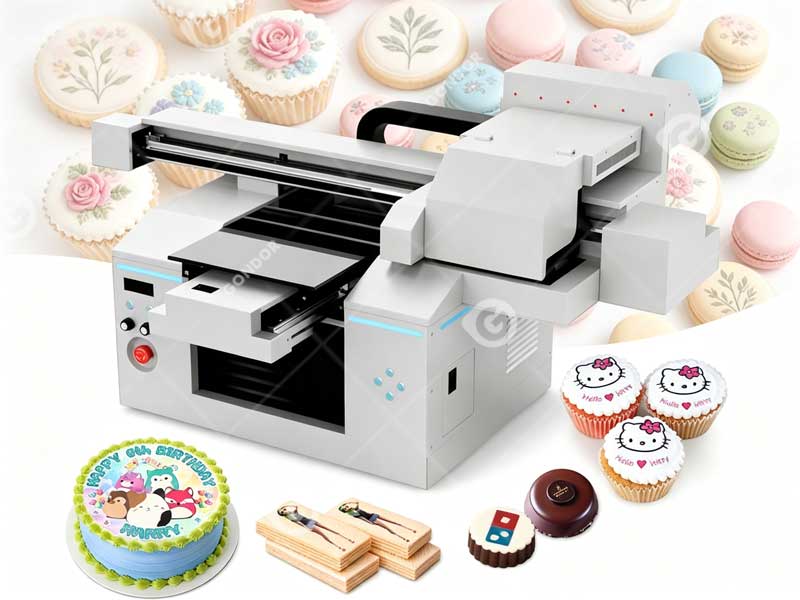
| Custom or photo cakes | Print directly on food surfaces | Cake printer machine with edible ink | ~110 s per A4 sheet |
*Model-dependent. Always confirm against a test run with your own recipe.
The Debate Buyers Have on Forums: Aeration vs. জমা করা
Search any baking forum, and you will find the same argument. “Do I need a separate aeration system, or will my depositor handle it?” The honest answer depends on your cake’s structure.
Blow in air before the batter enters the mold. The density stability here determines the structure, আয়তন, এবং শেলফ জীবন. If you sell sponges or Qifeng cakes, you can’t skip this step. আমাদের aerator mixer system uses a powerful air pump, which can store the formula and operate with one button.
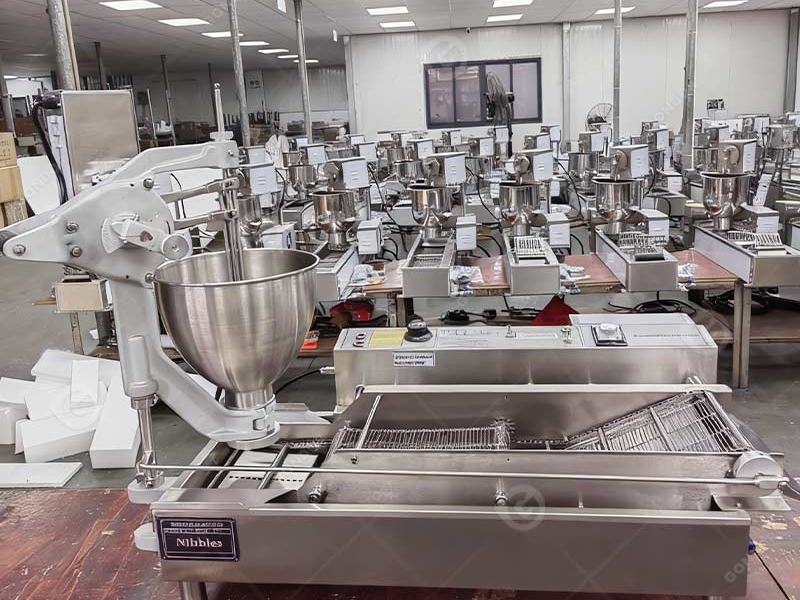
Responsible for dosing the batter into the mold. আমাদের ব্যাটার জমা করার মেশিন has 40 preset programs, and the formula is switched in about 3 সেকেন্ড, and the injection error is less than 1 গ্রাম. There are 800–1200 round cakes and 4000–12000 cupcakes per hour. Changing molds-3 to 12 holes, single row, double row, or whole plate-can make different products in the same frame.
Do the Capacity Math on a Real Shift
The capacity in the manual is the peak figure, but the actual shift includes feeding, mold changing, পরিষ্কার করা, and even rest, so the effective output is far below the theoretical value. Take 30,000 cupcakes per day and two shifts as an example; each shift needs to complete 15,000 কাপ কেক. After deducting 30 minutes of startup and cleaning, the effective time is only 7.5 hours-the actual need for paste injection is about 2,000 cupcakes per hour, না 4,000 কাপ কেক, and a mid-range batter depositing machine can cover them calmly. তবে, the production capacity must be balanced among stations: if the paste injection capacity is 2000 টুকরা/ঘন্টা, and the oven can only deliver 1200 টুকরা/ঘন্টা, the production line will be blocked. We have seen too many paste injection machines idle for half a shift because they did not plan ovens synchronously.
In addition to capacity matching, product size is also a parameter that must be clear before placing an order. If your product is particularly long or wide, you need to inform the supplier in advance. আ স্বয়ংক্রিয় রুটি স্টাফিং মেশিন can handle products with a maximum length of 200mm and a maximum width of 80mm. Beyond this range, the baffle needs to be customized.
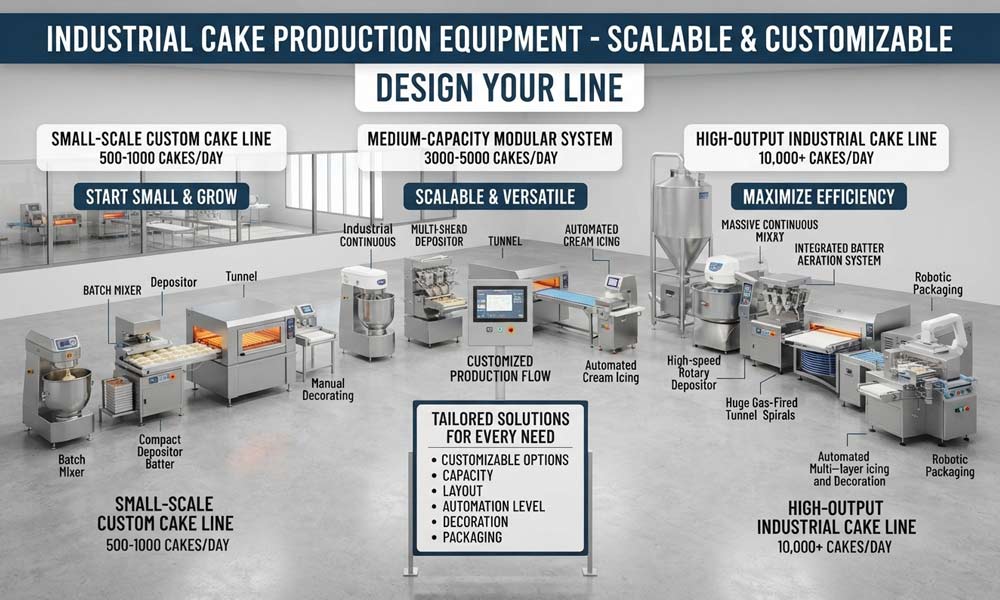
Three Configurations We Actually Ship
Specs on a sheet are abstract. Here is what real buyers end up with, and why.
Ask About the Line Before You Ask About the Price
The price question always comes first. It should come fourth. Three earlier questions save more money than any negotiation.
We run sample tests for exactly this reason. Send the recipe, watch the result, then decide. It is slower than signing on the spot. It is much faster than fixing a wrong machine for a year.
The Fine Print That Changes the Bill
Five items hide in the small print and change what you actually pay:
- ছাঁচ: A batter depositing machine accepts 3 থেকে 12 holes, single row, double row, or whole plate. Each mold is a separate cost. Ask which ones are included.
- ভোল্টেজ: Our machines run on 110V, 220ভি, or 380V. A three-phase unit in a single-phase shop is an expensive ornament.
- Changeover Time: Forty recipe programs and a three-second switch sound small. Across eight product changes a day, they are not.
- Wear Parts: Some of our lines list no consumable wear parts. Ask specifically about needles, ব্লেড, and seals — those are the things that stop a line at 2 a.m.
- সমর্থন: One-year warranty, আজীবন প্রযুক্তিগত সহায়তা, video factory inspection, এবং খুচরা যন্ত্রাংশ. Get it in writing, not in a sales conversation.
Five Mistakes We See Twice a Month
The Last Step of Selection
The equipment can only accurately replicate the parameters you set; it cannot create high-quality recipes on its own. The batter density, baking temperature, and cooling time are the key factors that determine the flavor of the cake. Please refine your process first, and then choose the smallest configuration that truly meets your needs. If you are hesitant between two options, simply provide cake samples or recipes, target production volume, and on-site power conditions. Our engineers will first outline the complete manufacturing process, then match you with the appropriate equipment and provide a direct quotation. Remember the principle that “the process comes first, the hardware follows”, which is crucial to avoid repeating the mistakes of the two buyers mentioned at the beginning of this article.