


Comme nous le savons, peu de choses attirent l'attention des consommateurs comme l'éclat brillant et le croustillant d'une barre de chocolat parfaitement finie. Derrière cette texture et cette apparence irrésistibles se cache un processus crucial: tempérage dans la fabrication du chocolat. Que vous soyez chocolatier à domicile ou que vous gériez une production de confiserie à grande échelle, maîtriser la bonne méthode de tempérage du chocolat garantit la cohérence, stabilité, et qualité. Veuillez consulter ci-dessous pour découvrir les trois types de chocolat tempéré les plus courants., comparer leurs avantages, et expliquer comment les équipements modernes peuvent aider les fabricants à rationaliser le processus.
Pourquoi tempérer le chocolat est important
Beurre de cacao, la graisse du chocolat, peut cristalliser sous plusieurs formes. Un seul de ces formulaires, connu sous le nom de cristal β stable, offre la finition brillante, sensation en bouche douce, et une longue durée de conservation que les consommateurs attendent. Sans trempe appropriée, le chocolat risque de développer une couleur terne, apparence striée et « floraison » crayeuse. C'est pourquoi chaque pâtissier, des boutiques artisanales aux fabricants industriels, investit du temps dans l'apprentissage de la meilleure méthode de tempérage du chocolat. Le but est toujours le même: créer des cristaux stables qui garantissent la qualité et la satisfaction du consommateur.
Le 3 Principales méthodes de tempérage du chocolat
Quant à savoir comment tempérer le chocolat, Les fabricants de chocolat peuvent consulter ci-dessous pour connaître trois méthodes principales de tempérage du chocolat.:
- Avantages: Facile à apprendre, nécessite un minimum d'équipement, et offre des résultats cohérents.
- Inconvénients: Exige un contrôle minutieux de la température et une agitation constante.
- Idéal pour: Petites boulangeries, artisans chocolatiers, ou les chefs qui veulent de la précision sans investissement lourd.
- Avantages: Refroidissement rapide et très efficace pour former des cristaux stables.
- Inconvénients: À forte intensité de main d'œuvre, nécessite des compétences et un environnement contrôlé.
- Idéal pour: Démonstrations, boutiques de chocolat, et artisans expérimentés recherchant une approche classique.
- Avantages: Simple, rapide, et équipement-lumière.
- Inconvénients: Risque plus élevé de surchauffe, moins fiable pour les gros lots.
- Idéal pour: Boulangers amateurs ou petits pâtissiers fabriquant des quantités limitées.
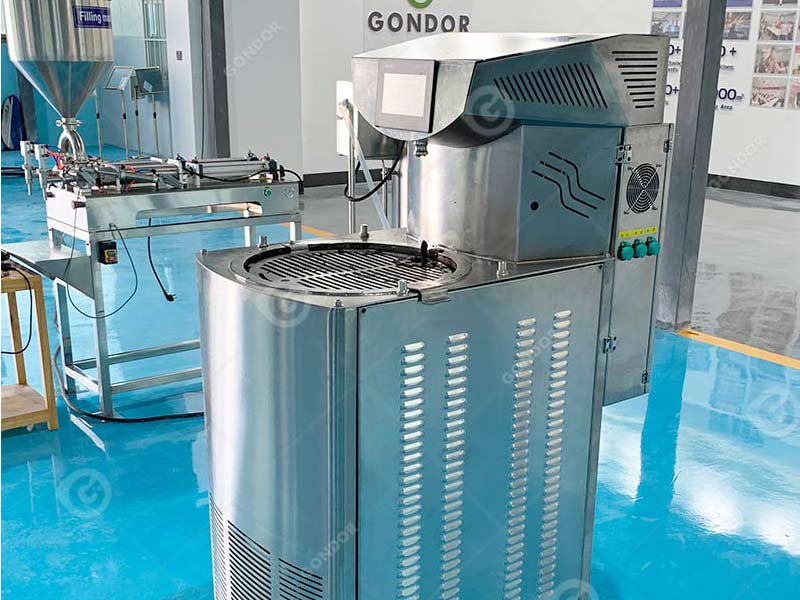

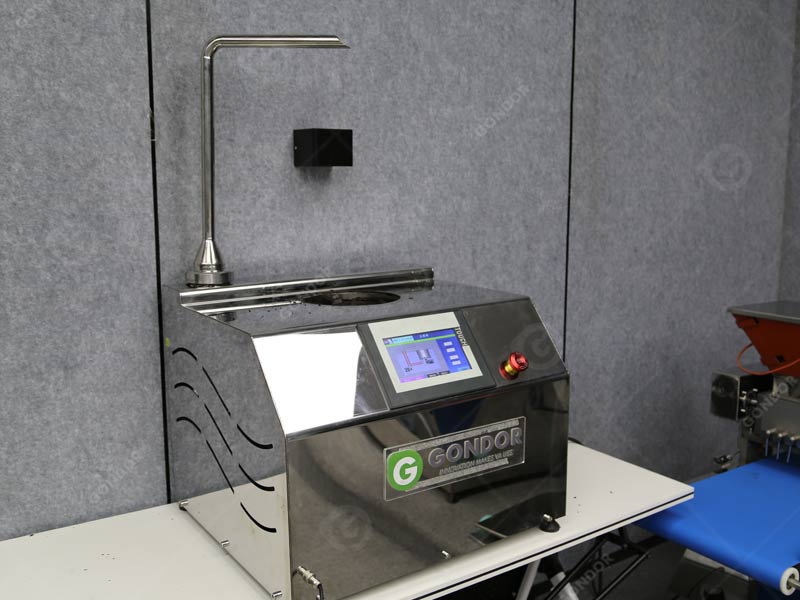
Tempérage dans la fabrication du chocolat: Pourquoi Gondor est votre meilleur partenaire
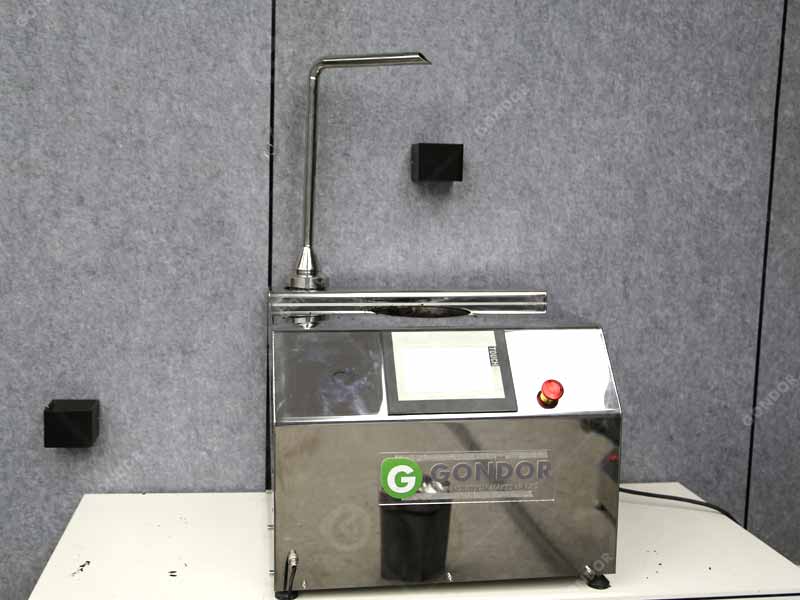
De la méthode d'ensemencement à la méthode de mise en table et au chauffage direct, ces trois types de tempérage du chocolat restent des connaissances essentielles pour les confiseurs du monde entier. Cependant, à mesure que la demande des consommateurs augmente et que les échelles de production augmentent, les processus manuels ne peuvent à eux seuls garantir la cohérence et l’efficacité dont les entreprises modernes ont besoin. C'est là que avancé tempéreuses de chocolat intervenir. Conçu pour un usage industriel, ils assurent un contrôle précis de la température, production continue, et une qualité de produit constante, ce qui permettra aux fabricants de HRLP de rester compétitifs sur un marché en croissance rapide.
Vous cherchez à moderniser votre ligne de production de chocolat? Contactez notre équipe dès aujourd'hui pour en savoir plus sur nos solutions de tempérage automatisé et découvrir comment nous pouvons vous aider à obtenir des résultats parfaits., lot après lot.