

Avez-vous déjà coupé un bloc de cheddar frais ou tartiné une ricotta crémeuse et vous êtes-vous déjà interrogé sur la magie qui se cache derrière cela ?? La plupart des gens pensent que la fabrication du fromage est un art sombre réservé aux moines alpins ou aux usines industrielles.. Mais voici un secret de quelqu’un qui vit et respire le secteur laitier: si tu peux faire bouillir de l'eau et suivre un battement de coeur, tu peux faire du fromage.
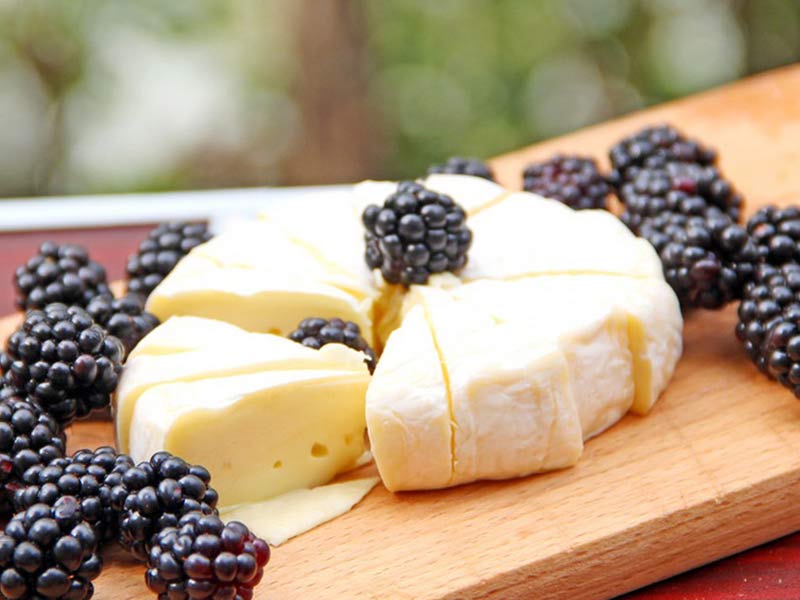
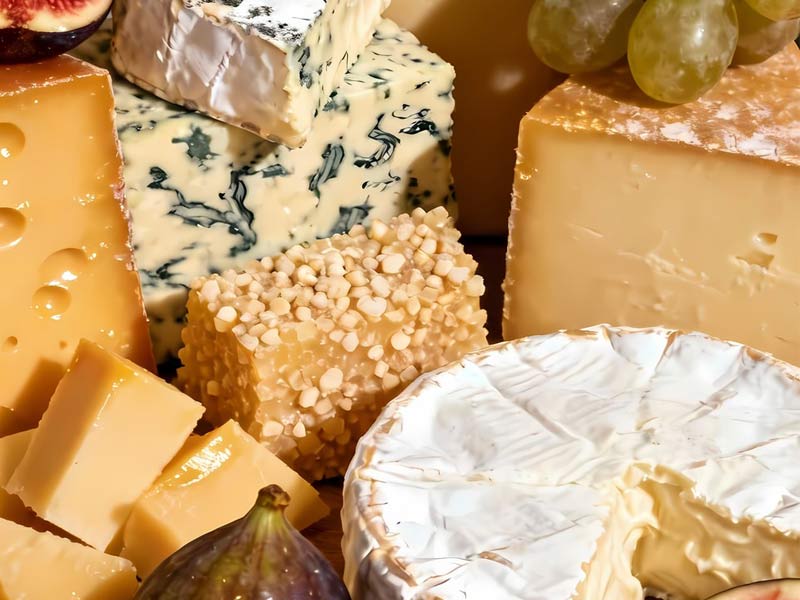
Qu'est-ce que le fromage?
Dans sa forme la plus simple, le fromage est “détérioration contrôlée.” En manipulant l’acidité et l’humidité du lait, nous transformons un liquide périssable en un solide de longue conservation. Que vous recherchiez une mozzarella rapide de 30 minutes ou un parmesan vieilli, le processus de fabrication du fromage suit un rythme universel.
Le “Quatre grands” Ingrédients
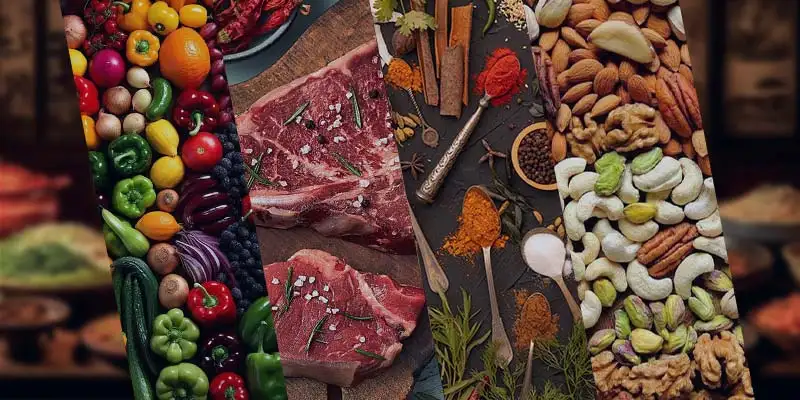
Avant de toucher un brûleur, il faut des composants de qualité. En tant qu'éditeur qui a vu des milliers de lots, je te dirai: Votre fromage est aussi bon que votre lait.
- Lait: Le frais est le meilleur. Éviter “Ultra-Pasteurisé” (EN HAUT) lait; la chaleur élevée tue les protéines nécessaires à un caillé ferme.
- Couru: Le “coagulation” enzyme. (Disponible sous forme animale ou végétale).
- Acide/Culture: Cela démarre la fermentation.
- Sel: Pas seulement pour la saveur, mais pour la préservation.
Le processus universel de fabrication du fromage
Bien que chaque recette soit différente, le processus de fabrication du fromage suit généralement ces six étapes. Comprendre le pourquoi de ces étapes est ce qui différencie un novice d'un pro.
| Étape | Action | Le “Sauce secrète” Aperçu |
|
1. Inoculation |
Réchauffer le lait et ajouter des cultures. | Ne précipitez pas la chaleur! Un chauffage rapide peut brûler les protéines du lait. |
|
2. Coagulation |
Ajouter de la présure pour former le “pause nette.” | Si ça ressemble à du yaourt, ce n'est pas prêt. Ça devrait ressembler à du tofu. |
|
3. Couper le caillé |
Couper le gel en petits cubes. | Cubes plus petits = fromage plus sec (comme le parmesan). Plus grand = humide (comme Brie). |
|
4. Cuisson |
Chauffer doucement et remuer le caillé. | Cela expulse le lactosérum (le liquide) des solides. |
|
5. Évacuation |
Séparer le caillé du lactosérum. | Enregistrez votre lactosérum! C'est de l'or liquide pour cuire du pain ou des smoothies. |
|
6. Salage/Vieillissement |
Ajouter de la saveur et attendre. | La patience est l'ingrédient le plus difficile à trouver. |
Recettes de fabrication de fromage adaptées aux débutants
Si vous apprenez à faire du fromage pour la première fois, ne commencez pas avec un bleu complexe à croûte lavée. Commencez par une victoire. Voici deux recettes qui offrent une gratification instantanée.
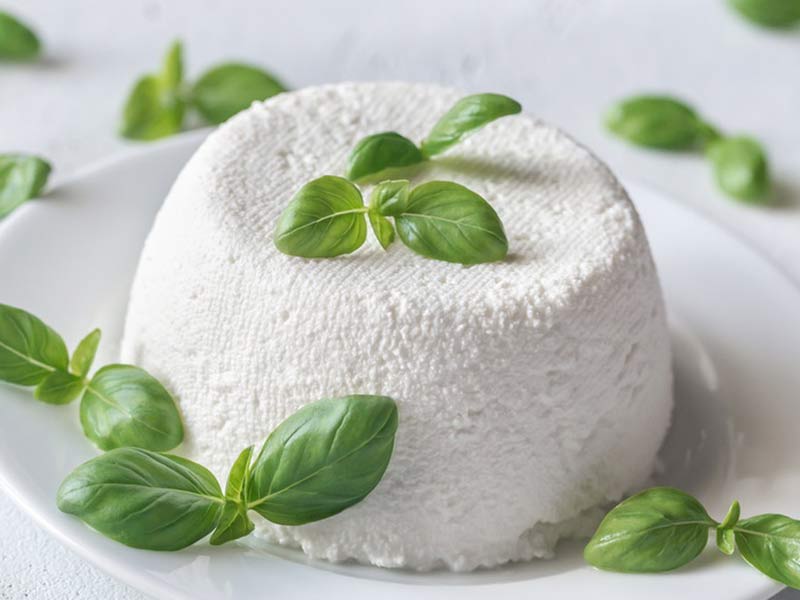
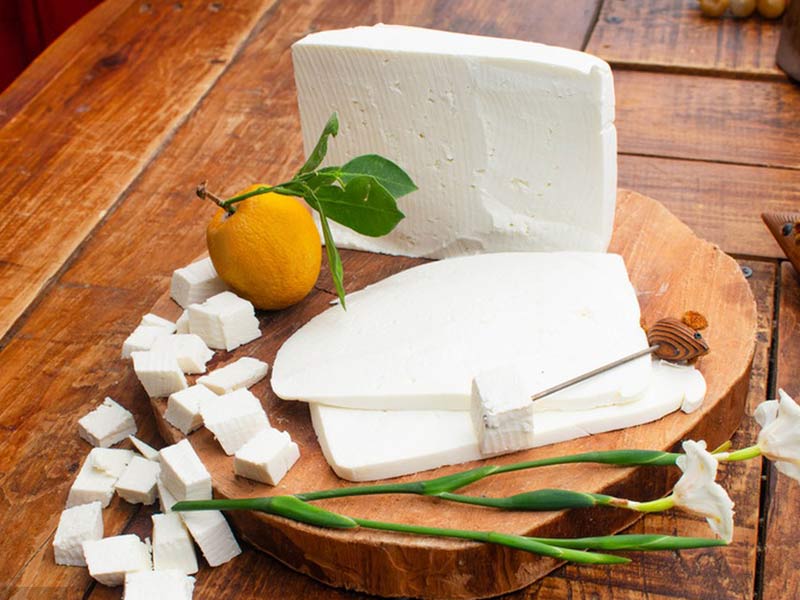
Dépannage: Pourquoi mon fromage a-t-il échoué?
Voici ce qui ne va généralement pas lorsque vous découvrez comment faire du fromage:
Un peu “trouille” c'est bien pour le fromage vieilli, mais le fromage frais doit toujours sentir le lait propre. Si ça sent le casier d'une salle de sport, jetez-le.
Généralement, le lait était trop pasteurisé. Essayez d'ajouter du chlorure de calcium pour aider les protéines “poignée” l'un l'autre.
Vous avez probablement trop cuit le caillé ou utilisé trop de présure.
Machine à fabriquer du fromage: Votre chemin vers la maîtrise
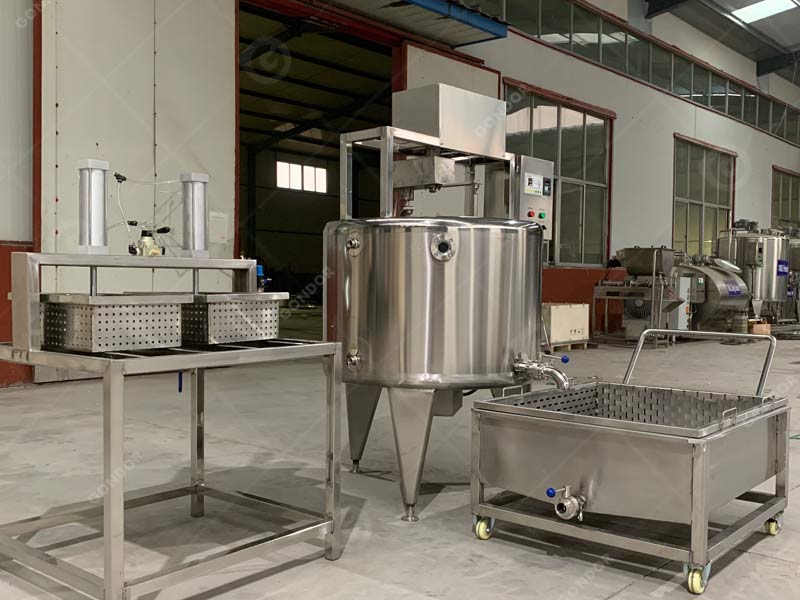
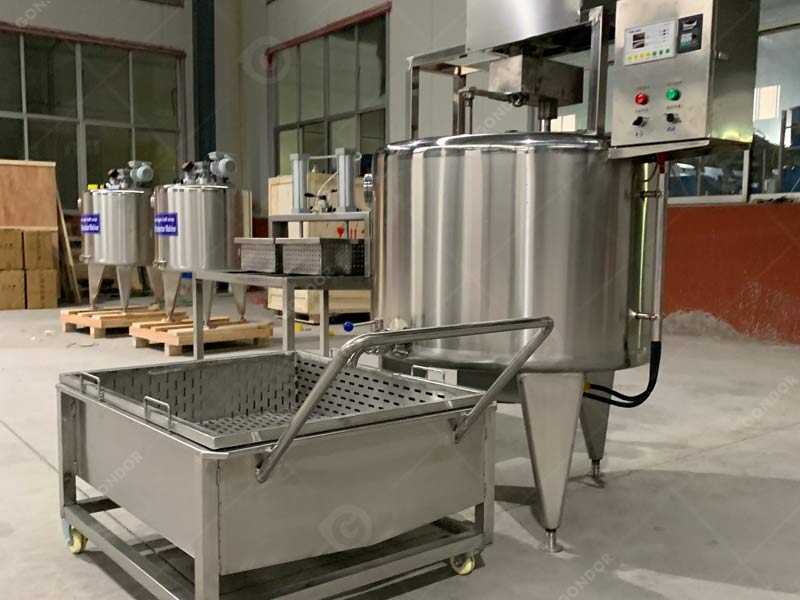
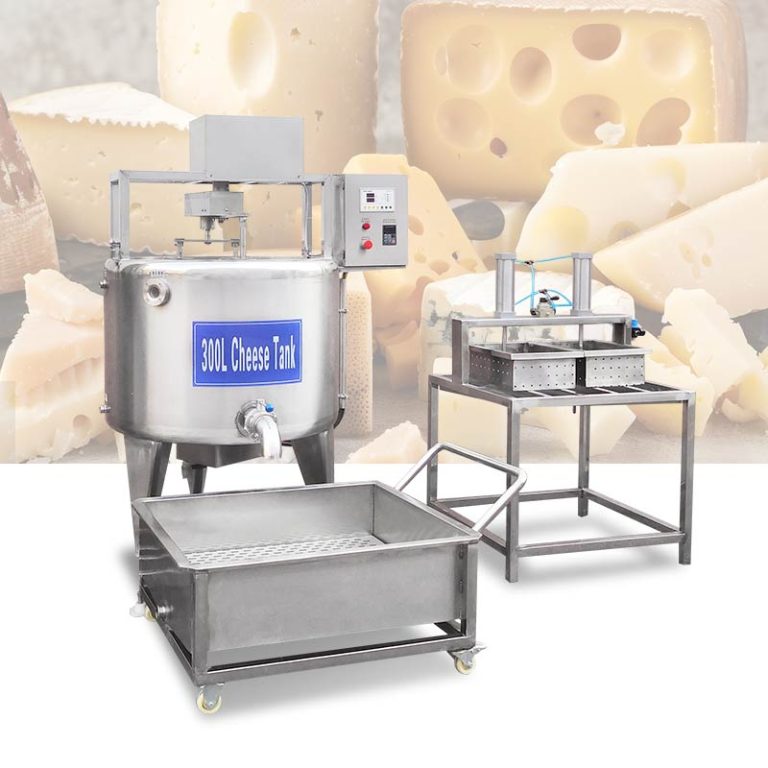
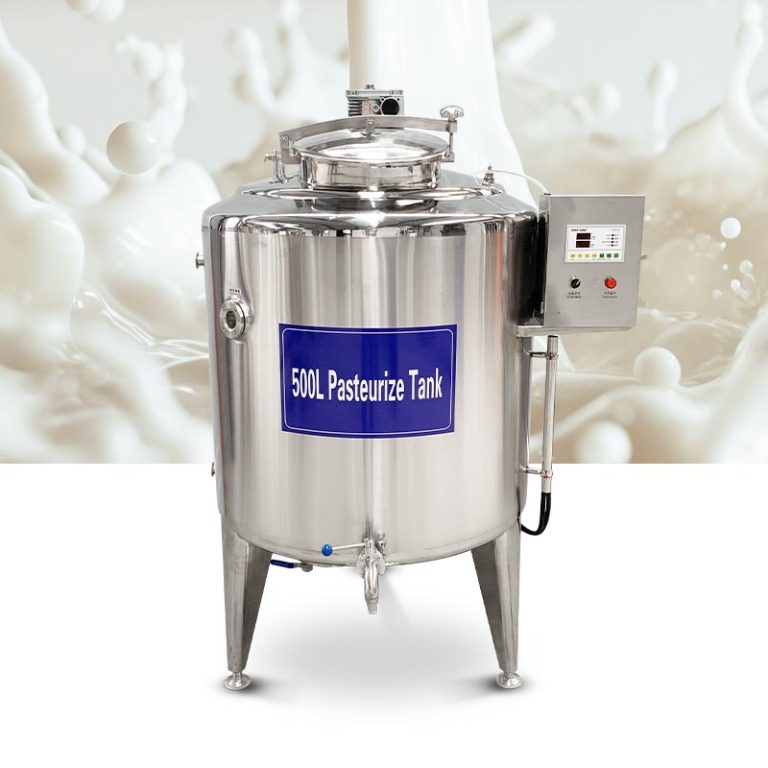
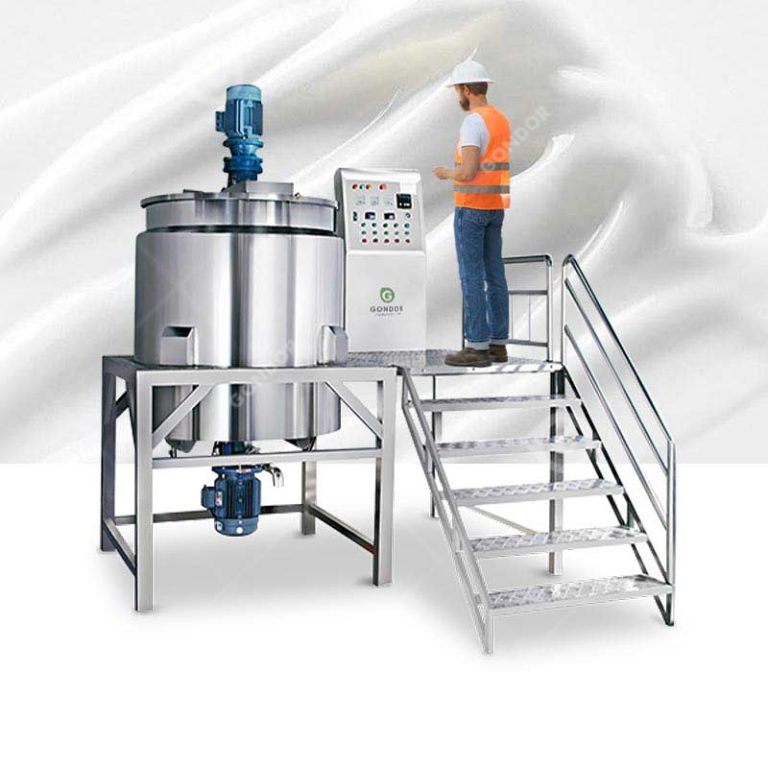
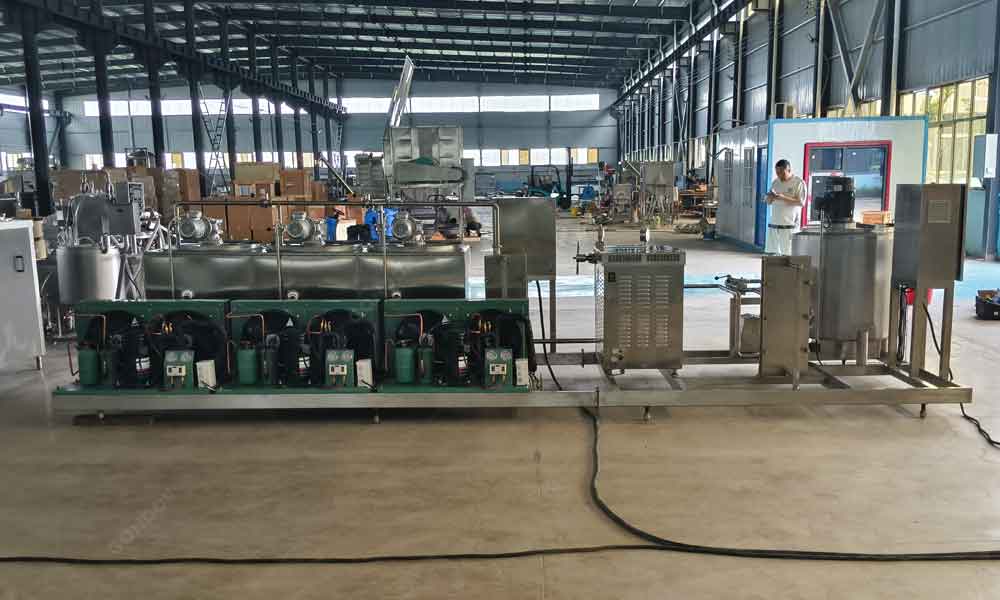
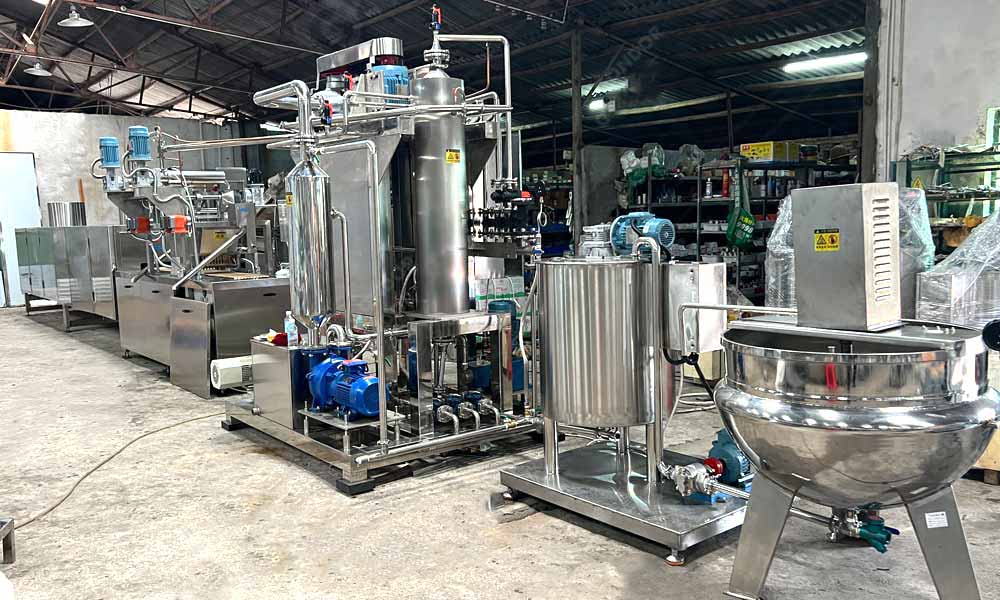
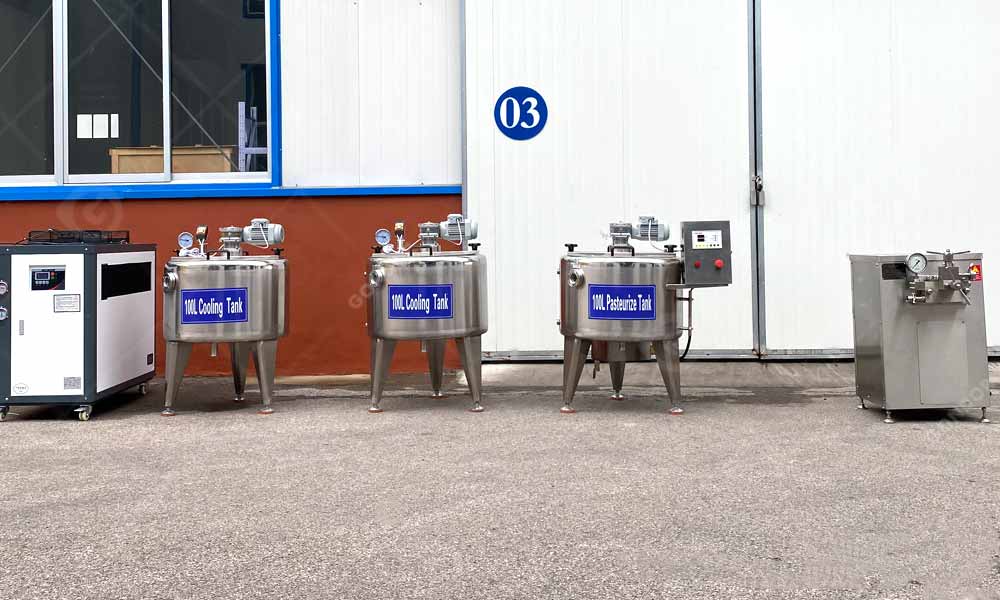
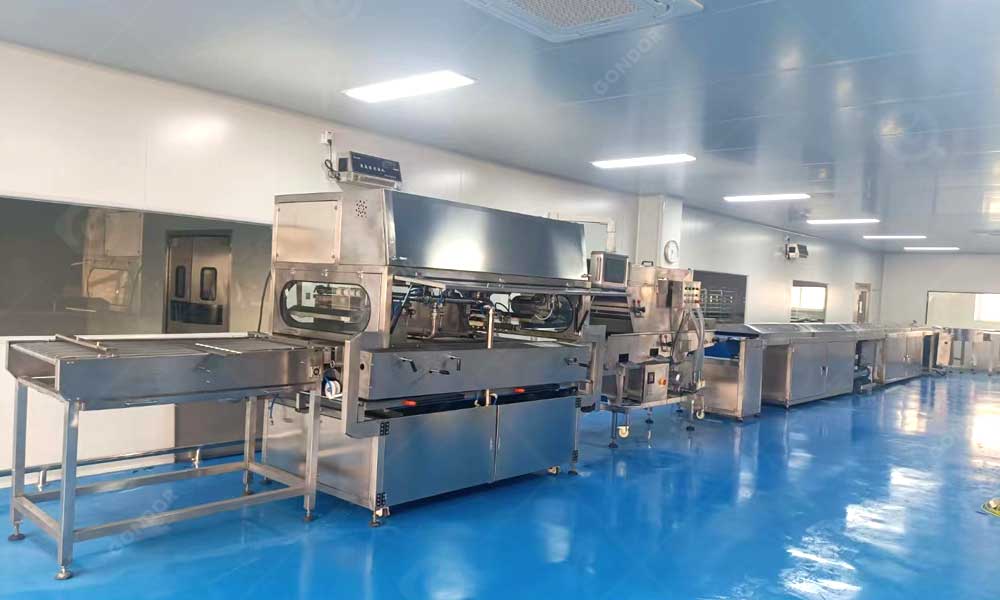
Quand on discute de la façon de faire du fromage, le climat est une variable incontournable. Si vous êtes dans un plateau tropical humide ou sec, le vieillissement naturel traditionnel deviendra extrêmement incontrôlable. A cette époque, une haute performance machine à fabriquer du fromage n'est pas seulement un outil, mais aussi votre “laboratoire”.