


What is a corn thresher machine?
A corn thresher is an agricultural machine that efficiently separates mature corn kernels from the cob, replacing inefficient methods such as hand-threshing and pounding, significantly improving harvesting efficiency and kernel quality. The corn thresher uses a high-speed rotating drum (toothed, textured, or axial flow type) to impact, rub, and squeeze the dry corn cob, causing the kernels to detach from the cob. The kernels are then collected and impurities removed using a concave sieve, fan, and vibrating screen.
Corn threshers can be categorized by size: small household models, mobile field machines, large stationary models, and single-ear seed machines. There are also needle-type fresh corn threshing sheller machines.
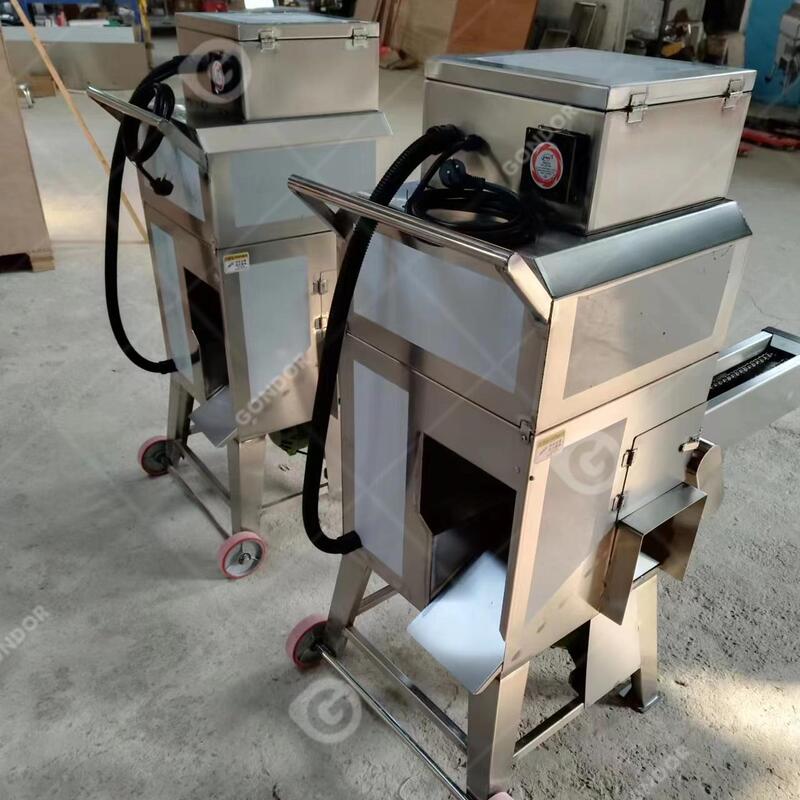
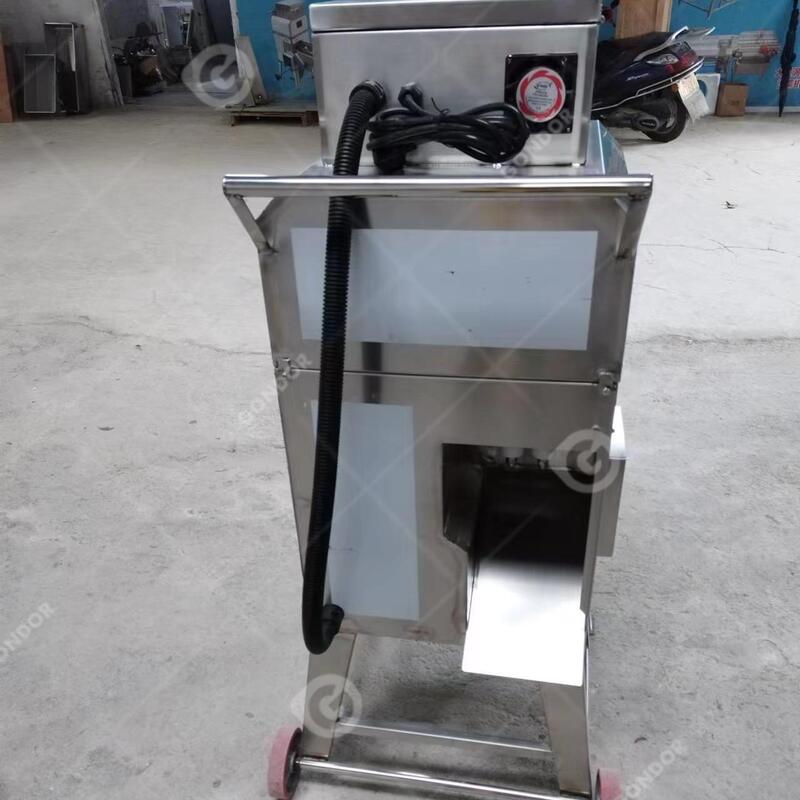
Basic Components of a Corn Thresher
A typical corn thresher (often called a corn thresher machine or corn sheller machine) mainly consists of the following key parts: a feeding device, a threshing drum, a concave sieve, a cleaning system, a transmission device, and a frame. These components work together to complete the entire process from corn cob input to clean kernel output.
Corn Threshing Machine Working Process
The corn threshing machine’s working process is a continuous and efficient physical separation process, involving threshing, separation, and cleaning. Specifically, it can be divided into the following stages:
Step 1: Feeding and Introducing
The operator feeds the harvested corn ears (usually with or without some husks) into the feed hopper. The feeding device is designed to ensure the corn ears enter the threshing chamber at a stable and uniform speed. The key at this stage is controlling the feed rate; a stable feed rate is more important than “pursuing instantaneous output,” significantly reducing clogging and breakage. Excessive feed will cause blockages, while insufficient feed will affect efficiency.
Step 2: Threshing Zone Impact/Kneading
This is the core of the entire process. After entering the threshing chamber, the corn ears encounter a high-speed rotating threshing drum. The drum is equipped with special threshing elements (such as spiked teeth, grooved bars, or roller teeth). Under the rotation of the drum, the corn ears are drawn into the gap between the drum and the concave screen. The concave screen is usually grid-like or mesh-like, maintaining a certain gap with the drum.
In this area, the corn cob is subjected to a combination of forces:
Kernels fall off, forming a mixture of “kernels + light impurities + broken cobs”.
Step 3: Initial Separation
Because kernels are heavier and smaller, they often preferentially pass through the concave screen holes; the corn cob and unthreshed parts continue to be thrown forward.
Step 4: Secondary Separation (Reducing “Entangled Seeds”)
Some models incorporate a secondary impact or an extended separation path in the later stages to reduce the rate of seeds entrained at the cob opening.
Step 5: Air Separation for Light Impurities
The airflow generated by the blower passes through the falling mixture. Lighter impurities are blown out of the machine, while heavier, plump kernels continue to fall. Excessive airflow may blow away kernels as well, while insufficient airflow will result in a higher impurity content.
Step 6: Screening and Clean Grain Output
The sieve filters out broken cobs and oversized impurities according to particle size. Qualified kernels exit from the kernel outlet, while corn cobs exit from the cob outlet. They can be directly bagged or transported to storage via a conveyor. Light impurities or fine powder exit from the impurity outlet. This completes the threshing process.
Advantages of Choosing a Corn Threshing Sheller
A high-efficiency corn threshing sheller typically possesses the following characteristics:
High threshing rate and low breakage rate: Optimized drum speed, threshing element shape, and gap design ensure efficient kernel threshing while minimizing impact damage to the kernels, protecting grain quality and commercial value.
Powerful processing capacity and adaptability: Capable of adapting to different varieties, humidity levels (within a certain range), and corn cob sizes, maintaining stable working efficiency.
Excellent cleaning effect: An effective cleaning system significantly reduces the impurity content in the kernels, reducing the burden of subsequent drying or sun-drying.
Easy operation and maintenance: User-friendly design; key components are easy to inspect and replace, lowering the user’s barrier to entry and maintenance costs.