


What is Cacao powder?
Cacao powder is a fine, brown powder rich in cacao polyphenols and aromatic compounds, obtained by fermenting, drying, roasting, shelling, grinding, pressing, defatting, crushing, and sieving cacao beans, the seeds of the cacao tree. Cacao powder is made through a series of processes, including fermentation, drying, roasting, shelling, grinding, degreasing, crushing, and sieving. Cacao powder contains almost no sugar and generally contains 10% to 22% cacao butter. It is the core ingredient in chocolate, baked goods, beverages, ice cream, candy, and other foods, and is the true source of chocolate’s “chocolate flavor.”
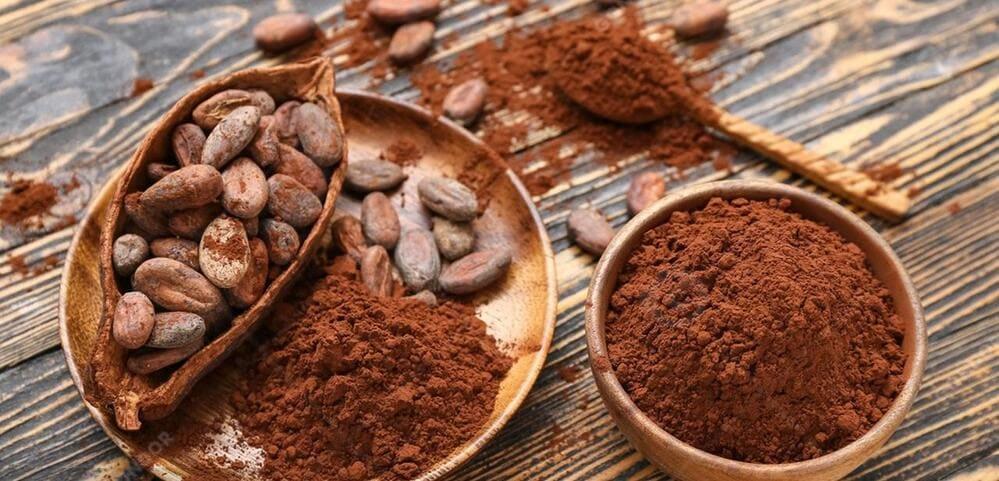
You can think of cacao powder as the “skeleton” or “soul” of chocolate—it provides chocolate’s rich, slightly bitter base and deep color, but with little or no (or no) creamy fat.
So, how is such an important ingredient, cacao powder, processed? In this article, Gondor Machinery will explain in detail: How is cacao powder made?
10 Steps to Cacao Powder Processing
Making cacao powder is a multi-step, carefully controlled process that transforms cacao beans into the final powder. The following are the detailed processing steps:
1. Harvesting:
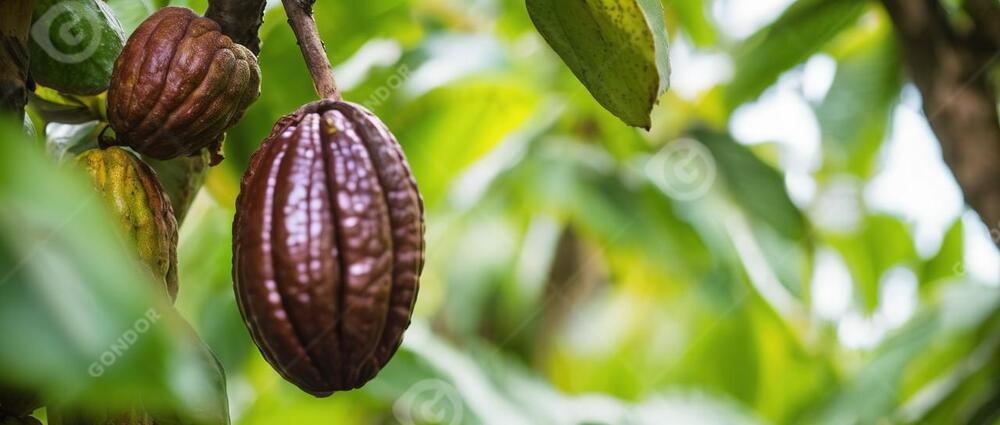
The cacao beans produced by the cacao tree are called cacao beans, which are the raw material for making cacao powder. When harvesting the beans, farmers use knives to cut the beans from the tree, taking care to avoid damaging the beans. The beans must be handled promptly after harvesting to prevent spoilage.
2. Bean Cleaning:
The beans are placed in a cleaning machine to remove surface impurities and dirt.
3. Fermentation
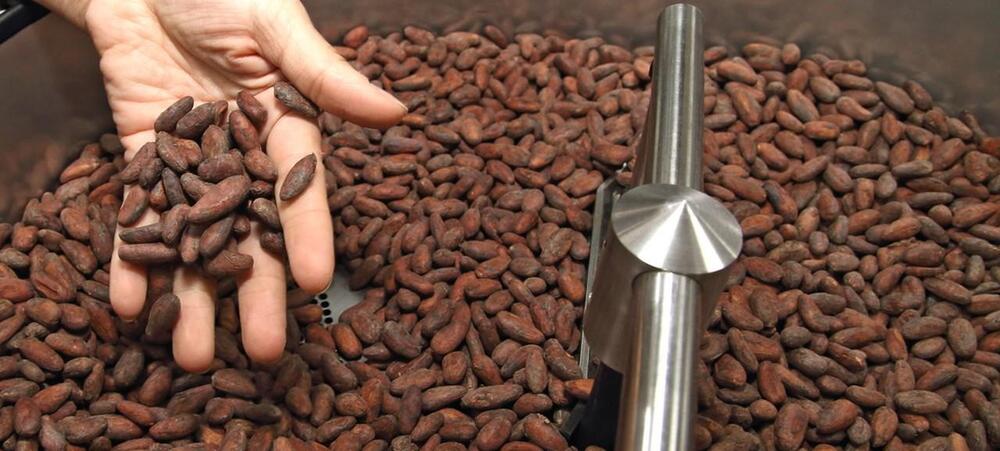
Fresh cacao beans are naturally fermented in a low-temperature, high-humidity environment, typically for 5-7 days. The purpose of fermentation is to use microorganisms to break down the liquid within the beans, producing acid. This process is crucial for flavor development, removing astringency and developing complex aromas such as fruity, floral, and smoky notes. It also releases the Cacao bean’s unique flavor and increases the beans’ solubility.
4. Drying
The fermented cacao beans are dried in the sun or in a drying room to a moisture content of approximately 7%. The drying process helps reduce the moisture content of the cacao beans, making them easier to store and transport. The drying method affects the flavor, with open-air drying being the most common method.
5. Roasting
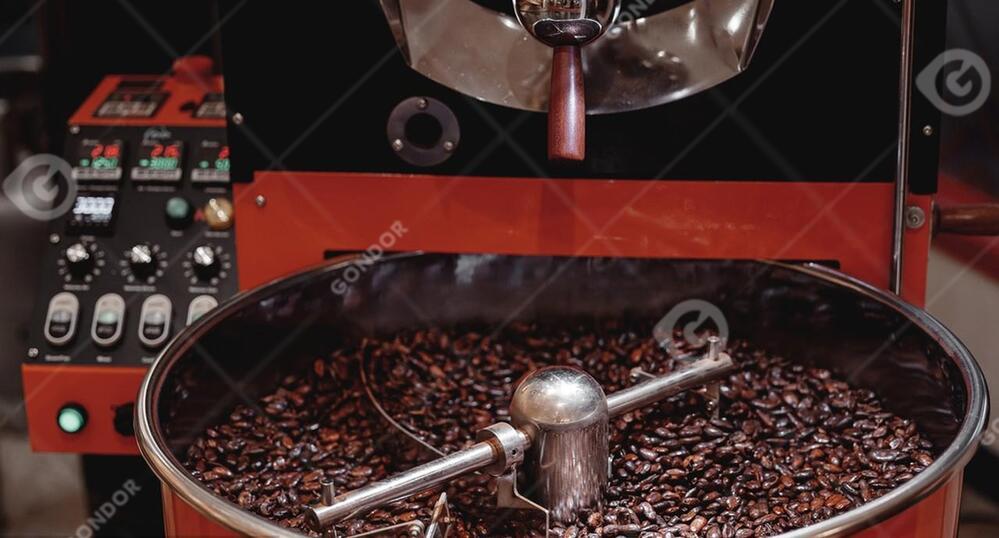
The dried cacao beans are roasted at 120-150°C for 20-40 minutes. The roasting time and temperature are adjusted according to the bean variety and the desired flavor profile. The roasted cacao nibs exhibit a deep black color and a rich cacao aroma.
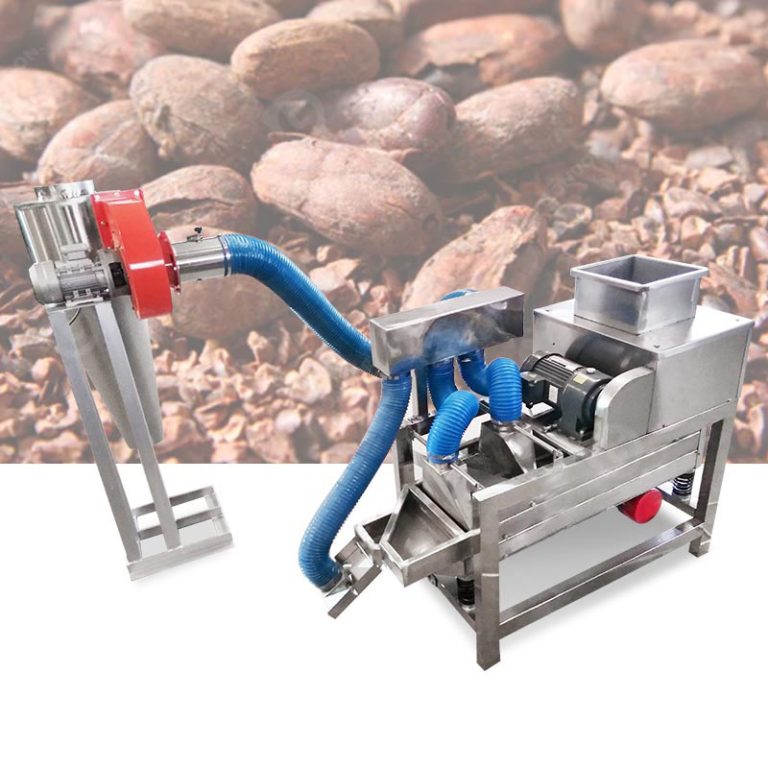
6. Shelling and Crackling
After roasting, the cacao beans are shelled using a cacao bean peeling and winnowing machine, removing the hard outer shells and producing cacao nibs. These nibs are then crushed into 0.5-3 mm particles in preparation for subsequent grinding.
7. Grinding
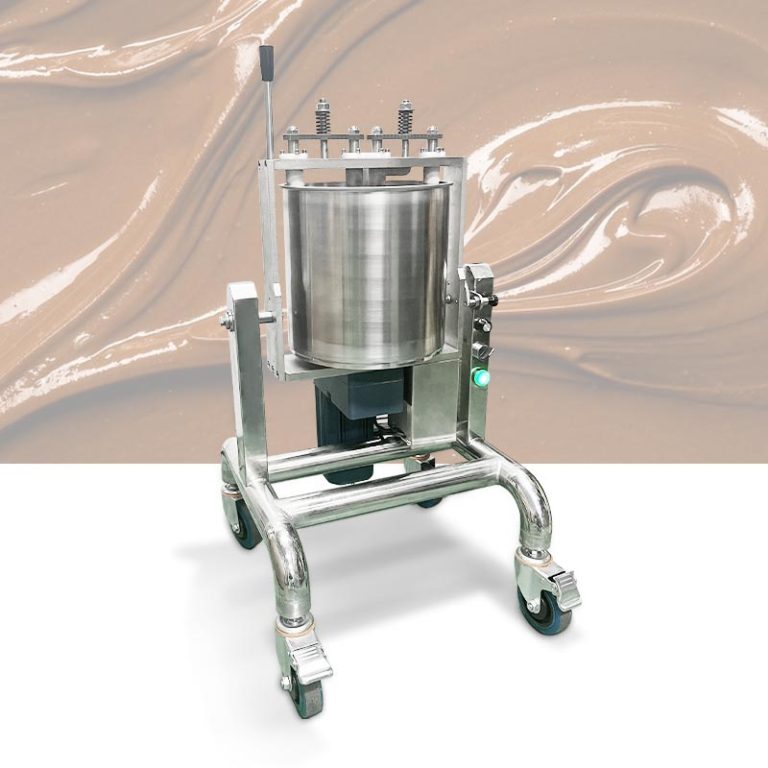
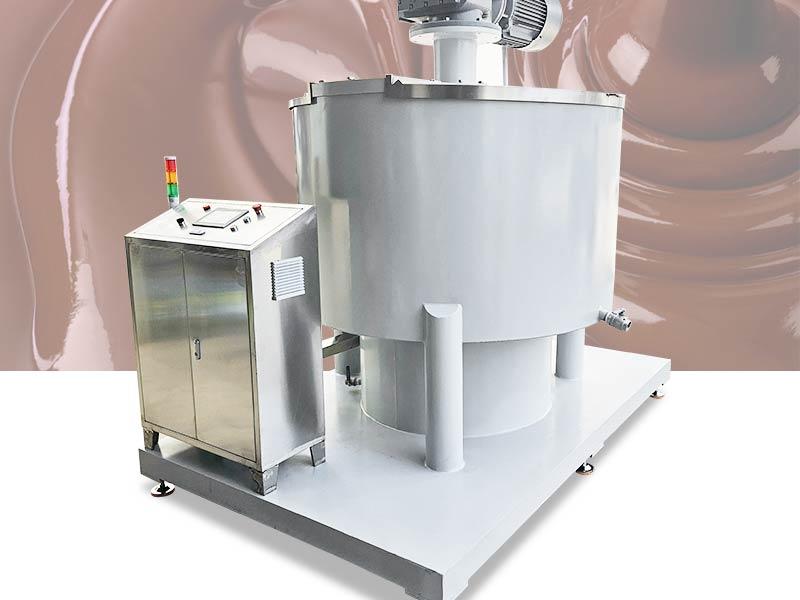
The roasted cacao nibs are fed into a grinder for grinding. This process is a critical step in converting cacao nibs into cacao powder. In the cacao grinder, the nibs are ground into extremely fine particles, which are then passed through a sieve to ensure a uniform and fine cacao powder.
8. Pressing and Degreasing
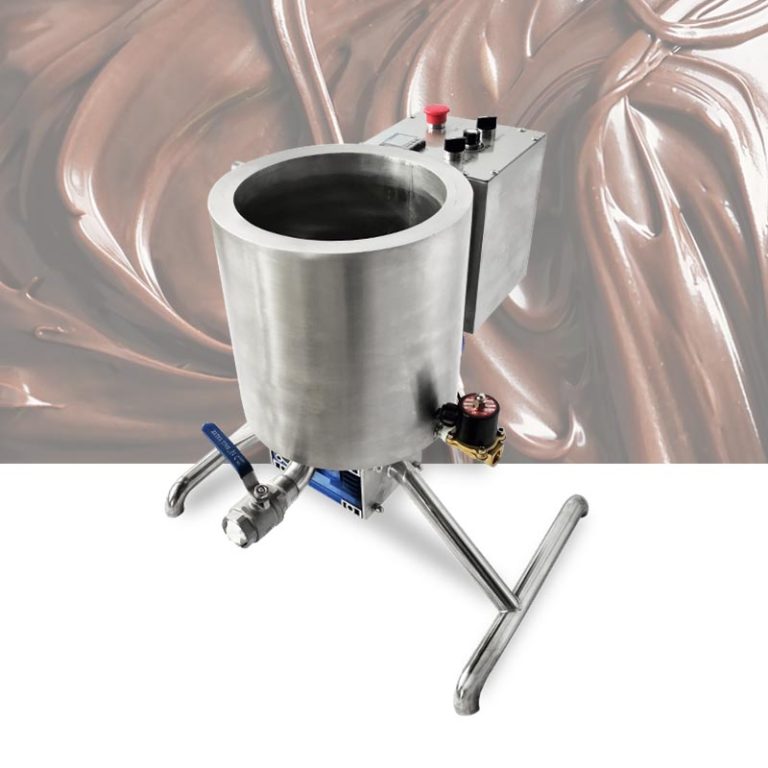
The cacao mass is fed into a hydraulic press to separate the cacao butter and cacao cake. Cacao butter is used in chocolate making, while cacao cake is used to make cacao powder.
8. Grinding and Sieving
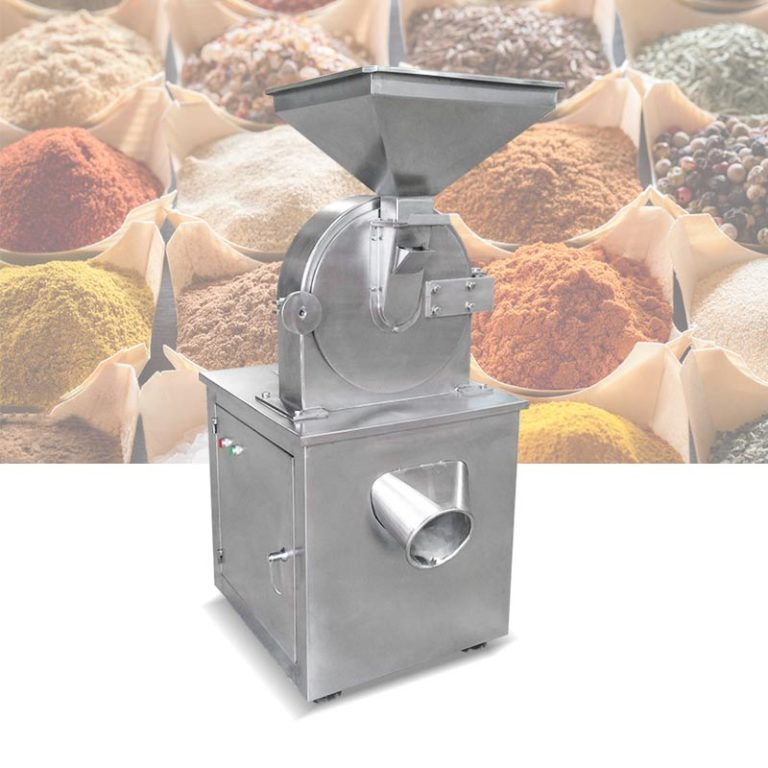
The cacao cake is crushed and sieved to produce fine cacao powder. Depending on the intended use, the fat content of cacao powder typically ranges from 10% to 22%.
9. Cacao Powder Flavoring
The ground cacao powder is placed in a mixer and mixed with sugar, milk powder, and other flavorings.
10. Packaging and Storage
The final cacao powder is cooled, quality-tested, and packaged. It is then stored in a dry, dark environment to prevent oxidation and moisture absorption.
Through the above process, the cacao beans undergo multiple steps of processing to produce high-quality cacao powder. Cacao powder has a rich cacao aroma and is widely used in the production of foods such as chocolate and beverages.