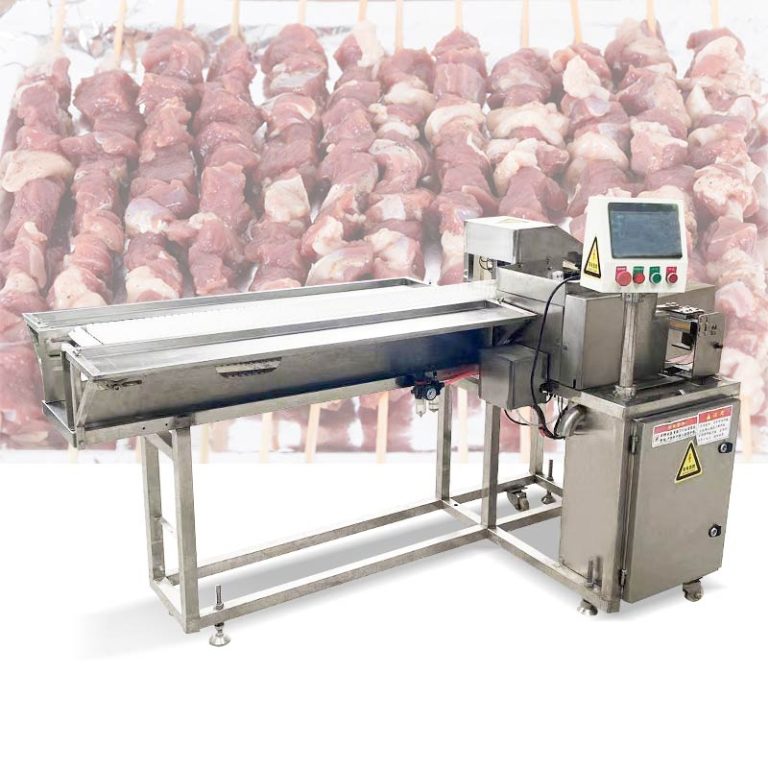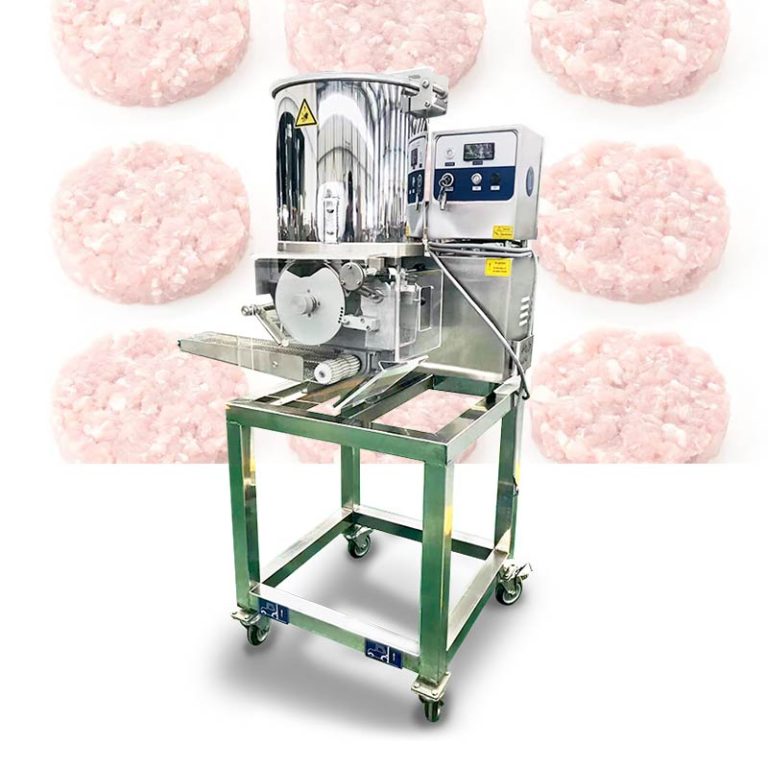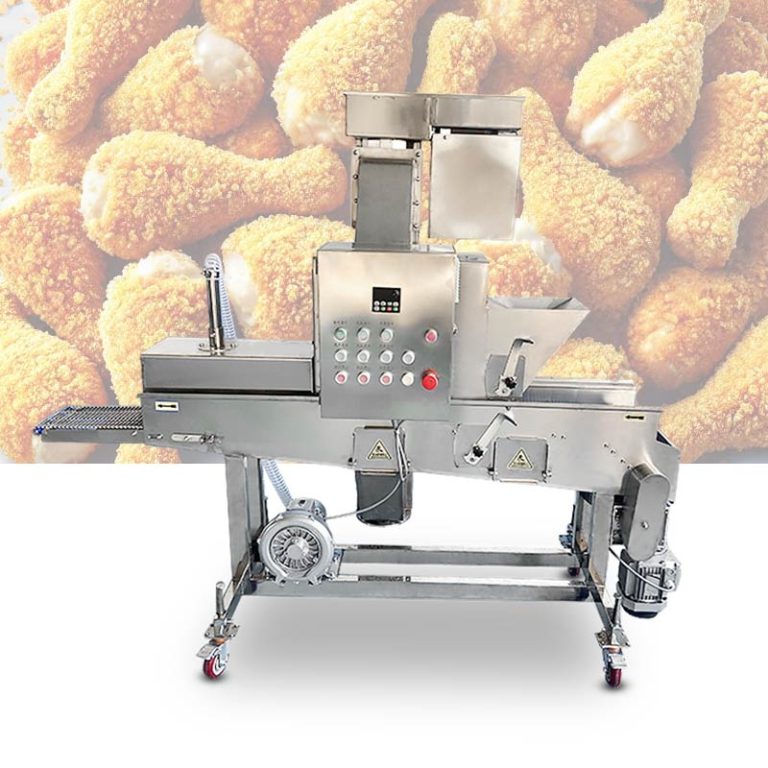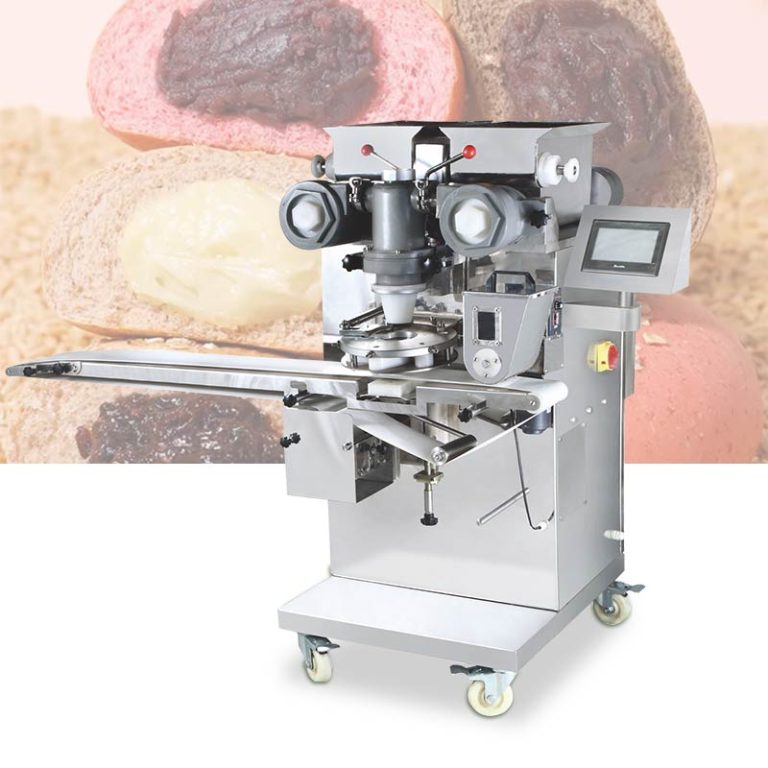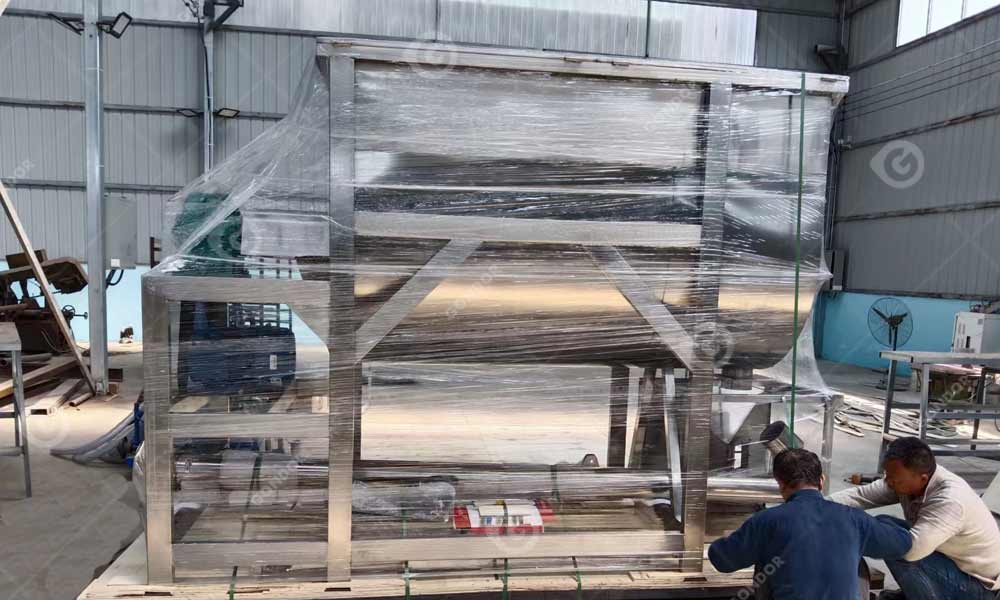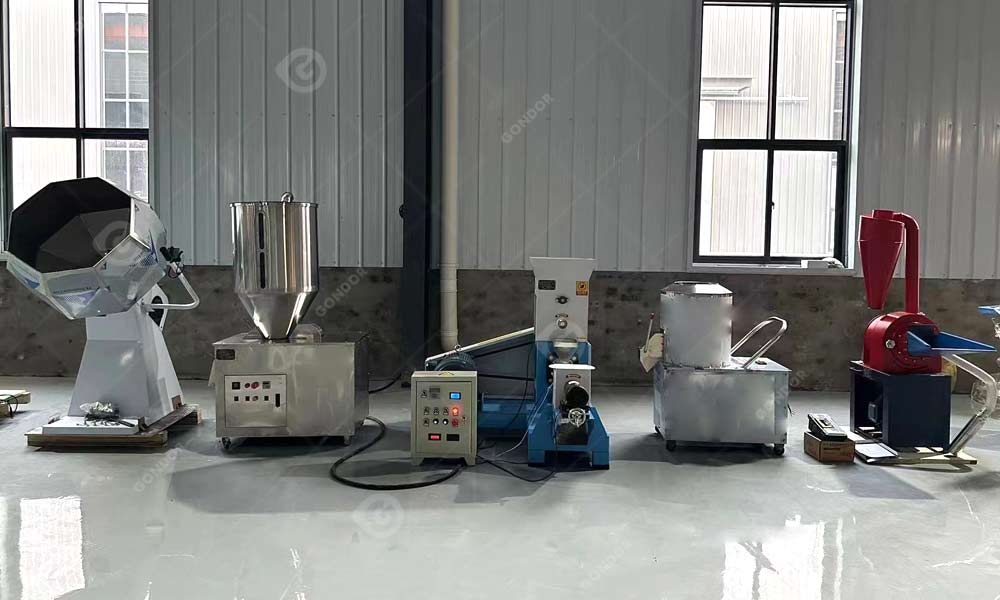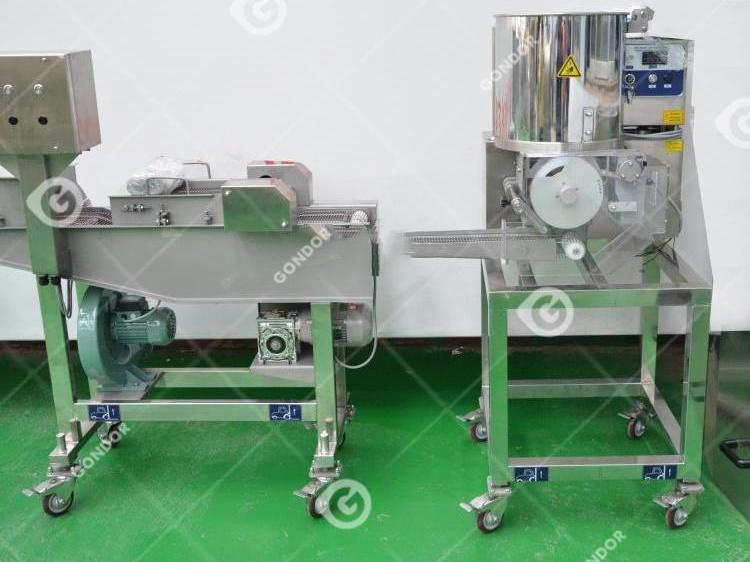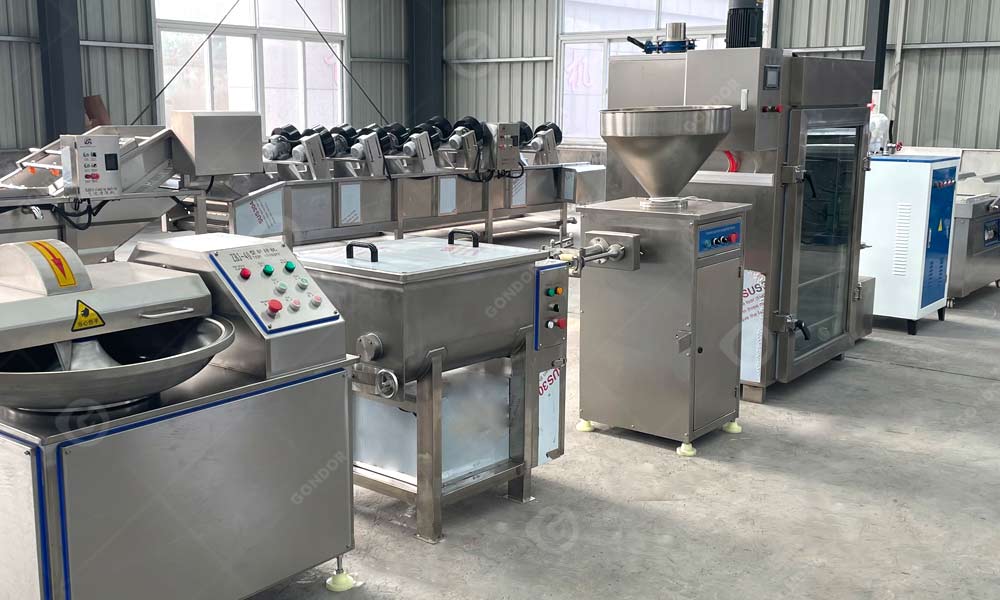



If you are planning a new meat processing project or looking to upgrade your existing production line, a frozen meat grinder is absolutely an unavoidable core piece of equipment. Whether your factory produces premium sausages, meatballs, or supplies burger patties to fast-food chains, this initial mincing process dictates the texture, yield, and even the shelf life of your final product.
However, during our daily interactions with clients, we’ve noticed that many factory owners and purchasing managers easily fall into blind spots when procuring heavy industrial meat machinery. The machines on the market often look identical, and the spec sheets are crammed with data. If you only focus on comparing prices, you might end up paying exorbitant maintenance costs later or, worse, causing your entire meat production line to grind to a halt.
Investing in the right meat processing machine not only drastically improves your workshop’s efficiency but also minimizes damage to the meat fibers. To help you avoid common procurement pitfalls, we have compiled the top 10 questions we are most frequently asked by global meat processors. Covering everything from capacity matching and power configurations to actual workshop applications, we hope this guide provides practical, real-world value for your next investment in commercial meat equipment.
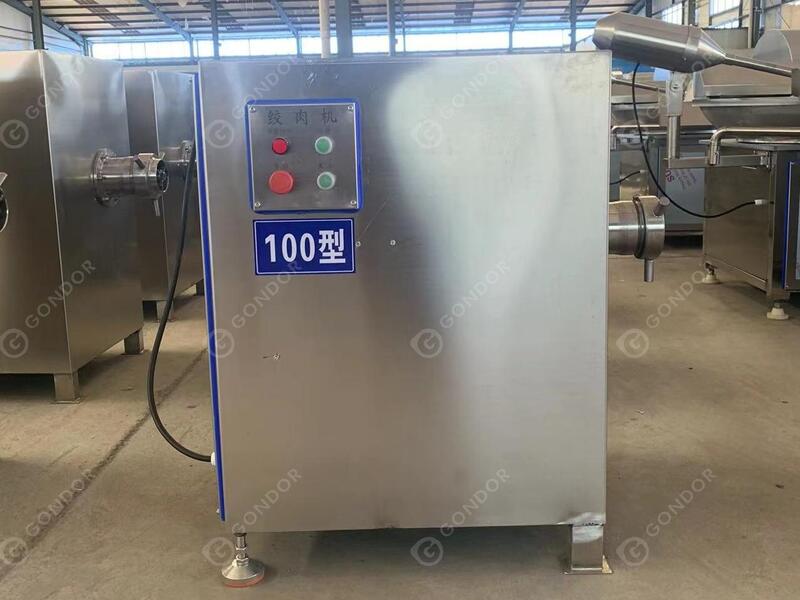
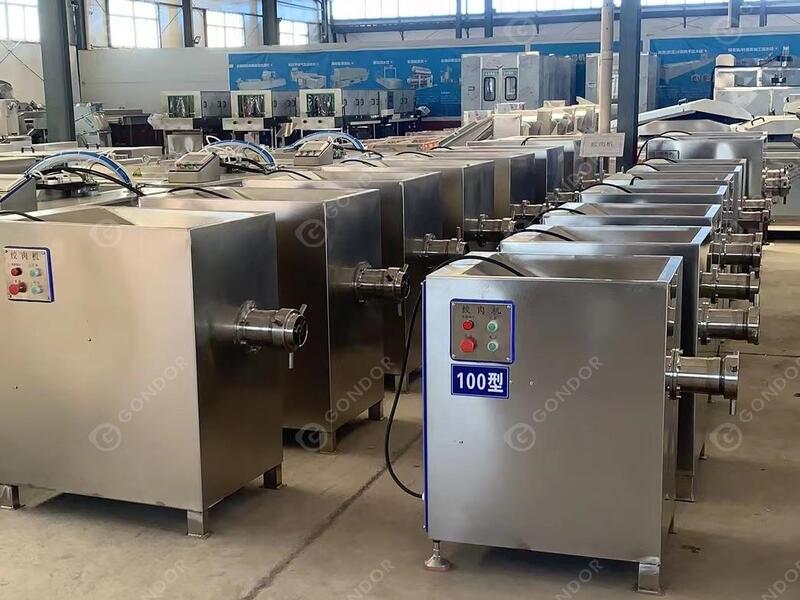
1. What capacity frozen meat grinder should I choose for my factory?
When clients ask for a quote, the first thing they often say is, “Recommend your biggest model.” But in reality, bigger is not always better when setting up a plant. The capacity you need depends entirely on the maximum throughput of your downstream food processing machinery, such as how much your vacuum meat mixer or sausage stuffer can handle at one time. If your grinder processes meat too fast and the downstream machines can’t keep up, minced meat will pile up on the floor. This not only invites bacterial growth as the meat warms up but also causes unnecessary waste. Conversely, if the grinder is too small, your entire production line is forced to wait, wasting valuable labor hours.
When designing a meat production line, we typically recommend leaving a 20% to 30% capacity buffer for your core mincing equipment. For example, if your patty line requires exactly 1.5 tons of raw material per hour, installing a grinder rated for 2 tons per hour is the safest bet. This ensures that when orders surge during the holiday season, your machine can handle the load without breaking a sweat. When discussing your needs with us, just provide your target daily output, shift hours, and the final meat particle size you want (e.g., a 6mm or 8mm plate). Our engineers will instantly know which configuration fits you best.
2. How does an industrial frozen meat grinder differ from a fresh meat grinder?
Please don’t use a fresh meat grinder to tackle frozen meat blocks—this is probably the most common “disaster” we encounter in our after-sales experience. A frozen meat grinder is born to crush rock-hard blocks at temperatures between -18°C and -4°C. To handle materials as hard as ice, its interior is equipped with a highly rugged ice-breaking auger and a massive speed reducer. When running, it uses overwhelming torque to forcibly “crush” the frozen blocks first, then smoothly pushes them toward the blades for a clean cut, requiring absolutely no thawing.
In contrast, fresh meat grinders have a much lighter structure. Some startup plants try to save money by running semi-frozen meat through large fresh meat equipment. What usually happens is that the motor smokes and burns out from overload shortly after startup, or the internal auger simply snaps in half. If your factory receives raw material that is 100% frozen, a dedicated heavy-duty frozen model is your only viable option. It saves you the massive expense of building thawing rooms and drastically reduces the risk of bacterial spikes that occur when meat sits at room temperature.
3. What is the ideal meat temperature for a frozen meat grinder?
The absolute sweet spot for processing frozen meat is right between -18°C and -4°C. Why do we need to be so precise? If you throw in a block straight from a -30°C deep freeze, even top-tier industrial machines can muscle through it, but doing so will severely shorten the lifespan of your cutting tools and plates. On the flip side, if the temperature rises above -4°C, the meat begins to soften. At this point, the grinder isn’t cleanly “cutting” the meat anymore; it’s aggressively extruding and rubbing it. This ruins the definition of the meat granules and causes the meat temperature to spike rapidly.
Take the production of high-end Salami, for instance. If the fat melts due to friction heat, the texture of the entire batch is ruined. Therefore, strictly controlling the temperature of the raw material before it enters the meat processing machine is the secret to premium quality. We always advise workshop supervisors to carefully manage the logistics from the cold storage to the processing zone, ensuring the meat blocks arrive in that perfect, slightly frozen state.
4. Why is SUS304/316 stainless steel crucial for commercial meat equipment?
No matter how much a supplier praises their industrial meat machinery, you only need to check one thing during a factory inspection: are the core contact parts made of genuine food-grade SUS304 or SUS316 stainless steel? The environment in a meat processing facility is notoriously harsh. Machines are covered in blood and animal fats daily, and after shifts, they are blasted with high-pressure water mixed with potent acidic or alkaline cleaning chemicals. Ordinary carbon steel or cheap, low-grade stainless steel will rust extensively within just a few months under these conditions.
Once rust appears inside the machine, it’s not just a matter of the equipment breaking down; rust and heavy metals will mix directly into the meat paste. This is a severe red line in any country’s HACCP food safety regulations. When our team designs equipment, we ensure that not only the exterior casing but also the hidden augers, knife housings, and tight corners are made from solid stainless steel and finely polished. For factories near the coast or those processing highly salted sausage recipes, we strongly recommend SUS316 for its superior resistance to chloride corrosion. Never compromise your budget on material quality.
5. How to evaluate the motor and power requirements for heavy-duty meat processing?
Buying a heavy-duty meat grinder is a lot like buying an off-road vehicle—you can’t just look at the horsepower (kW); you need to look at the torque. Processing frozen meat blocks requires massive starting power. High-quality equipment typically uses pure copper-core motors from top-tier international brands (like Siemens or ABB). More importantly, the motor must be paired with an exceptionally heavy-duty, hardened-gear speed reducer. This is the only way to ensure the motor’s power translates into relentless ice-crushing torque without any loss.
We often hear clients complain that the cheap machine they previously bought looked powerful on paper, but stalled the moment it hit a large frozen block. To put it bluntly, that happens because the gearbox is of poor quality, and the power is lost during transmission. Furthermore, professional meat machinery manufacturers now standardly equip their machines with Variable Frequency Drives (VFD). A VFD ensures a smooth startup—preventing sudden power surges from tripping the factory’s circuit breakers—and allows operators to flexibly adjust the auger speed depending on the toughness of the meat.
6. What safety features are essential in automatic meat processing machines?
On the meat processing floor, operators often work long, high-intensity shifts, and moments of fatigue or distraction are inevitable. Industrial food equipment operates with brutal force, and any workplace injury is devastating to a factory. Therefore, “foolproof” safety designs are the absolute bottom line for saving lives.
A qualified heavy-duty grinder must feature safety sensors on the feeding hopper, highly visible emergency stop buttons that an operator can hit with their eyes closed, overload protection, and interlocking safety guards. For example, if a worker opens the hopper guard for any reason while the machine is running, the sensor must cut the power within half a second, forcefully stopping the auger. These sensors and interlocks represent a significant portion of manufacturing costs, but they are absolutely non-negotiable. If a machine doesn’t even have basic open-cover power shutoffs, don’t buy it, no matter how cheap it is.
7. What are the daily maintenance and cleaning requirements?
Even the most robust machine will fail if neglected, but maintaining an industrial grinder isn’t actually that complicated. It boils down to two things: thorough daily washdowns and replacing cutting tools as a complete set. To encourage workers to clean the machine properly, outstanding meat processing solutions employ tool-free, quick-dismantle designs. No matter how heavy the feeding auger is, an operator should be able to remove it by hand in minutes. The internal chamber should be smooth and rounded, allowing a high-pressure water gun to blast away residue without leaving any blind spots for bacteria to hide.
When it comes to cutting tools, there is a critical operational rule: the hole plate and the cross knife must always be sharpened or replaced together as a matching set. Many factories try to save a few dollars by replacing a dull blade while keeping a grooved, worn-out plate. The result is that the new blade and the old plate don’t sit flush. It’s like trying to cut fabric with dull scissors—the meat is mashed and squeezed through the holes rather than being cleanly cut, causing the meat temperature to spike and ruining the texture. Proper daily maintenance not only extends the machine’s life for years but is also the key to guaranteeing product quality.
8. Can this meat machinery handle other ingredients besides pork and beef?
Don’t let the name limit your imagination. Although it’s called a frozen meat grinder, its ice-breaking mechanical structure makes it incredibly versatile on the workshop floor. As long as the hardness and size of the material don’t exceed the machine’s physical limits, it easily handles not just pork, beef, and mutton, but also frozen poultry (including chicken frames with bones), frozen fish blocks, and even extremely tough frozen animal fat.
This high versatility is a great tool for quickly recovering your investment. For instance, many of our Pet Food clients use it daily to grind bone-in chicken thighs and frozen cartilage with excellent results. However, keep in mind that processing materials with different toughness requires different hole plates. Grinding pure meat blocks versus grinding sinewy meat requires completely different speeds and blade setups. Before finalizing your order, we recommend sharing your future product plans with our engineers to ensure the machine has enough flexibility to grow with your business.
9. Can the frozen meat grinder integrate with my existing meat production line?
This is exactly what our engineering team prioritizes when designing complete plant layouts: no machine should be an island. You might just be looking for a standalone unit today to solve an immediate mincing bottleneck, but as your business grows, you’ll likely want to upgrade to a fully automated line. Modern automatic meat processing machines are designed from day one with system integration in mind.
In a standard configuration, the grinder docks seamlessly with 200L Euro-bins and automatic column lifters (Bin Lifters), completely eliminating the need for workers to manually shovel meat into the hopper. Additionally, the discharge height of the machine can be customized. For example, if you plan to connect it to a vacuum meat mixer downstream, we can elevate the grinder’s discharge outlet so the minced meat drops directly into the mixer via gravity. In a food factory, the less manual handling the meat undergoes, the lower the risk of cross-contamination, and the more stable your production rhythm becomes.
10. How do I maximize the ROI when investing in industrial food equipment?
At the end of the day, everyone buys equipment to make money. To maximize your Return on Investment (ROI), you must look past the initial price tag and focus on the “Total Cost of Ownership.” If you try to save 30% upfront by buying a cheap machine that breaks down constantly, the absurdly expensive spare parts and, more importantly, the delayed deliveries and lost clients will easily erase any savings you made.
A premium commercial food processing machine, when properly maintained, will effortlessly serve your factory for over 10 years. In terms of daily management, we strongly suggest assigning fixed, experienced operators to the machine. Veteran workers know how the machine should sound. If they hear an abnormal grinding noise or feel an unusual vibration, they will stop the machine immediately for inspection. This simple habit can prevent a loose screw from destroying the entire gearbox. Buying a machine is buying long-term production security. Durability, easy cleaning, and zero material waste are what truly deliver a high ROI.