

If you’ve ever stood in front of a yogurt wall at the supermarket thinking, “Wait… is this healthy or just sneaky dessert?”—you’re not alone. Online threads get heated fast because “processed” sounds like a bad word, while yogurt is often praised as a gut-friendly staple.
Here’s the calmer, more useful way to look at it:
- Yes, yogurt is processed in the literal sense: milk is transformed through heating and fermentation.
- But not all processing is equal. Plain yogurt can be “minimally processed,” while some flavored yogurts drift into “ultra-processed” territory depending on added sugars and additives.
Let’s break it down—and then I’ll share a quick recipe that tastes like a treat but keeps the ingredient list short.
Is Yogurt Processed?
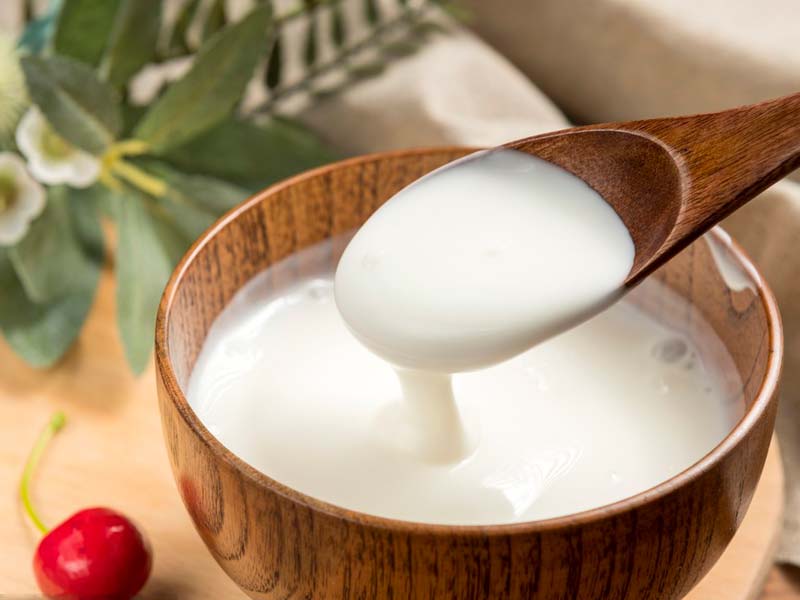
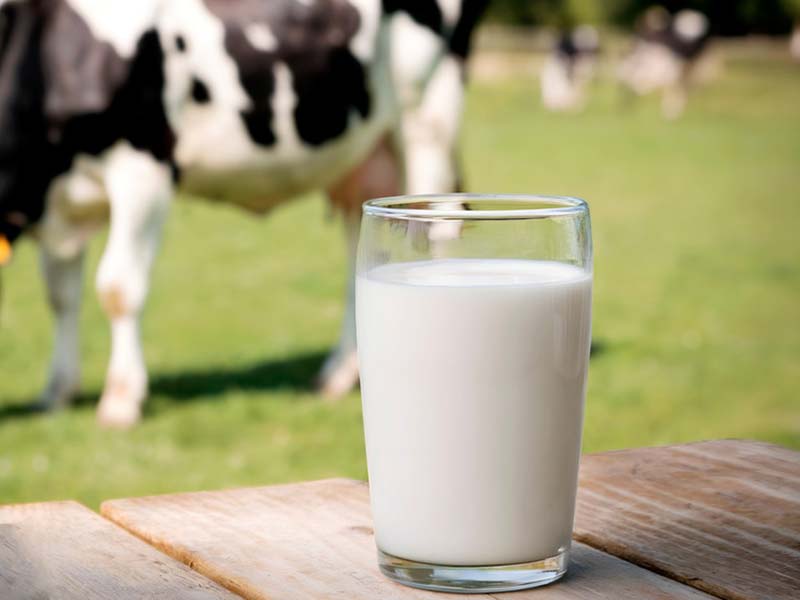
So, is yogurt processed? Absolutely. Yogurt is made by heating milk, cooling it, adding starter cultures, fermenting, and then chilling. A university extension guide describes a typical home process like heating milk to 180°F (82°C), cooling to about 108–112°F (42–44°C), adding starter, incubating, and refrigerating. That’s processing—but it’s a traditional, ingredient-light kind.
Is Yogurt a Processed Food or “Ultra-Processed”?
It depends on what’s in the cup. Here’s the key nuance most people miss:
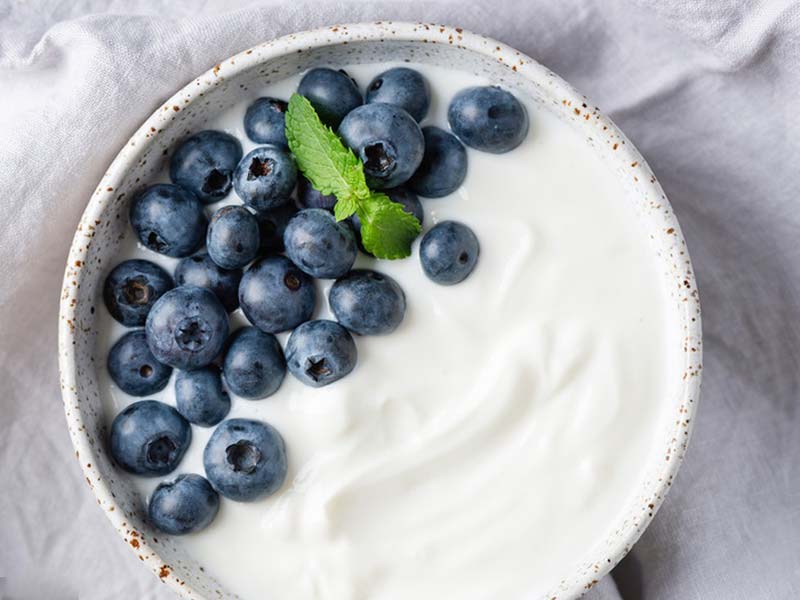
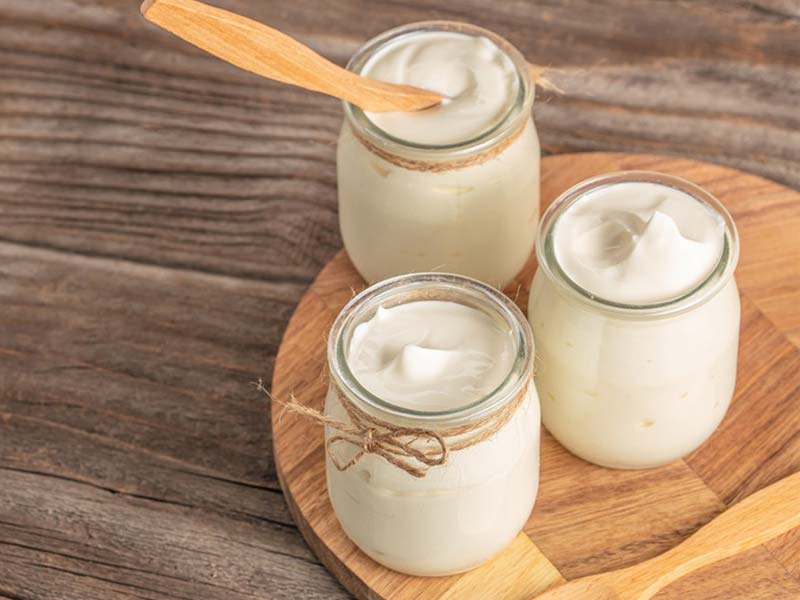
- Plain, unsweetened yogurt often fits “minimally processed.”
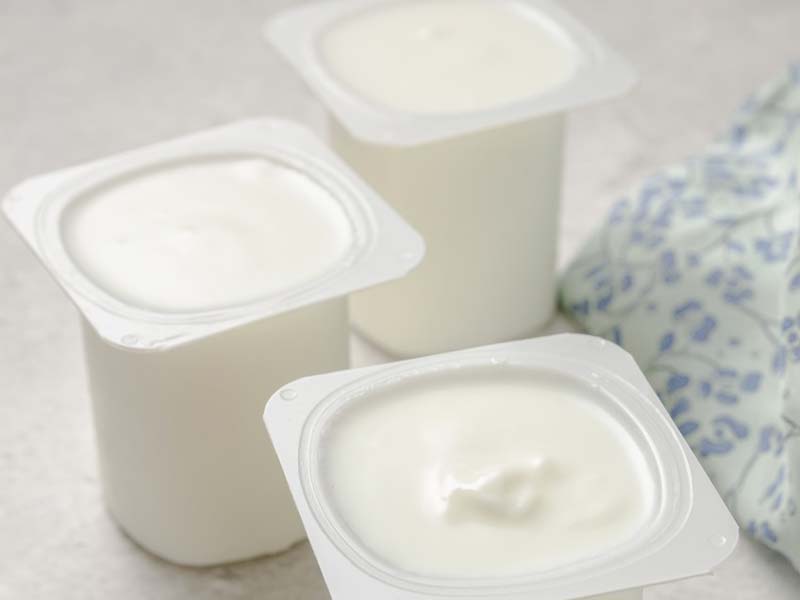
- Fruit-on-the-bottom, candy-mix-in, or “high-protein dessert” styles may be “processed” or ultra-processed depending on sweeteners, thickeners, flavorings, etc.
| Yogurt type | Typical ingredient vibe | Where it often lands |
| Plain yogurt (unsweetened) | milk + cultures | minimally processed |
| Plain Greek yogurt | milk + cultures (strained = thicker) | minimally processed |
| Vanilla / fruit-flavored | sugar or sweeteners + flavors | often ultra-processed-ish |
| “Kid” yogurt tubes/candy mix-ins | additives + sweeteners + stabilizers | often ultra-processed |
How to Choose Yogurt like a Label Detective?
When I’m buying yogurt, I aim for boring labels. Boring usually means fewer surprises.
A simple checklist:
- Short ingredient list (ideally: milk + cultures).
- Watch added sugars (fruit-flavored is often the trap).
- If you want probiotics, look for live cultures.
- If you see lots of stabilizers/sweeteners, treat it more like a dessert.
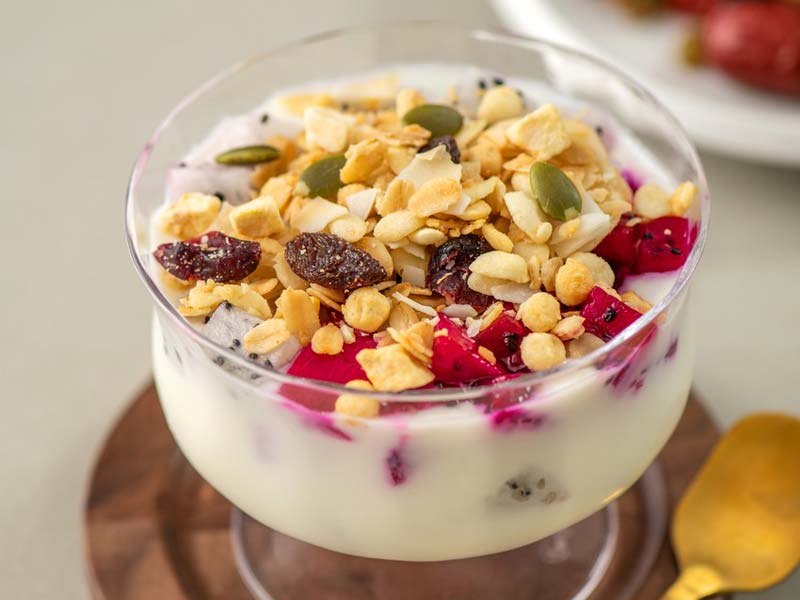
A “Minimal-Ingredient” Recipe: Crunchy Berry Yogurt Bowl
This is my go-to when I want the comfort of something sweet, but I don’t want a sugar bomb disguised as wellness.
Why This Works (Nutritionally + Practically)
Yogurt brings a fermented “food matrix” with nutrients and cultures; pairing it with fruit can add fiber and complementary nutrients.
And because you control the sweetness, you avoid the “fruit-flavored yogurt that’s basically dessert” problem.
Variations you won’t get bored with:
- Tropical: yogurt + mango + toasted coconut (unsweetened).
- Chocolate-ish: yogurt + cocoa powder + banana slices.
- Savory (surprisingly good): yogurt + cucumber + olive oil + salt + herbs.
From Kitchen To Factory: What Changes At Scale?
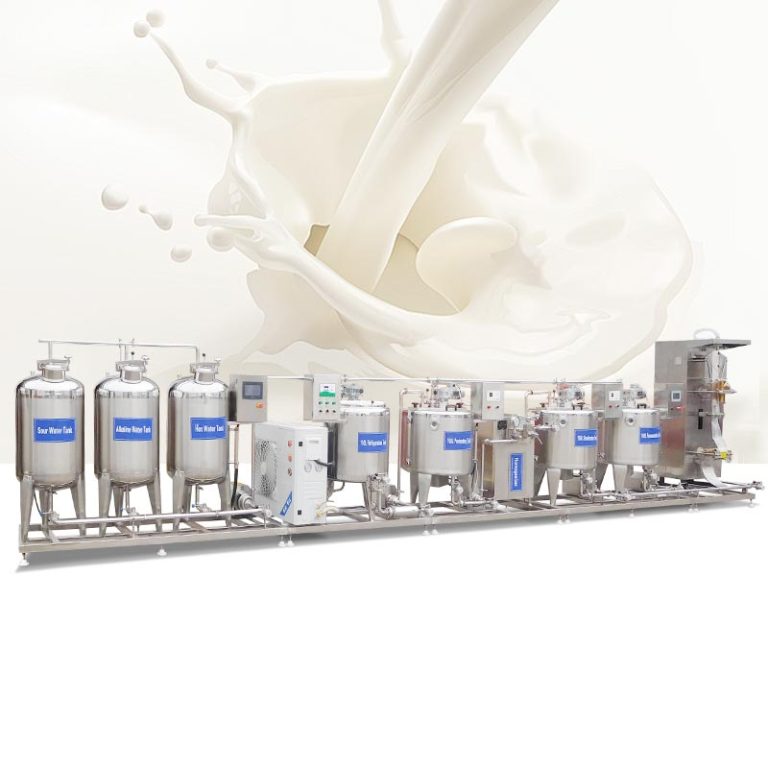
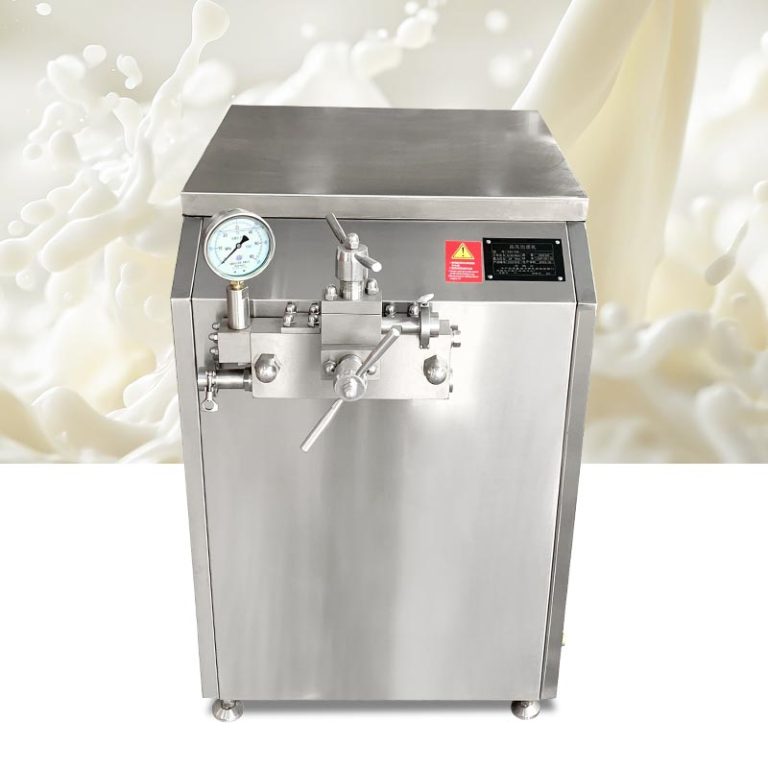
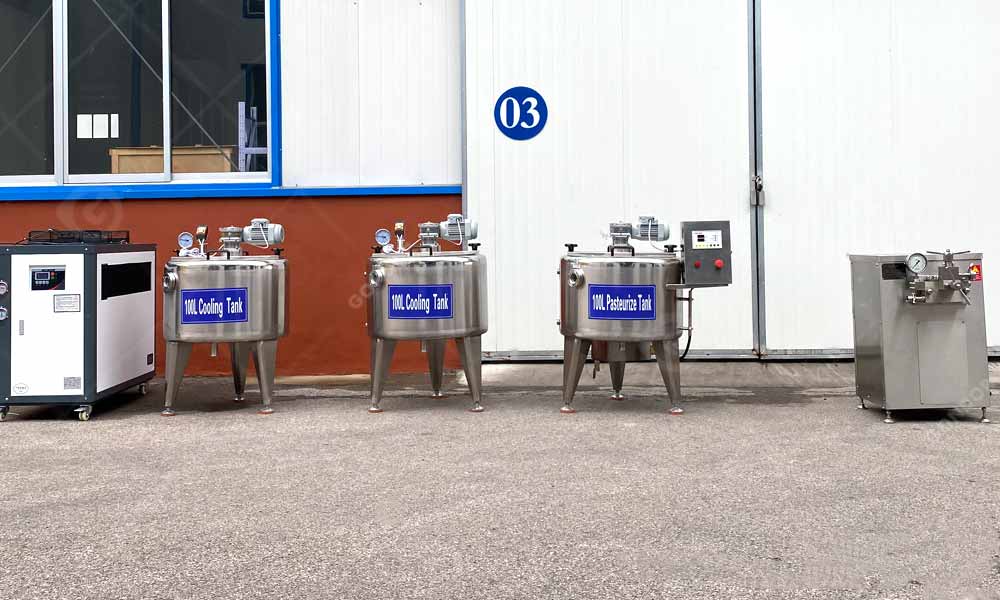
At an industrial scale, the idea stays the same—heat treatment, fermentation, cooling, filling—but consistency and food safety require controlled equipment, temperature curves, hygienic design, and reliable packaging.
If you’re producing yogurt commercially, a dedicated yogurt production line helps standardize:
- Pasteurization/Heat Treatment
- Culture Dosing
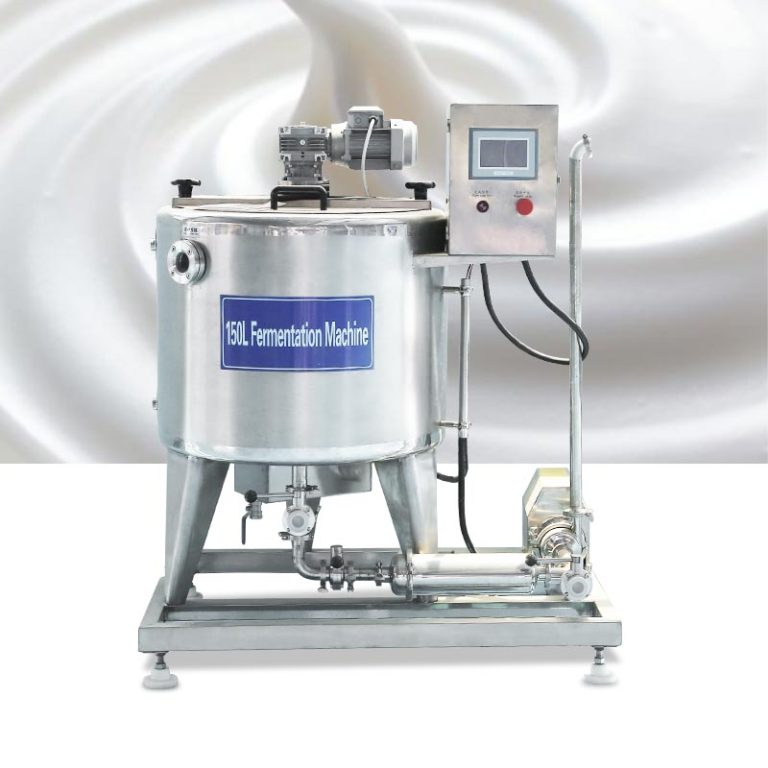
- Fermentation Tanks/Incubation Control
- Cooling + Filling + Sealing